
Compliance Guide: Fire Alarm System Suppliers in Saudi Arabia for High-Rise Buildings
February 23, 2026
Buyer’s Guide: Aerosol Smoke Test Spray for Fire Alarms in KSA
February 24, 2026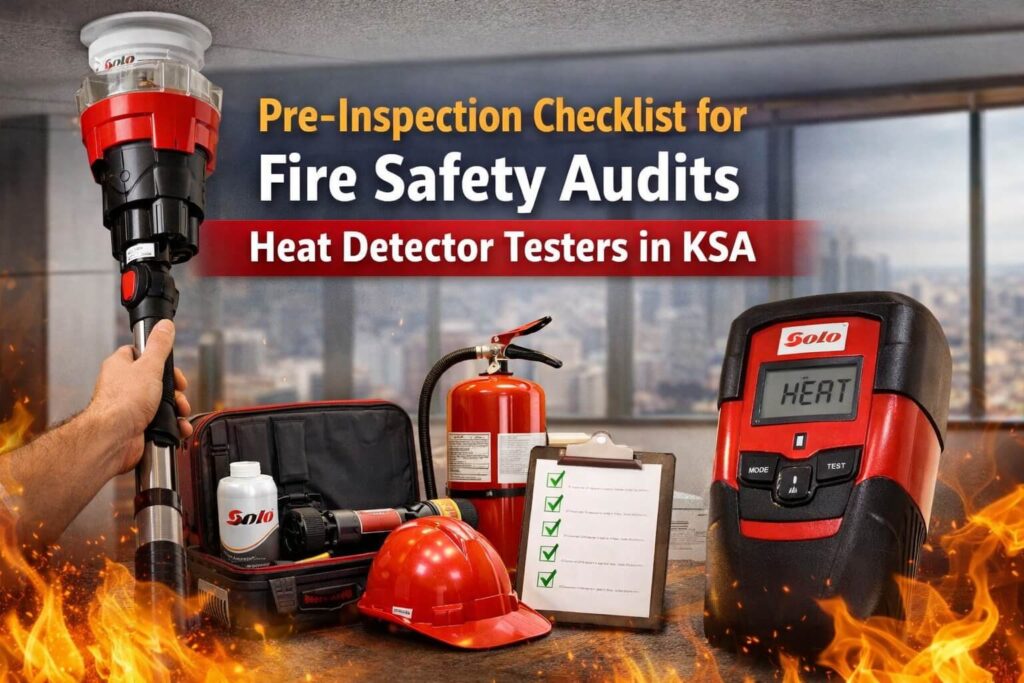
Fire safety audits in Saudi Arabia are a critical requirement for commercial buildings, industrial facilities, hospitals, malls, and high-rise properties. Before any official inspection, ensuring your fire detection systems are tested and compliant can prevent penalties, delays, and safety risks. A well-structured pre-inspection checklist helps facility managers and safety officers prepare their systems and documentation in advance.
Using reliable Heat Detector Testers in KSA allows teams to verify detector responsiveness, alarm triggers, and system integration before auditors arrive. Professional Heat Detector Testers are essential tools for maintaining compliance with local fire safety regulations, especially when regular maintenance and testing are mandatory. This guide provides a step-by-step pre-inspection checklist, best practices for using testing tools, common mistakes to avoid, and documentation tips to help you pass fire safety audits smoothly.
Why Pre-Inspection Fire Safety Audits Matter in KSA
Fire safety inspections in KSA ensure that fire detection and alarm systems:
- Detect heat and smoke early
- Trigger alarms correctly
- Activate emergency response systems
- Comply with local civil defense and safety standards
Failing inspections can result in:
- Fines
- Business disruptions
- Project delays
- Increased liability risks
Regular pre-inspection testing using Heat Detector Testers in KSA helps identify issues before auditors do, allowing corrective action in advance.
Essential Tools for Pre-Inspection Testing
A complete fire safety audit toolkit should include:
- Heat detector testers
- Smoke and heat detector testing kit
- Solo heat detector testing devices
- Ladder or access equipment
- Logbook or digital inspection records
- Battery tester and spares
- Cleaning tools for detectors
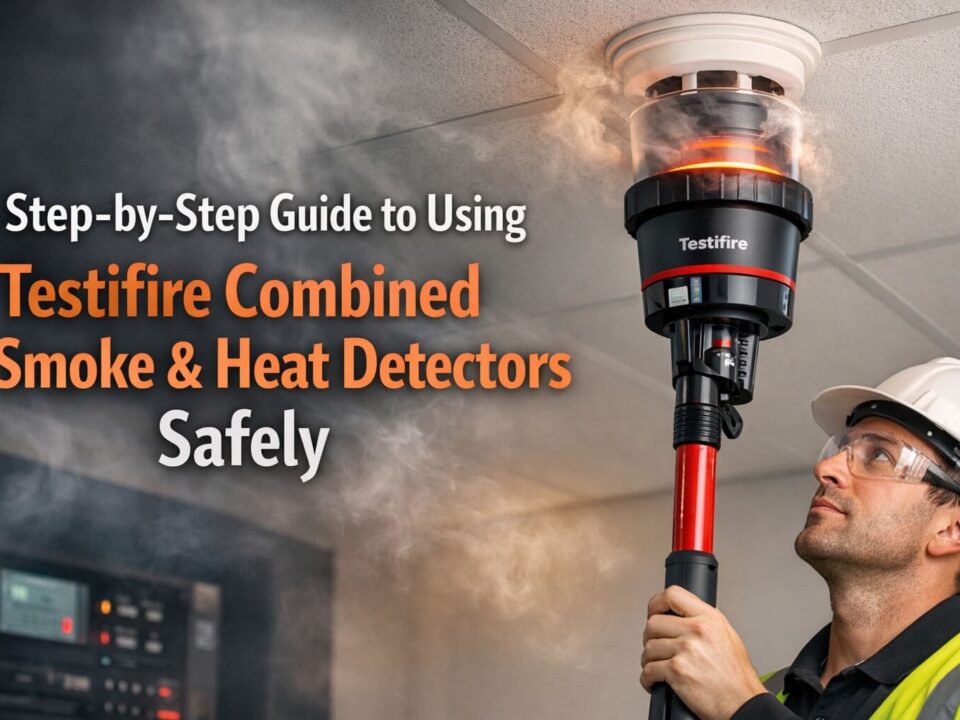
Specialized tools like a solo heat detector tester in KSA allow safe, pole-mounted testing of ceiling-mounted detectors without damaging sensors or triggering false alarms.
Step-by-Step Pre-Inspection Checklist for Heat Detector Testing
1. Review Fire Safety Documentation
Before testing begins:
- Verify system drawings
- Review detector locations
- Confirm last inspection dates
- Check maintenance logs
This ensures your audit preparation is structured and traceable.
2. Inspect Physical Condition of Detectors
Look for:
✔ Dust or dirt buildup
✔ Paint contamination
✔ Loose mounting
✔ Obstructions
Dirty detectors can cause false alarms or delayed activation.
3. Test Heat Detector Activation
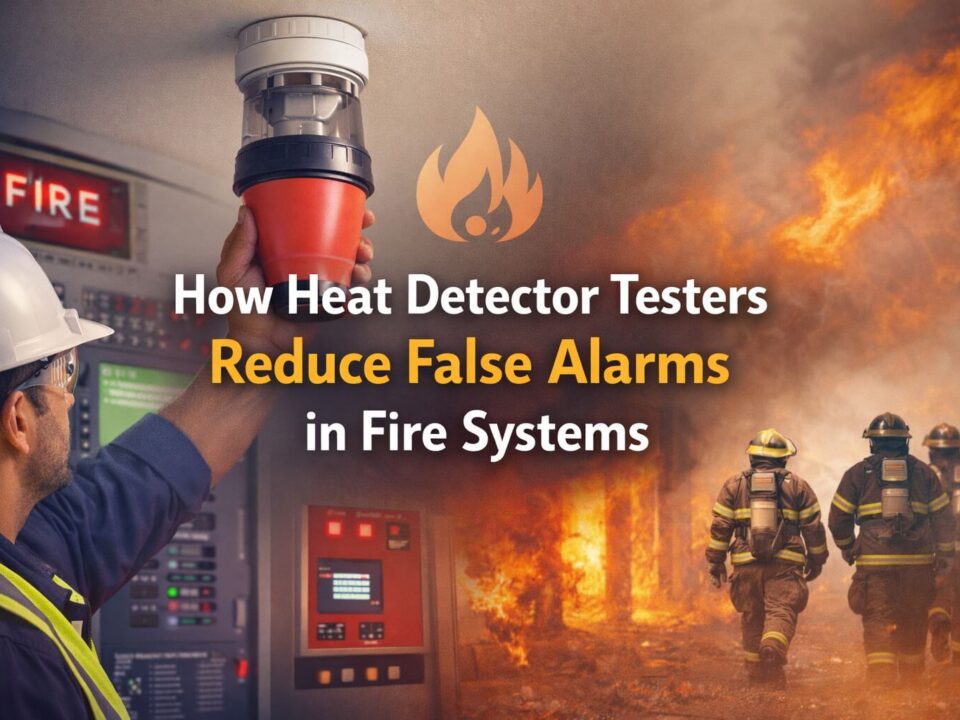
Use certified Heat Detector Testers to:
- Simulate heat exposure
- Confirm alarm activation
- Verify panel response
Avoid using open flames or unsafe methods that could damage detectors.
4. Verify Alarm Panel Response
Ensure:
✔ Detectors report correct zone
✔ Alarms trigger audible alerts
✔ System resets properly after testing
Testing should include integration with sirens and control panels.
5. Test Combined Detection Units
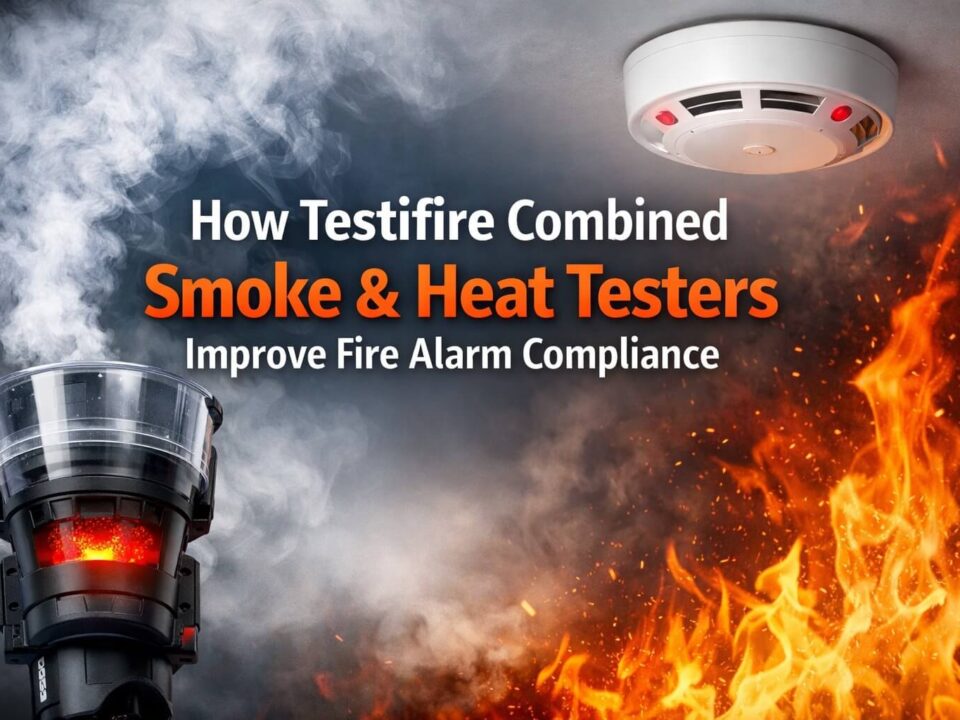
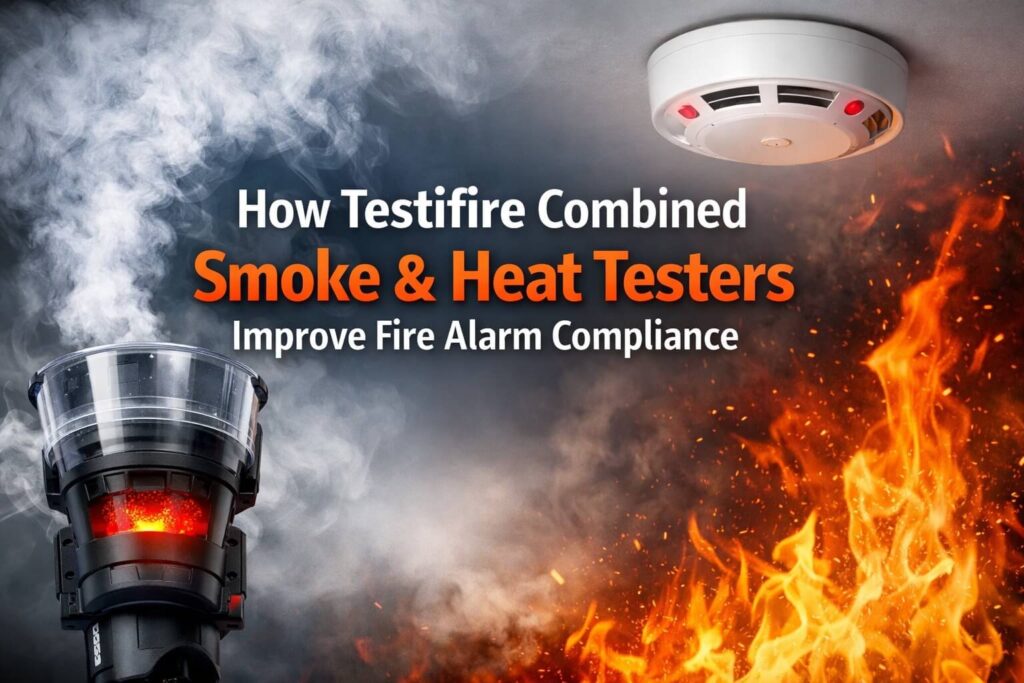
For buildings with combination detectors, use a smoke and heat detector testing kit to verify that both sensing elements work correctly. This is crucial for multi-risk environments such as warehouses and kitchens.
6. Test High-Ceiling and Hard-to-Reach Detectors
High-rise facilities require safe testing methods. A solo heat detector tester in KSA helps reach ceiling-mounted units without scaffolding, reducing downtime and risk during audits.
7. Check Battery Backup & Power Supply
Confirm:
✔ Backup batteries are functional
✔ No low-battery alerts
✔ Power changeover works correctly
Power failure testing is often part of audit checks.
8. Reset & Re-Test Random Units
Auditors often perform spot checks. Randomly re-test detectors to confirm system reliability and repeatability.
9. Record Test Results
Maintain:
- Date & time of testing
- Tested detector ID
- Tester used
- Result (pass/fail)
- Corrective actions
Proper documentation strengthens compliance evidence.
10. Fix Issues Before Inspection
If any detector fails:
✔ Clean or replace the sensor
✔ Re-test after maintenance
✔ Update records
Never leave unresolved issues before audit day.
Common Pre-Inspection Mistakes to Avoid
- Skipping documentation updates
- Using non-certified testers
- Testing only a few detectors
- Ignoring power backup systems
- Failing to reset alarms after tests
These mistakes often lead to inspection failures.
Best Practices for Accurate Heat Detector Testing
- Schedule testing during low-occupancy hours
- Use certified testing tools only
- Follow manufacturer testing guidelines
- Train maintenance staff
- Maintain testing equipment regularly
- Keep spare consumables available
High-quality testers, such as a solo 461 heat detector tester in KSA, ensure controlled heat application without damaging detectors.
Preparing for Official Fire Safety Audits
Before auditors arrive:
✔ All detectors tested
✔ Logs updated
✔ Faults resolved
✔ Panels checked
✔ Maintenance team briefed
✔ Testing tools available
Facilities that prepare early reduce stress and avoid last-minute fixes.
Who Should Use This Pre-Inspection Checklist?
- Facility managers
- Fire safety officers
- Maintenance contractors
- Property developers
- Compliance managers
- Industrial safety teams
Organizations working with Novus Fire and Security LLC often adopt structured pre-inspection routines to maintain continuous audit readiness. Their technical teams emphasize preventive testing using certified equipment for audit success.
Ongoing Maintenance After Inspection
Passing an audit is not the end. Schedule:
- Monthly visual checks
- Quarterly functional tests
- Annual full system audits
This long-term approach helps maintain compliance and safety standards consistently. Many organizations rely on Novus Fire and Security LLC for post-audit maintenance planning and compliance support.
FAQs
Q1. What are the best Heat Detector Testers in KSA for audits?
Certified testers designed for controlled heat simulation and compliance testing are best for audit preparation.
Q2. How often should Heat Detector Testers be used before inspections?
Functional testing is recommended quarterly and before every official audit.
Q3. Is a solo heat detector tester in KSA safe for ceiling-mounted units?
Yes, it allows safe, controlled testing without physical contact.
Q4. Why use a smoke and heat detector testing kit?
It ensures both smoke and heat sensors are functioning properly in multi-sensor detectors.
Q5. Is the Solo 461 heat detector tester in KSA suitable for high-rise buildings?
Yes, it’s designed for high ceilings and controlled activation without damage.