
Fire Alarm Testing for New vs Old Buildings in Saudi Arabia
January 21, 2026
Step-by-Step Guide to Fire Hose Testing Using Hose Monster in UAE
January 22, 2026
False fire alarms are more than just an inconvenience; they disrupt operations, reduce trust in safety systems, and can lead to costly penalties. In high-risk and compliance-driven environments like Saudi Arabia, minimizing false alarms is critical. This is where heat detector testers play a vital role.
Proper testing ensures fire alarm systems respond only to genuine fire conditions, not environmental noise or technical faults. This in-depth guide explains how heat detector testers reduce false alarms, why professional testing matters, and how businesses can stay compliant while improving fire safety reliability.
Understanding False Alarms in Fire Detection Systems
False alarms occur when fire detection devices activate without an actual fire. Common causes include:
- Dust, steam, or humidity triggering sensors
- Electrical interference or wiring issues
- Poor detector placement
- Aging or unmaintained fire alarm components
- Incorrect sensitivity settings
Repeated false alarms can desensitize occupants, delay emergency responses, and violate safety regulations.
What Are Heat Detector Testers?
Heat detector testers are specialized tools designed to simulate controlled heat conditions to verify the accurate response of heat detectors. Unlike smoke testing, heat testing ensures detectors activate only at predefined temperature thresholds or rate-of-rise conditions.
Professional testers allow technicians to:
- Confirm the correct activation temperature
- Identify faulty or overly sensitive detectors
- Test detectors without damaging components
- Maintain compliance with fire safety standards
How Heat Detector Testers Reduce False Alarms
1. Accurate Temperature Simulation
Heat detector testers generate precise, controlled heat that matches real fire conditions. This eliminates guesswork and ensures detectors respond only when required, reducing nuisance alarms caused by environmental factors.
2. Verification of Detector Sensitivity
Overly sensitive detectors are a leading cause of false alarms. Regular testing helps recalibrate or replace detectors that trigger below their rated temperature.
3. Detection of Hidden Faults
Testing reveals internal sensor degradation, delayed response, or inconsistent activation issues that often cause random false alarms if left unaddressed.
4. Validation of Correct Detector Type
Different environments require different heat detector types (fixed temperature or rate-of-rise). Testing confirms the installed detector is suitable for its location.
5. Reduced Human Error During Maintenance
Using professional testing equipment standardizes the testing process, reducing errors caused by unsafe methods like heat guns or open flames.
Role of Professional Heat Detector Testing
Businesses that rely on heat detector testing services in Saudi Arabia benefit from expert inspections, detailed reporting, and compliance-ready documentation. Certified technicians follow approved procedures to ensure every detector performs reliably under real fire conditions.
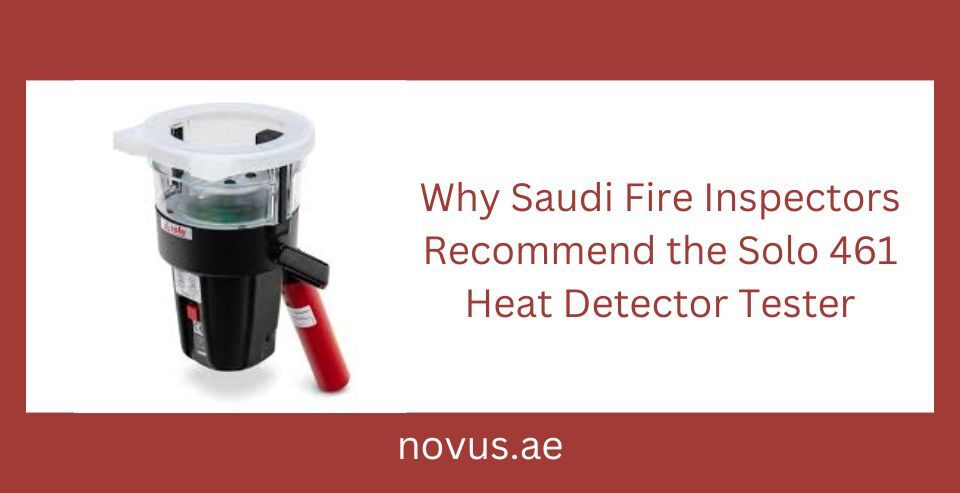
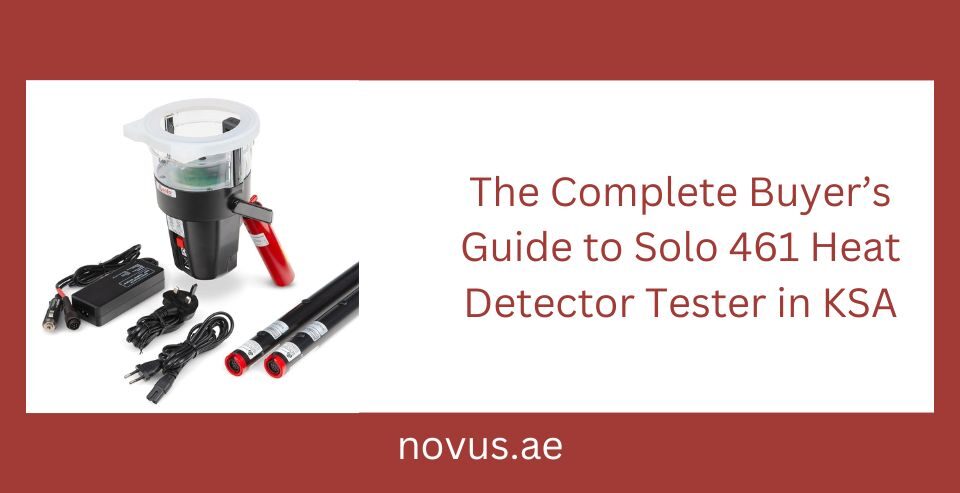
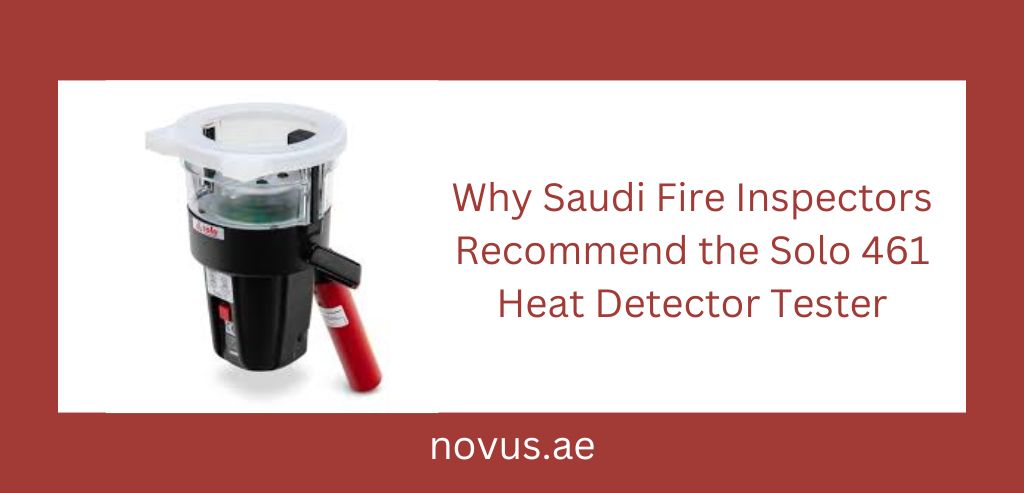
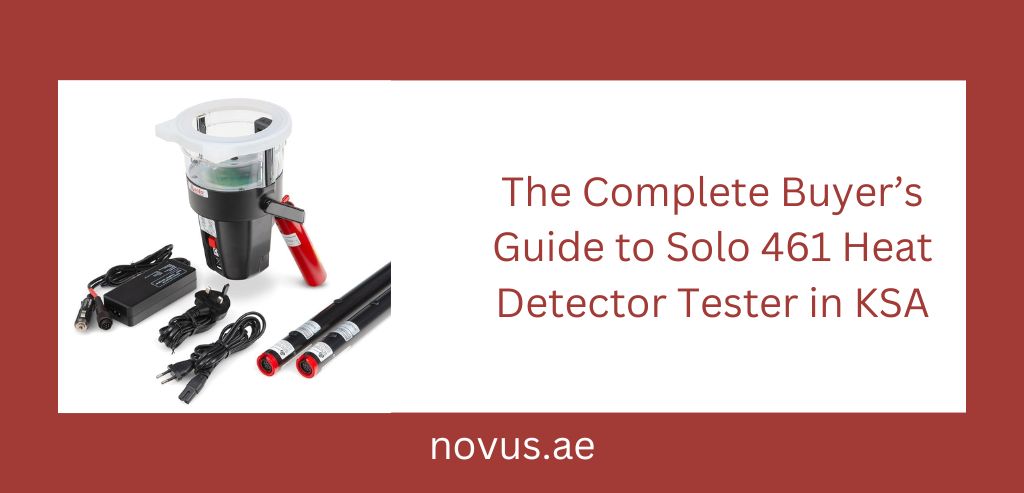
Using industry-recognized tools such as the Solo 461 heat detector tester ensures consistent results and minimizes the risk of accidental false activations during testing.
Importance of Compliance in KSA
Regulatory authorities in KSA place strong emphasis on fire system reliability. Excessive false alarms can result in:
- Fines and warnings
- Mandatory system audits
- Business interruption
- Loss of insurance coverage
Routine testing using approved heat detector testing equipment in KSA ensures compliance while improving overall system credibility.
Book Annual Heat Detector Testing for Your Facility
Benefits of Regular Heat Detector Testing
- Fewer false alarms and emergency disruptions
- Increased occupant confidence in fire systems
- Extended lifespan of detectors
- Improved audit and inspection outcomes
- Enhanced operational continuity
Partnering with a certified heat detector tester company in KSA ensures testing is performed correctly, safely, and in line with regulations.
Choosing the Right Testing Partner
When selecting a provider for heat detector testing in KSA, ensure they:
- Use approved testing equipment
- Employ trained and certified technicians
- Provide clear compliance reports
- Understand local regulatory requirements
Companies like Novus deliver professional testing solutions designed to reduce false alarms while maintaining strict compliance standards.
Conclusion
False alarms weaken fire safety systems and disrupt business operations. Regular testing with professional fire heat detector testers in Saudi Arabia ensures detectors function accurately, reliably, and only when truly needed. Investing in certified testing is not just about compliance; it’s about safety, trust, and operational efficiency. With expert support from Novus, businesses can significantly reduce false alarms and maintain dependable fire detection systems.
FAQs – Heat Detector Testers & False Alarms
1. Why do heat detectors cause false alarms?
False alarms often occur due to incorrect sensitivity, aging sensors, or environmental factors like high ambient heat.
2. How do heat detector testers prevent nuisance alarms?
They verify that detectors activate only at correct temperatures, preventing premature or accidental activation.
3. How often should heat detectors be tested?
Most regulations recommend annual testing, with higher-risk environments requiring more frequent checks.
4. Can improper testing cause false alarms?
Yes. Unsafe methods like open flames or heat guns can damage detectors and increase false alarm risk.
5. Are professional testing services mandatory in KSA?
Yes, certified testing is strongly recommended to meet safety and compliance requirements.