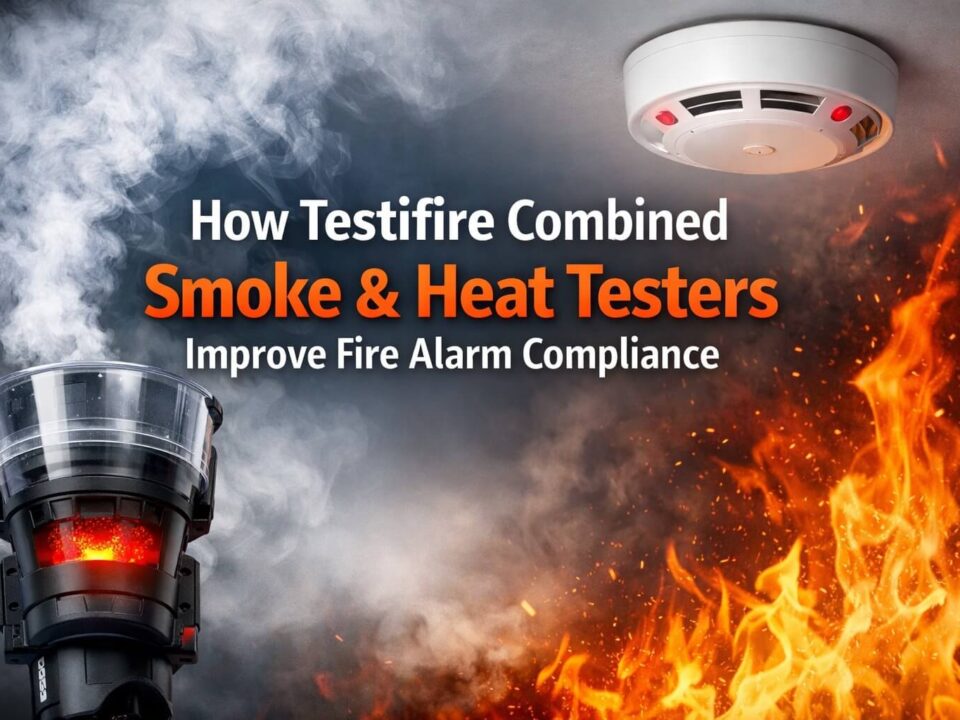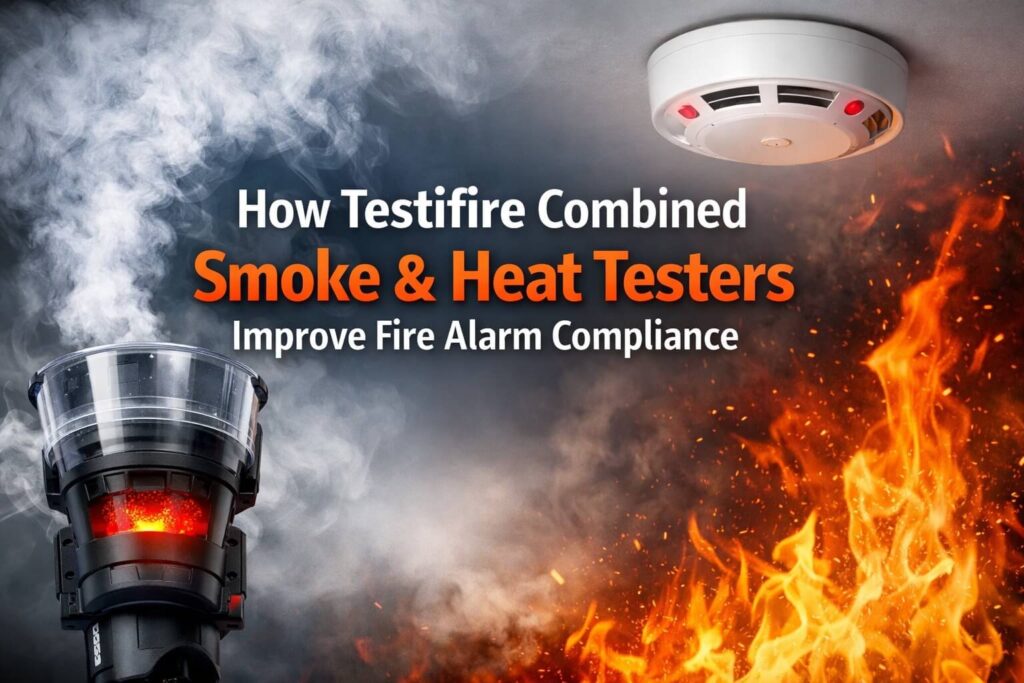
How Testifire Combined Smoke & Heat Testers Improve Fire Alarm Compliance
December 30, 2025
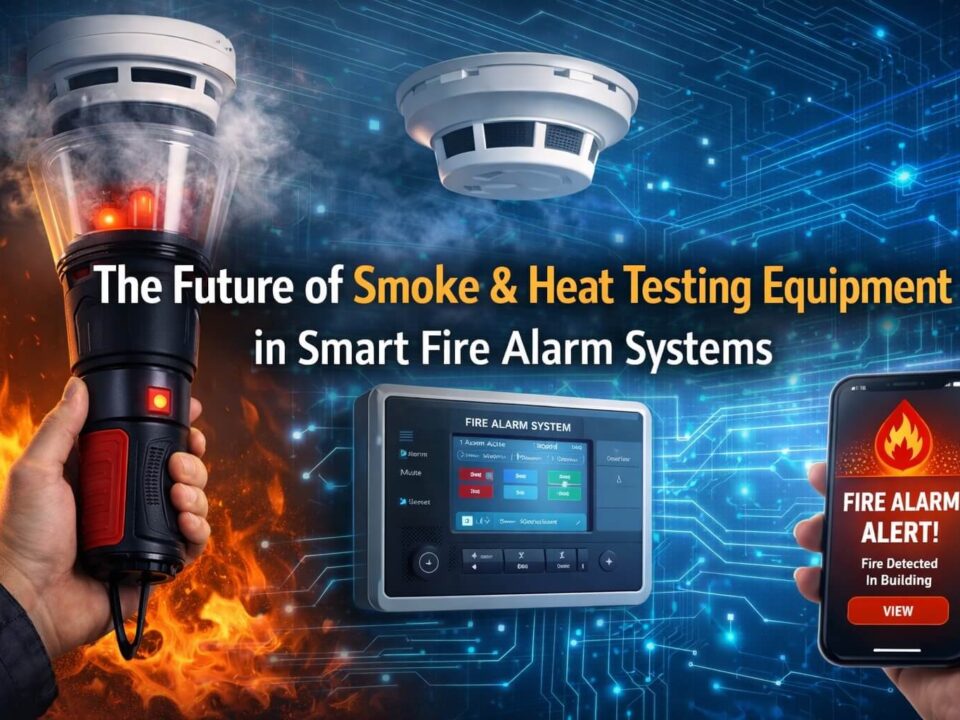
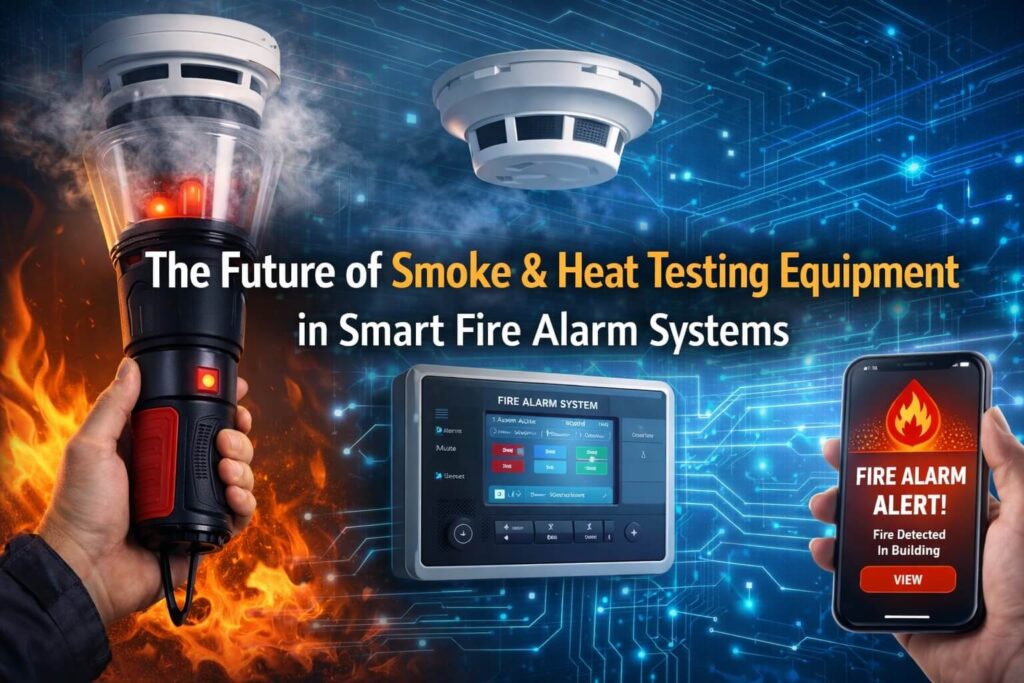
The Future of Smoke & Heat Testing Equipment in Smart Fire Alarm Systems
January 9, 2026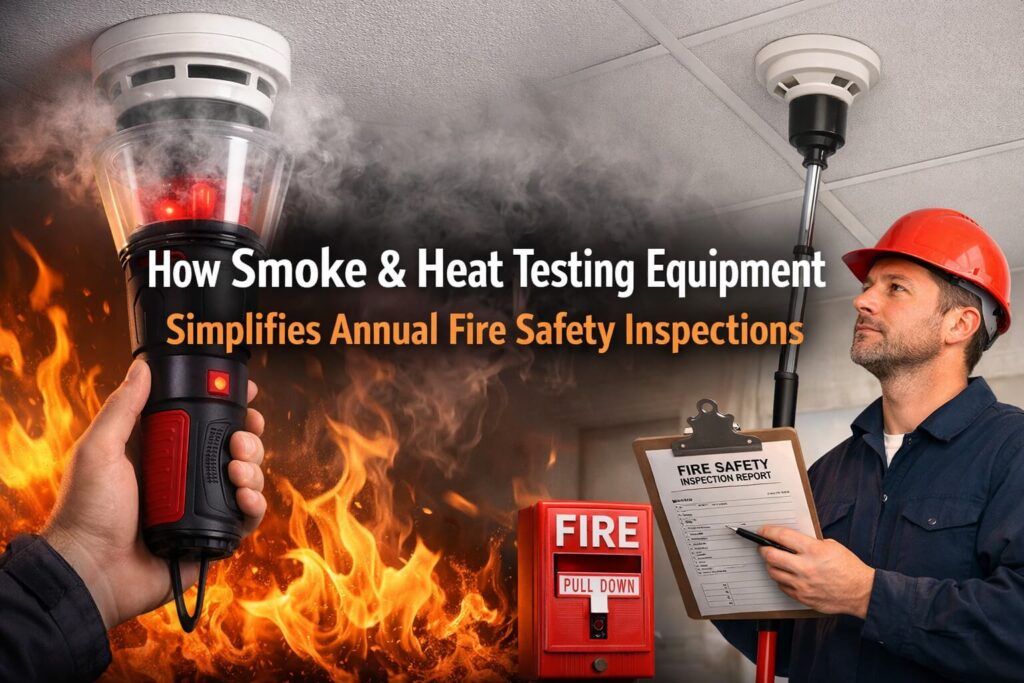
Annual fire safety inspections are a mandatory requirement for most commercial, industrial, and residential buildings. These inspections verify that fire detection systems are operational, compliant with regulations, and capable of responding effectively during emergencies. However, inspections can quickly become time-consuming and complex without the right tools.
This is where Smoke & Heat Testing Equipment plays a crucial role in simplifying the inspection process while improving accuracy and compliance. Modern buildings rely on a combination of smoke detectors, heat detectors, and multi-sensor alarms. Testing each device correctly during annual inspections requires professional-grade equipment designed to simulate real fire conditions safely and consistently.
Why Annual Fire Safety Inspections Matter
Annual fire safety inspections are designed to ensure that all fire detection devices operate as intended. Regulatory authorities and insurers often require documented proof of testing to confirm compliance.
Failure to perform proper inspections can lead to:
- Non-compliance notices and penalties
- Increased fire risk
- Invalid insurance coverage
- Delays during audits
Using reliable Smoke Detector Testing Equipment ensures that detectors respond correctly and that inspection results are accurate and defensible.
Challenges of Traditional Fire Alarm Inspection Methods
In the past, inspectors relied on basic tools or improvised methods that tested only one sensor type at a time. While tools like a Solo 461 heat detector tester are useful for specific applications, they may not be sufficient for buildings using multi-sensor or integrated fire alarm systems.
Common challenges include:
- Testing smoke and heat detectors separately
- Inconsistent test results
- Longer inspection times
- Difficulty documenting results
These challenges often complicate annual inspections and increase operational downtime.
Understanding Modern Smoke & Heat Testing Equipment
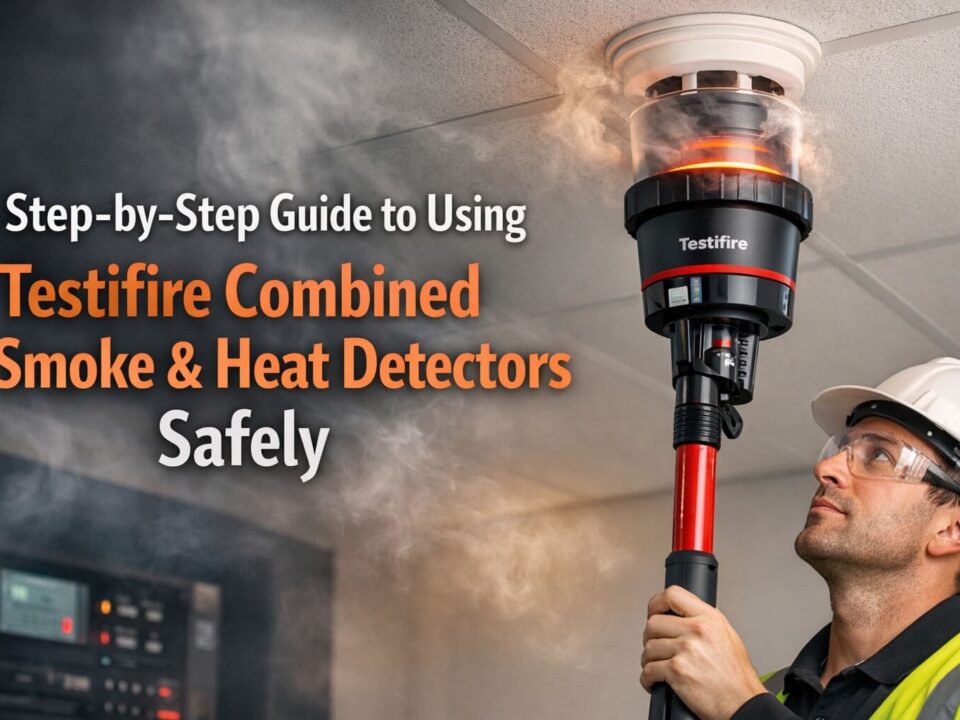
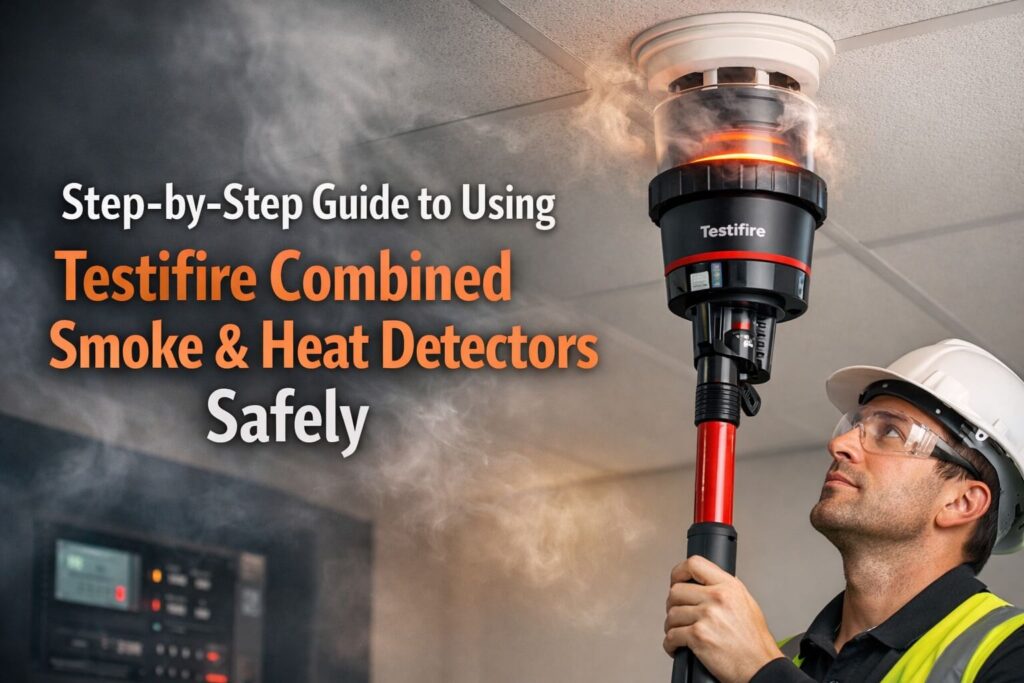
Modern Smoke & Heat Testing Equipment is designed to streamline annual inspections by combining multiple testing functions into one system. These tools safely generate controlled smoke and heat to activate detectors under realistic conditions.
Advanced systems, often referred to as a Smoke and Heat Alarm Testing System, allow inspectors to:
- Test smoke and heat sensors independently
- Verify multi-sensor detector functionality
- Reduce testing time
- Eliminate residue and contamination
This approach significantly simplifies inspections while maintaining regulatory compliance.
How Smoke & Heat Testing Equipment Simplifies Inspections
Faster Inspection Cycles
Traditional inspection methods require multiple tools and repeated setup. Using integrated Heat Detector Testing Equipment and smoke testing tools in one system reduces the time needed to test each detector.
Accurate Sensor Activation
Annual inspections must confirm that detectors respond correctly to realistic stimuli. Professional Heat Detector Testers apply controlled heat levels, ensuring detectors activate within compliant thresholds.
Reduced Disruption
Quick, residue-free testing minimizes disruption in occupied buildings such as offices, hospitals, and data centers. Inspections can be completed without triggering unnecessary evacuations or system contamination.
Simplified Documentation
Consistent and repeatable testing makes it easier to document results. Clear records help demonstrate compliance during audits and inspections.
Smoke vs Heat Detector Testing: Why Both Matter
Smoke detectors and heat detectors serve different purposes, and both must be tested during annual inspections.
- Smoke Detector Testing Equipment confirms sensitivity to combustion particles
- Heat Detector Testers verify temperature-based activation
- Combined systems ensure full coverage
Relying on only one testing method may leave gaps in compliance, especially in environments that use both detector types.
The Role of Heat Detector Testers in Annual Inspections
Heat detectors are commonly installed in kitchens, parking garages, and industrial areas. Tools like the Solo 461 heat detector tester have long been used to test fixed-temperature and rate-of-rise detectors.
However, when used alongside modern Heat Detector Testing Equipment, inspectors can:
- Apply controlled, repeatable heat
- Avoid damaging detectors
- Complete tests faster and safer
This combination improves inspection efficiency while maintaining accuracy.
Compliance Benefits of Using Professional Testing Equipment
Annual fire safety inspections often align with local and international standards that require:
- Functional testing
- Visual inspections
- Accurate recordkeeping
Using professional testing tools ensures inspections meet these requirements consistently. Fire safety teams working with Novus Fire and Security LLC emphasize the importance of advanced testing systems to maintain audit-ready compliance across commercial facilities.
Best Practices for Annual Fire Safety Inspections
To simplify inspections and improve outcomes:
- Use integrated smoke and heat testing tools
- Test all detectors annually, regardless of type
- Maintain detailed inspection logs
- Replace or clean detectors that fail testing
Combining proper procedures with reliable Smoke & Heat Testing Equipment ensures inspections remain efficient and compliant.
FAQs – Smoke & Heat Testing Equipment
How often should smoke and heat detectors be tested?
Most fire safety standards require detectors to be functionally tested at least once a year, with visual inspections performed more frequently.
Can smoke and heat detectors be tested using the same equipment?
Yes. Modern smoke and heat alarm testing systems are designed to test both sensor types accurately during a single inspection.
Are heat detector testers safe for sensitive environments?
Yes. Professional heat detector testing equipment applies controlled heat levels, making it safe for use in commercial and sensitive environments.
Does professional testing equipment reduce inspection time?
Yes. Integrated testing tools significantly reduce setup and testing time, helping inspectors complete annual inspections more efficiently.