
The Future of Smoke & Heat Testing Equipment in Smart Fire Alarm Systems
January 9, 2026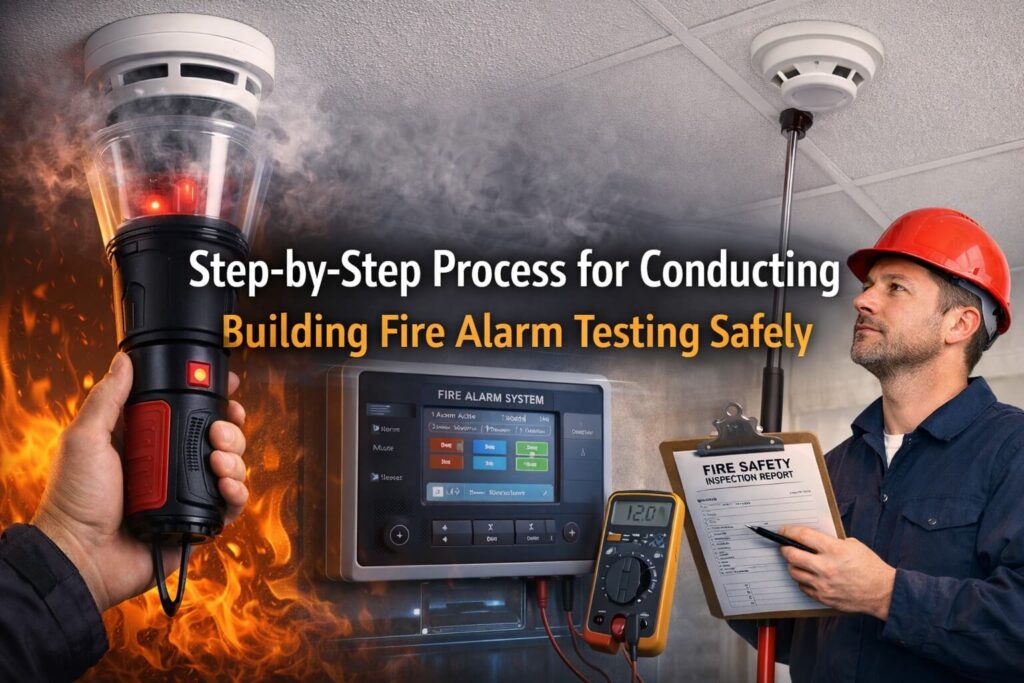
Building fire alarm testing is a critical part of ensuring occupant safety, regulatory compliance, and system reliability. A properly tested fire alarm system helps detect fires early, trigger timely alerts, and reduce risks to life and property. However, testing must be carried out in a structured and safe manner to avoid false alarms, system damage, or non-compliance issues.
This guide explains the step-by-step process for conducting building fire alarm testing safely, helping facility managers, safety officers, and maintenance teams perform inspections confidently and effectively.
Why Building Fire Alarm Testing Is Essential
Every building fire alarm system must operate flawlessly during emergencies. Regular testing verifies that detectors, sounders, control panels, and communication links function as intended.
Proper building fire alarm inspection helps the following:
- Identify faults before emergencies
- Meet legal and insurance requirements
- Reduce false alarms
- Maintain system performance over time
Routine Fire Alarm Maintenance and Testing also support long-term reliability and extend the system lifespan.
Step 1: Review System Documentation and Testing Requirements
Before starting any test, review the building’s fire alarm documentation. This includes system drawings, detector locations, control panel details, and previous inspection reports.
Understand the scope of the Fire Alarm Inspection for Buildings, including:
- Detectors to be tested
- Testing frequency
- Applicable fire safety standards
This preparation ensures testing aligns with compliance expectations.
Step 2: Notify Occupants and Monitoring Authorities
Testing a live alarm system without notification can cause panic or unnecessary emergency responses. Always inform:
- Building occupants
- Security teams
- Monitoring centers
Clear communication is a key part of a safe Fire Safety Inspection for Buildings and prevents disruption during testing.
Step 3: Visually Inspect Fire Alarm Components
Before functional testing, perform a visual inspection of all accessible components. Check for:
- Physical damage
- Obstructions near detectors
- Loose wiring or indicators
- Control panel fault messages
This step is an essential part of building fire alarm inspection and helps identify obvious issues early.
Step 4: Test Fire Alarm Control Panels
Begin functional testing at the control panel. Verify:
- Power supply status
- Backup battery operation
- Indicator lights and display messages
Testing the panel ensures the building fire alarm system can receive and process signals correctly.
Step 5: Conduct Detector Testing Safely
Detector testing is the most critical stage of Building Fire Alarm Testing. Each detector must be tested using approved methods and tools to simulate real fire conditions.
Key points to follow:
- Use appropriate testing equipment for smoke and heat detectors.
- Avoid open flames or unsafe heat sources.
- Test detectors individually and record responses
Professional Fire Alarm Testing Services use controlled testing tools to ensure accuracy without damaging detectors.
Step 6: Test Manual Call Points and Alarm Devices
Manual call points, sounders, and visual alarms must also be tested to ensure occupants receive clear alerts.
Verify:
- Call point activation
- Audible alarm levels
- Visual alarm visibility
These checks confirm that the alarm system communicates effectively throughout the building.
Step 7: Verify System Communication and Monitoring
Ensure alarm signals reach:
- Central monitoring stations
- Building management systems
- Emergency notification systems
This step ensures the Fire Alarm Inspection for Buildings covers both local and remote alerting functions. Fire safety professionals working with Novus Fire and Security LLC emphasize the importance of verifying communication links during every inspection.
Step 8: Reset the System and Restore Normal Operation
After testing, reset the fire alarm system and confirm it returns to normal operating mode. Ensure:
- No fault indicators remain
- Detectors are clear and correct
- Monitoring systems are re-enabled.
Restoring normal operation is a crucial safety step often overlooked during testing.
Step 9: Document Test Results Thoroughly
Accurate documentation is essential for compliance. Record:
- Date and time of testing
- Devices tested
- Results and corrective actions
Detailed records support audits, insurance reviews, and future Fire Alarm Maintenance and Testing activities.
Step 10: Address Faults and Schedule Follow-Ups
If any issues are identified, schedule repairs or replacements promptly. Follow-up inspections ensure the building fire alarm system remains compliant and reliable.
Common Safety Mistakes to Avoid
- Testing without notifying occupants
- Skipping documentation
- Using unapproved testing methods
- Ignoring minor faults
Avoiding these mistakes ensures safe and compliant Building Fire Alarm Testing.
FAQs – Building Fire Alarm Testing
How often should building fire alarm systems be tested?
Most regulations require routine testing at least annually, with visual inspections and functional checks performed more frequently depending on building type.
Who should perform fire alarm testing in buildings?
Qualified technicians or professional fire alarm testing services should conduct inspections to ensure safety and compliance.
Is building fire alarm testing mandatory?
Yes. Fire safety regulations typically require regular testing and documented inspections for most commercial and residential buildings.
What is included in a fire safety inspection for buildings?
It includes visual checks, functional testing, system communication verification, and documentation of results.