How Often Should Fire Alarms Be Tested?
March 14, 2024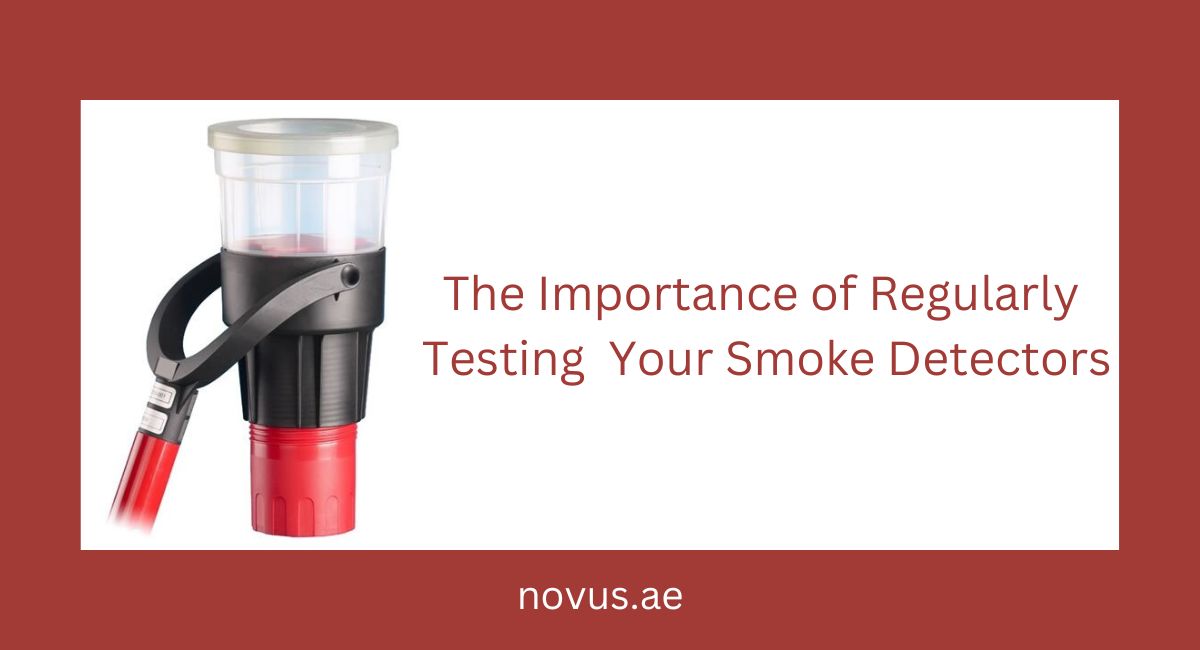
Importance of Regularly Testing Your Smoke Detectors
April 15, 2024
A functional smoke alarm system is a vital component of home security, which is of utmost importance. System of early warning Smoke alarms give homeowners early notice of fire threats, allowing them to safely evacuate. However, a smoke alarm is not enough on its own.
To ensure that it operates correctly, tests must be performed on it on a regular basis. You’ll learn the importance of smoke alarms, the many types of smoke alarms, and thorough testing protocols for your home’s smoke detectors with this simple-to-follow guide.
The Importance of Smoke Alarms
- Early detection saves lives. Smoke alarms are meant to detect smoke and warn occupants at the earliest possible time in the event of a fire. An evacuation that is timely and orderly greatly benefits from such early notice.
- Legal Requirements: Therefore, in many jurisdictions, it is illegal not to have functioning smoke alarms installed in residences. These regulations usually require regular testing and maintenance.
- Peace of Mind: It’s reassuring to know that your smoke alarms are in working order. You are, after all, the one who can protect your family and belongings from fire damage.
Types of Smoke Alarms:
- Ionization Smoke Alarms: These alarms are triggered by a flaming fire and are therefore ideal for areas where fast combustion is common, like kitchens. They ionize the air with a small amount of radioactive material, which produces an electrical current that activates the alarm.
- Photoelectric Smoke Alarms: Smoldering fires are detected by photoelectric smoke alarms, which have a light source and a sensor to detect the presence of smoke particles. Where smoldering fires are more common, in rooms like bedrooms, they are effective.
- Dual Sensor Smoke Alarms: Dual sensor smoke alarms combine ionization and photoelectric technologies, providing thorough coverage capable of deterring both flaming and smoldering fires.
Testing Smoke Alarms
To make sure your smoke alarms are in good working order, adhere to the following detailed instructions:
Read the manufacturer’s instructions: Read the manufacturer’s instructions that came with your smoke alarms first. Models may have different testing procedures and recommendations.
Choose the Right Time: Choose a time when the entire household is up and the chances of false alarms are low. Do not test the alarms during cooking or other smoke-generating activities.
Alert Others: Declare to everyone inside the house that the smoke alarms are going to be tested. The alarm, however, is very loud. It can be rather startling for young children or pets.
Test the Alarm Button: Most smoke alarms have a test button. Once the alarm sounds, hold for a short while. If the alarm isn’t going off, there can be an issue with the alarm itself or the batteries.
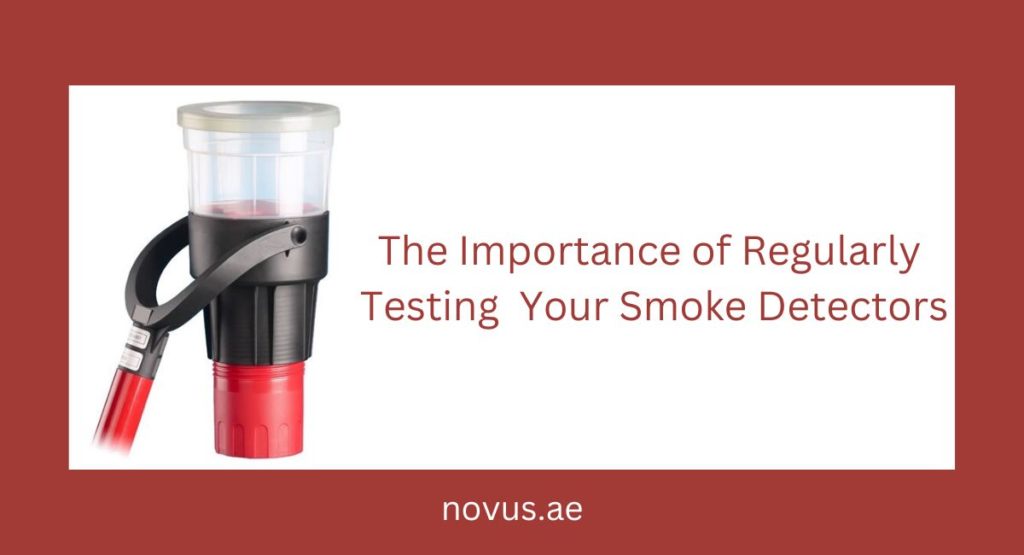
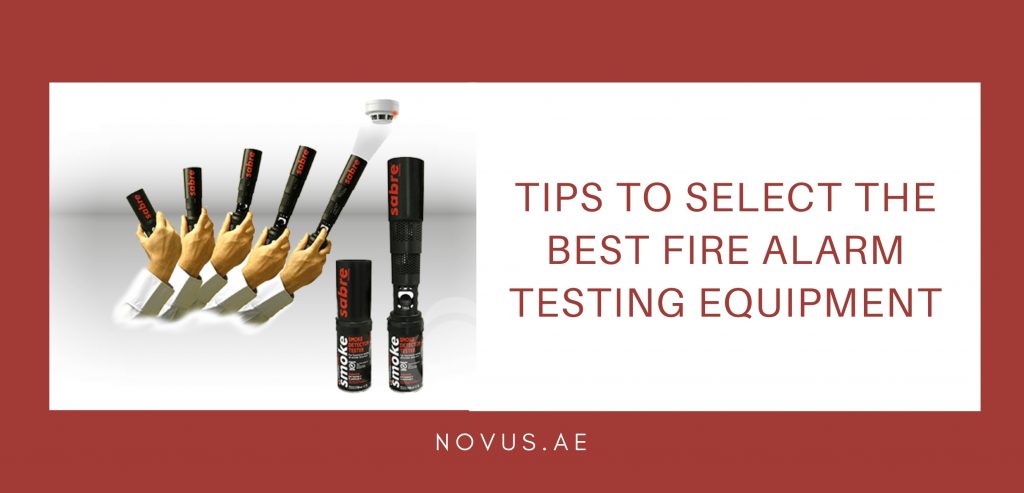
Use Smoke for Photoelectric Alarms: Smoke-causing photoelectric smoke alarms can be simulated with a smoke source generated from blowing out a candle or using a can of Smoke Detector Test Spray. Hold the smoke source close to the alarm and see whether it sets it off.
Check the Power Source: Invest in smoke alarms that are hardwired into your home’s electrical system or that operate on batteries. Replace the batteries as recommended by the manufacturer or at least once a year.
Ask your query?
Clean and maintain:
Dust and debris may build up inside the smoke alarms, so clean them regularly. As for maintenance, follow the manufacturer’s guidelines and replace the entire alarm unit if it is more than ten years old.
Interconnected Alarms:
In case your property has many interconnected smoke alarms, testing one of them ought to activate the others as well. Because of this function, all of the house’s alarms will sound if a fire is detected in one room.
The Takeaway
One easy but important step you can take to improve the safety of your house is to test your smoke alarms. Just test your smoke alarms and adhere to the manufacturer’s instructions to ensure that they can react promptly in the event of a fire. A fire can cost precious lives and property. But if you take a few minutes out to test your smoke alarms using aerosol smoke testers, then they stand a better chance of warning you in time. But remember, when it comes to fire safety, there is no middle ground.
FAQs
Q1. How do you test a smoke alarm at home step by step?
A1. Press and hold the test button until the alarm sounds. If it doesn’t, check the batteries or replace the unit. This simple step ensures your smoke alarm is functioning properly.
Q2. How often should smoke alarms be tested at home?
A2. Smoke alarms should be tested at least once a month to ensure they are working correctly and can alert you during a fire emergency.
Q3. What should you do before testing a smoke alarm?
A3. Before testing, inform everyone in the house, choose a suitable time, and avoid testing during cooking or smoke-producing activities to prevent confusion or false alarms.
Q4. Can you test a smoke alarm without using the test button?
A4. Yes, you can use smoke detector test spray or controlled smoke sources to simulate real fire conditions and check the detector’s sensor response.
Q5. What if your smoke alarm does not sound during testing?
A5. If the alarm doesn’t sound, replace the batteries first. If the issue persists, the unit may be faulty and should be replaced immediately for safety.
Q6. Do interconnected smoke alarms need special testing?
A6. Yes, when you test one alarm, all interconnected alarms should sound. If not, there may be a connection or system issue that needs fixing.
Q7. How do you test photoelectric smoke alarms properly?
A7. Photoelectric alarms can be tested using smoke simulation, such as aerosol sprays, to ensure they detect real smoke particles effectively.
Q8. Why is regular smoke alarm testing important for home safety?
A8. Regular testing ensures early fire detection, giving you enough time to evacuate and reduce the risk of serious damage or injury.
Q9. How do you maintain smoke alarms after testing?
A9. Clean the alarm regularly to remove dust and debris, replace batteries annually, and follow manufacturer guidelines to keep it in optimal condition.
Q10. When should you replace your home smoke alarm?
A10. Smoke alarms should typically be replaced every 10 years or sooner if they fail testing or show signs of malfunction.