Heat Detector Testing Requirements and Fire Safety Standards in Qatar
June 23, 2026
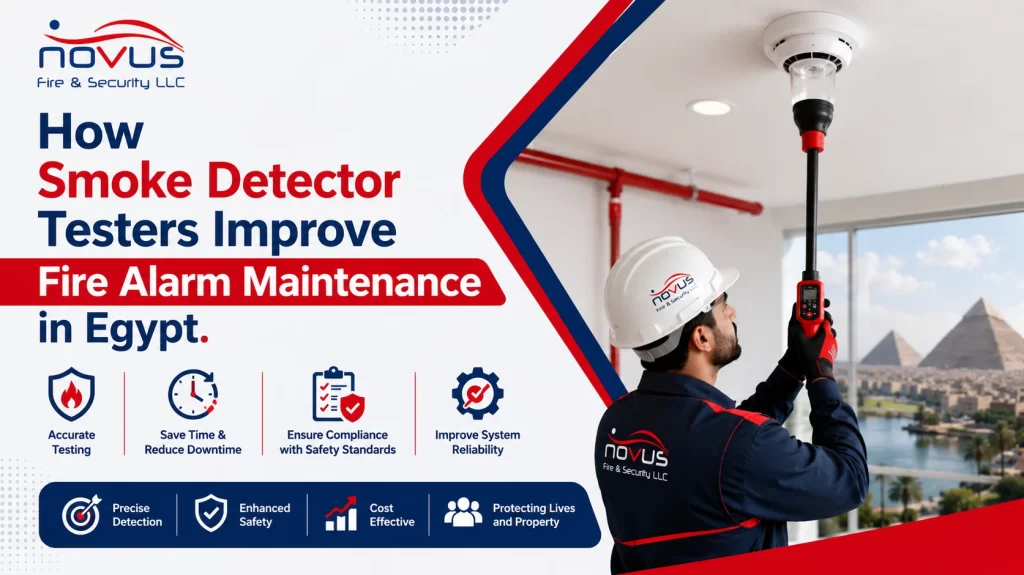
How Smoke Detector Testers Improve Fire Alarm Maintenance in Egypt
July 8, 2026
Fire detection systems are among the most important safety investments for commercial buildings, industrial facilities, hospitals, hotels, educational institutions, and residential properties. However, installing a smoke heat detector is only the first step. Without regular inspections and maintenance, these devices may fail when they are needed the most.
Businesses across Egypt increasingly recognize the importance of smoke detector maintenance, heat detector inspection, and routine fire alarm maintenance to comply with local fire safety regulations and protect lives and assets. Whether your building uses conventional or addressable systems, every detector has a limited lifespan and should be tested regularly. This guide explains the top warning signs that indicate your smoke or heat detectors require professional inspection or replacement.
When Should Smoke or Heat Detectors Be Inspected or Replaced?
If your detectors show any of the following signs, they should be inspected immediately:
- Frequent false alarms
- No response during routine testing
- Physical damage or pollution
- Detectors older than the manufacturer’s recommended lifespan
- Flashing fault indicators
- Dust accumulation affecting sensor performance
- Repeated maintenance issues
Routine inspections and professional testing help ensure reliable fire detection, reduce false alarms, and maintain compliance with fire safety requirements.
Why Regular Smoke Detector Maintenance in Egypt Is Essential
Fire detection equipment operates continuously, often for years without noticeable issues. Over time, dust, humidity, temperature fluctuations, aging electronics, and environmental contaminants reduce sensor accuracy. Regular smoke detector maintenance programs in Egypt help ensure every detector responds correctly during an emergency.
Likewise, scheduled heat detector inspection services in Egypt identify worn or faulty devices before they compromise the entire fire alarm system. Professional fire alarm maintenance not only extends equipment life but also minimizes unexpected failures and costly emergency repairs.
Top 7 Signs Your Smoke or Heat Detectors Need Inspection or Replacement
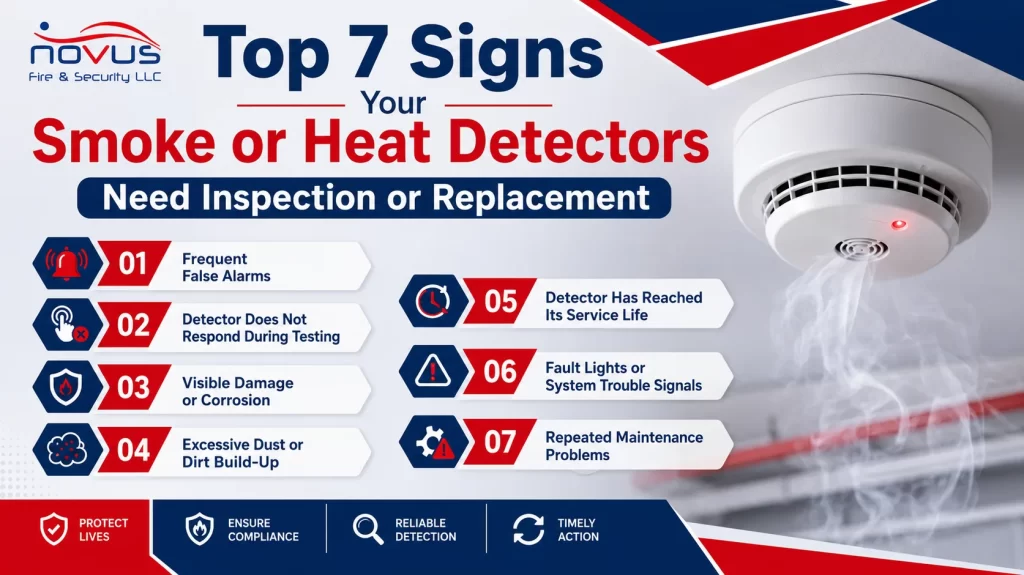
1. Frequent False Alarms
One of the earliest indicators of detector problems is repeated false alarms.
Common causes include:
- Dirty sensors
- Aging detection chambers
- Electrical faults
- Incorrect detector placement
- Environmental contamination
Ignoring recurring false alarms can lead occupants to ignore genuine emergencies, increasing safety risks.
2. Detector Does Not Respond During Testing
Routine functional testing should verify that every detector activates properly.
If a detector fails during testing, it may indicate the following:
- Sensor failure
- Internal electronic damage
- Wiring issues
- Detector aging
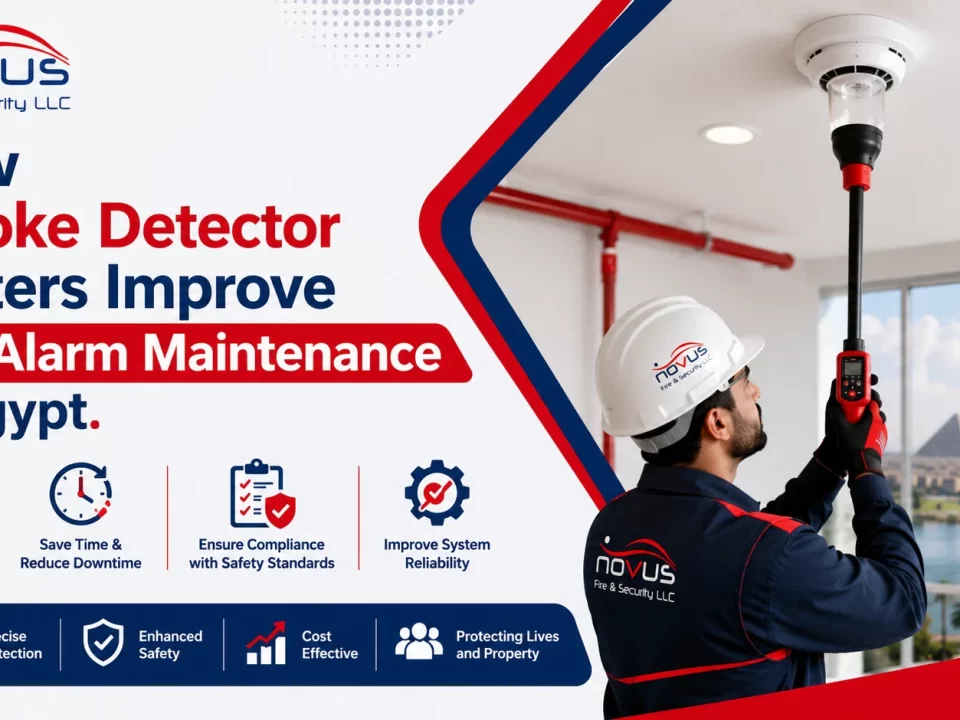
Professional technicians often use a smoke detector tester to safely simulate smoke conditions without introducing contaminants into the detector.
3. Visible Damage or Corrosion
Environmental conditions can gradually damage detectors.
Look for:
- Cracked housings
- Broken mounting brackets
- Water damage
- Rust
- Corrosion
- Discoloration
Even minor physical damage can reduce detector sensitivity and reliability.
4. Excessive Dust or Dirt Build-Up
Dust is one of the leading causes of detector malfunction.
Dust accumulation may
- Block smoke entry
- Reduce sensor sensitivity
- Trigger nuisance alarms
- Delay emergency response
Facilities such as factories, warehouses, workshops, and construction sites require more frequent cleaning and inspection than standard office environments.
5. Detector Has Reached Its Service Life
Most manufacturers recommend replacing detectors after approximately 8–10 years, depending on the model and operating environment.
Older detectors may:
- Lose sensitivity
- Respond slowly
- Experience electronic failures
- Become incompatible with newer control panels
Replacing aging devices before failure improves overall system reliability.
6. Fault Lights or System Trouble Signals
Modern fire alarm panels continuously monitor connected detectors.
Warning indicators may include:
- Yellow LED fault lights
- Trouble messages
- Communication failures
- Detector contamination alerts
- Sensor calibration errors
These warnings should never be ignored, as they often indicate detectors requiring immediate inspection.
7. Repeated Maintenance Problems
If the same detector repeatedly fails inspections or requires frequent servicing, replacement is often the most cost-effective solution.
Repeated issues may involve:
- Intermittent faults
- Random alarms
- Sensor instability
- Wiring deterioration
- Component aging
Replacing problematic detectors helps improve the overall reliability of the fire detection system.
Why Professional Detector Testing Matters
Visual inspections alone cannot verify detector performance. Qualified technicians use specialized testing equipment to accurately evaluate detector response. One of the most widely used solutions is the Solo smoke detector tester, which delivers controlled test smoke directly to the sensing chamber without damaging sensitive components.
Professional testing helps confirm:
- Proper smoke detection
- Correct alarm activation
- Sensor sensitivity
- System communication
- Overall detector performance
Routine testing provides confidence that the system will operate correctly during a real emergency.
Choosing the Right Fire Detection Maintenance Partner
A comprehensive maintenance program should include:
- Detector inspection
- Cleaning
- Functional testing
- Sensitivity verification
- Detector replacement recommendations
- Complete fire alarm documentation
Novus Fire and Security LLC provides professional fire detection solutions, inspection services, and preventive maintenance programs designed to keep commercial and industrial fire alarm systems operating reliably. Whether maintaining a single facility or multiple sites, regular servicing significantly reduces the risk of unexpected detector failure.
Conclusion
Smoke and heat detectors are critical life safety devices that require regular inspection throughout their service life. Delaying maintenance or ignoring warning signs can result in detector failure during an actual fire emergency. Scheduling regular smoke detector maintenance in Egypt, routine heat detector inspection in Egypt, and preventive fire alarm maintenance helps maintain compliance, reduce false alarms, and improve system reliability.
If your detectors show any of the warning signs discussed above, professional inspection or timely replacement should be considered without delay. Working with experienced fire protection specialists such as Novus Fire and Security LLC helps ensure your fire detection system remains dependable when it matters most.
Frequently Asked Questions
Q1. How often should smoke heat detectors be inspected in Egypt?
A1. Most commercial buildings should perform regular inspections and scheduled maintenance according to the manufacturer’s recommendations and applicable fire safety regulations.
Q2. What is a smoke detector tester?
A2. A smoke detector tester is a specialized device that safely simulates smoke to verify that a detector responds correctly without contaminating or damaging the sensor.
Q3. Why is a Solo smoke detector tester commonly used?
A3. A Solo smoke detector tester provides controlled aerosol delivery, making it one of the safest and most reliable methods for functional testing during routine maintenance.
Q4. How long does a smoke heat detector typically last?
A4. Most smoke and heat detectors have an expected service life of 8 to 10 years, although environmental conditions and manufacturer recommendations should always be considered.
Q5. Why is smoke detector maintenance important in Egypt?
A5. Regular smoke detector maintenance programs in Egypt improve detector reliability, reduce nuisance alarms, extend equipment life, and help ensure your fire detection system is ready to respond during an emergency.