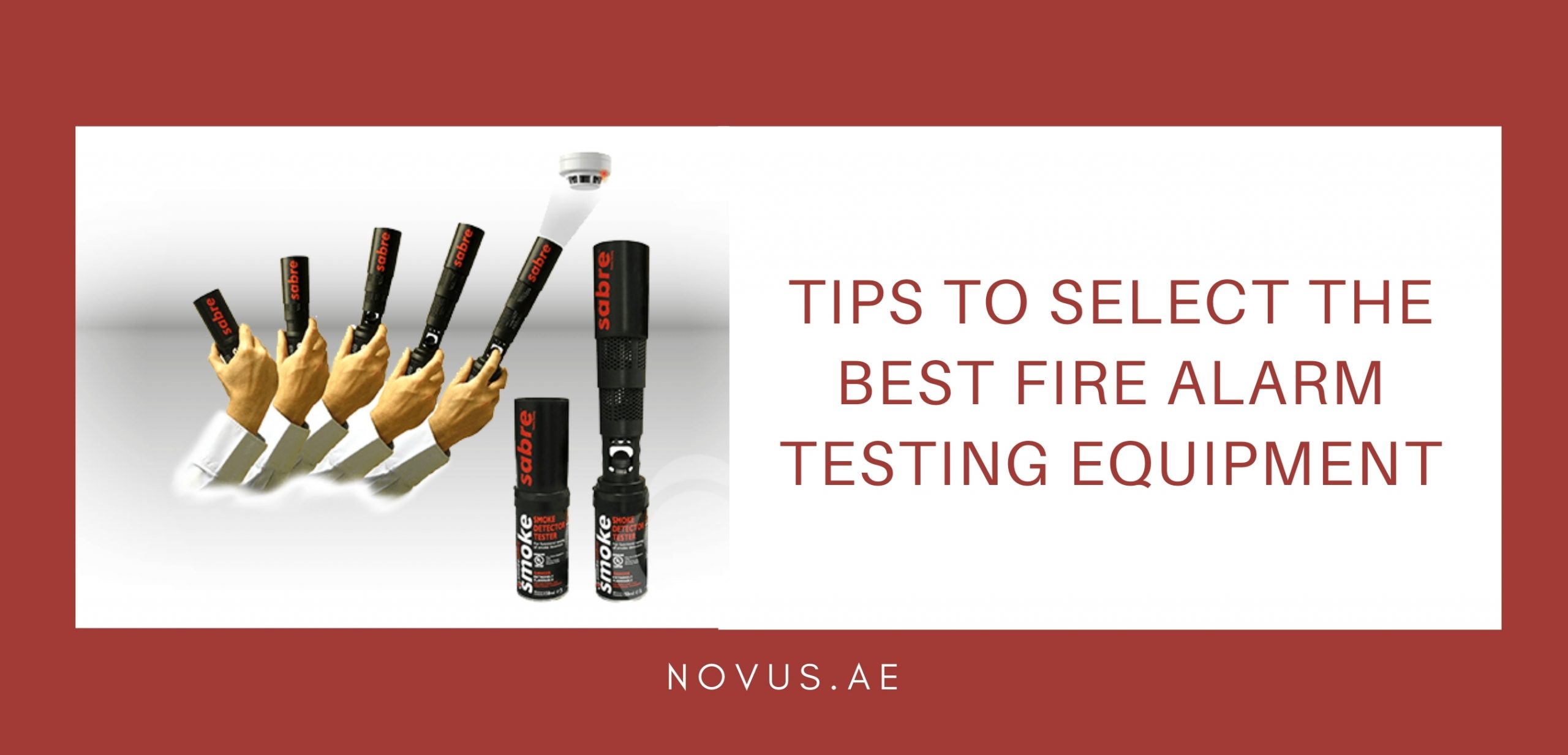
Tips to select the best Fire Alarm Testing Equipment
June 3, 2021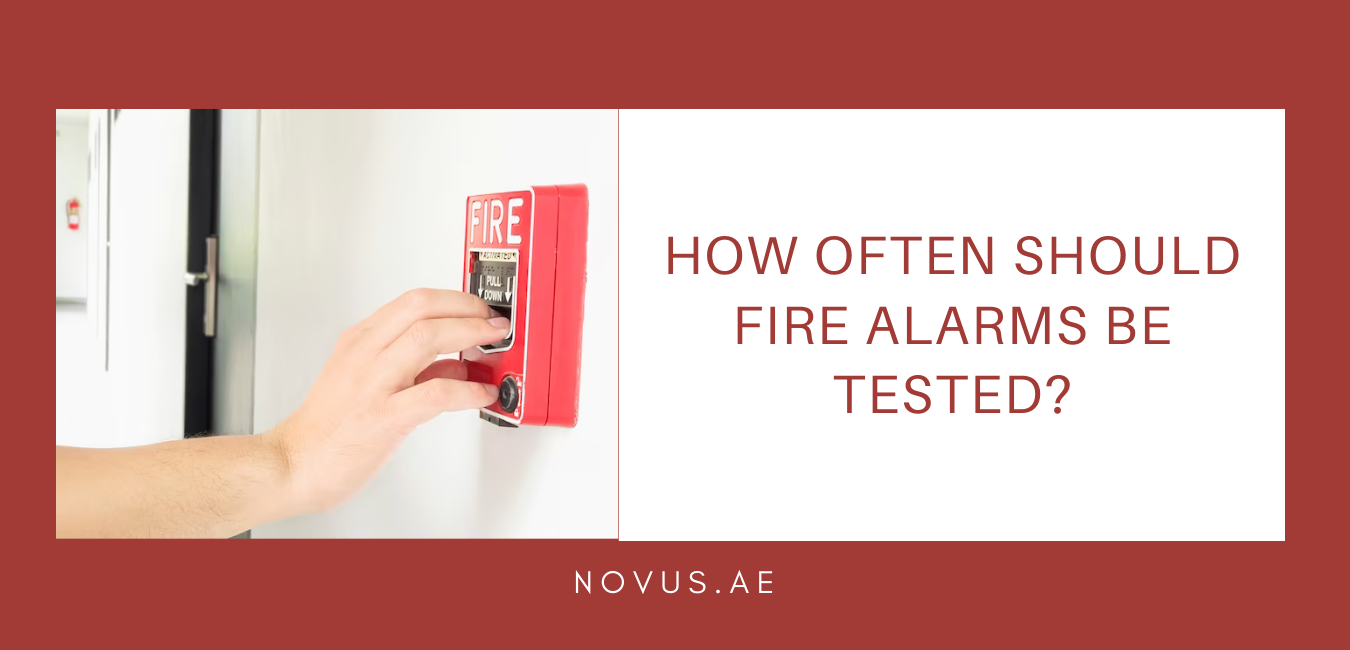
How Often Should Fire Alarms Be Tested?
March 14, 2024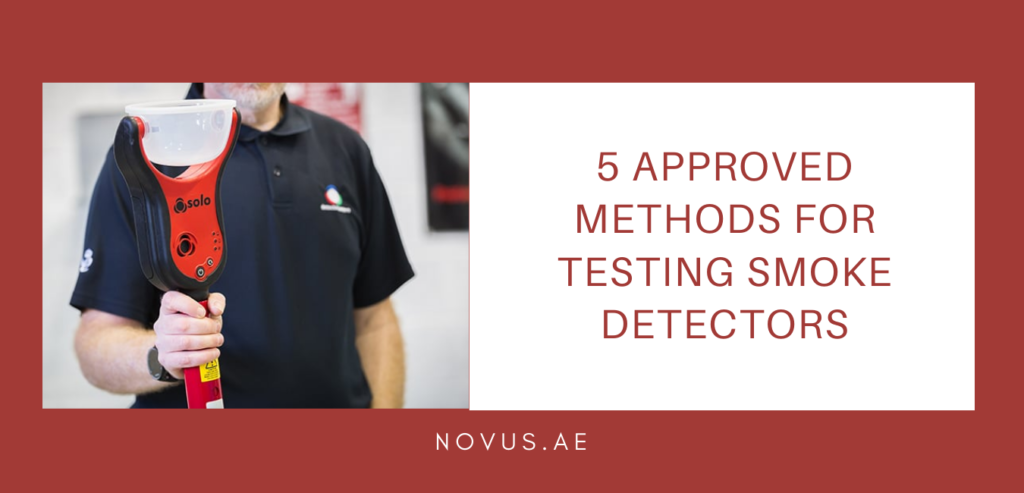
Smoke detectors are indispensable components of any fire safety system; their function is to alert occupants of the presence of smoke and potentially dangerous situations. But smoke detectors testers are critical to make sure that they work.
In this blog post, we discuss five safe ways to test smoke alarms. Homeowners and business owners alike can use these procedures to ensure that their fire safety measures remain robust.
Functional Testing with Test Button
The simplest and most common method of testing for smoke detectors is using the built-in test button. A test button that simulates a smoke event is standard on virtually all modern-day smoke detectors. Doing this test is simple. Just press and hold the test button for a few seconds until the alarm sounds.
This method tests the internal circuitry of the unit, its battery power, and even the sound of the alarm. However, it’s important to observe that this test verifies only the alarm components and not whether the sensor can sense smoke. For this reason, more rigorous testing methods are needed for a fuller assessment.
Smoke Test Aerosols
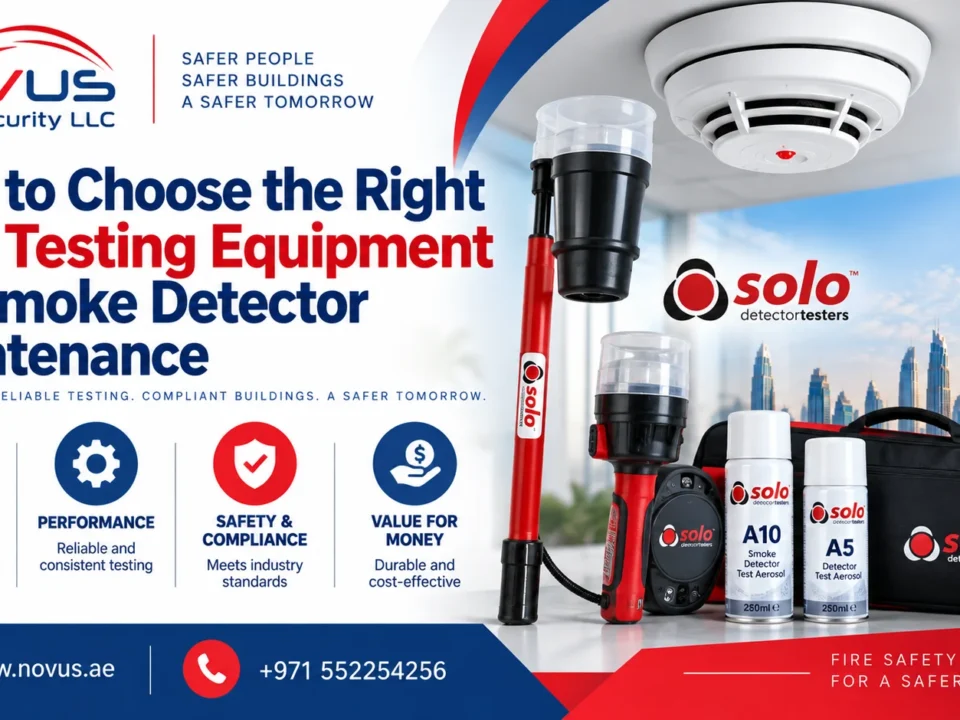
Smoke test aerosols are used in more comprehensive testing of smoke detectors. These specialized aerosols are created with the function of emitting a smoke-like substance so that users can mimic the condition experienced in real life which involves a real fire. With this method, the smoke detector’s responsiveness and sensitivity are more realistically assessed.
To conduct a smoke test using aerosols, follow these steps:
- Put the smoke detector in test mode if you can.
- Spray a short burst of the smoke test aerosol in front of the detector.
- See whether the smoke detector triggers the alarm within the given time.
Professional Smoke Detector Testing Kits
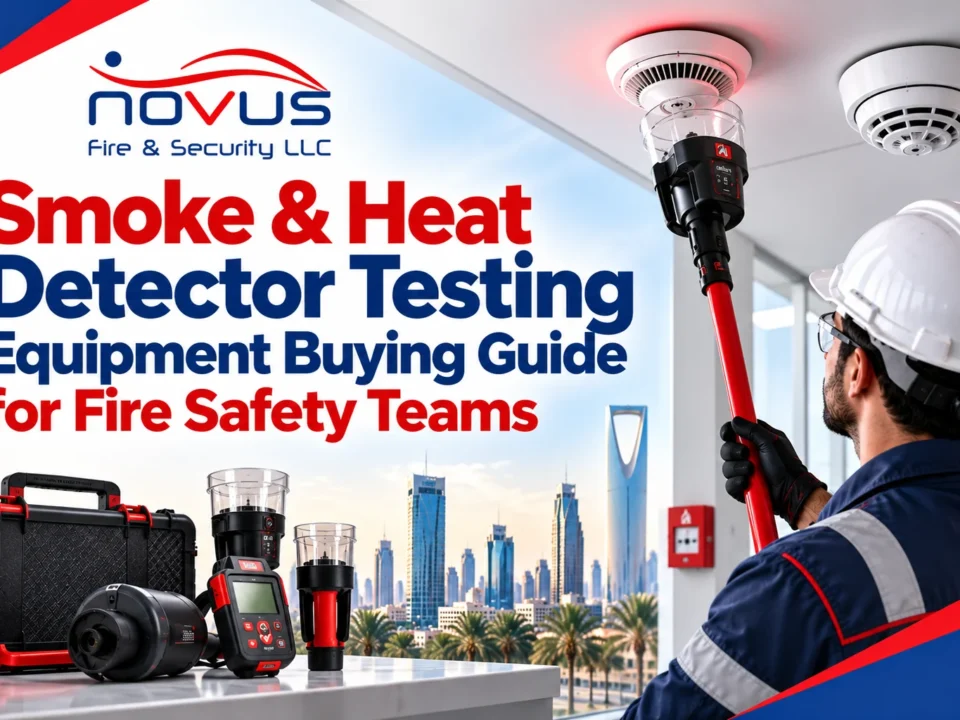
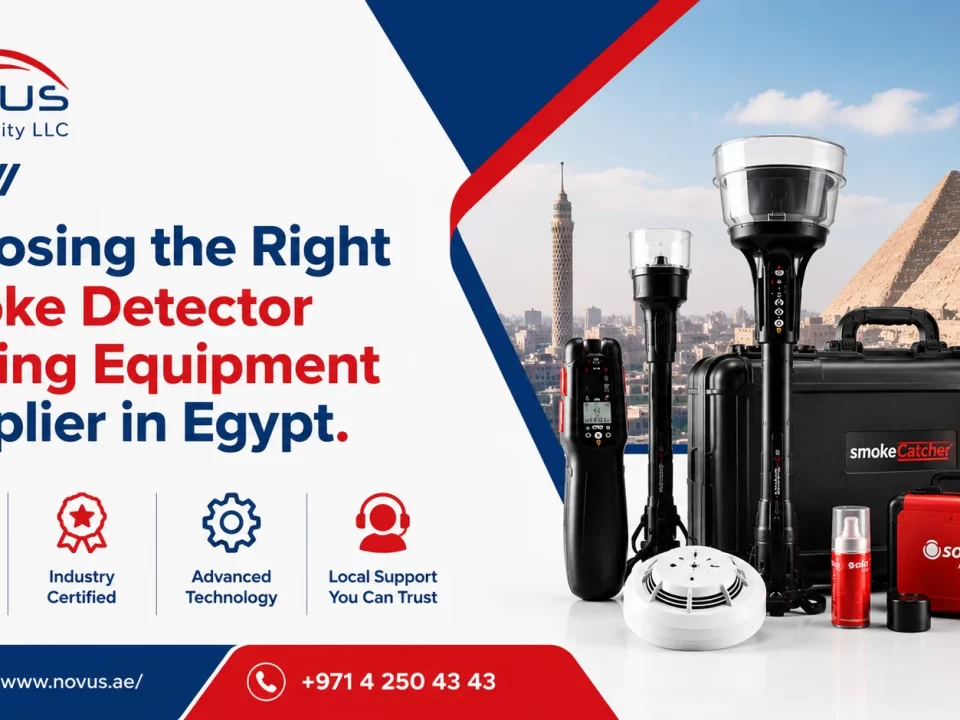
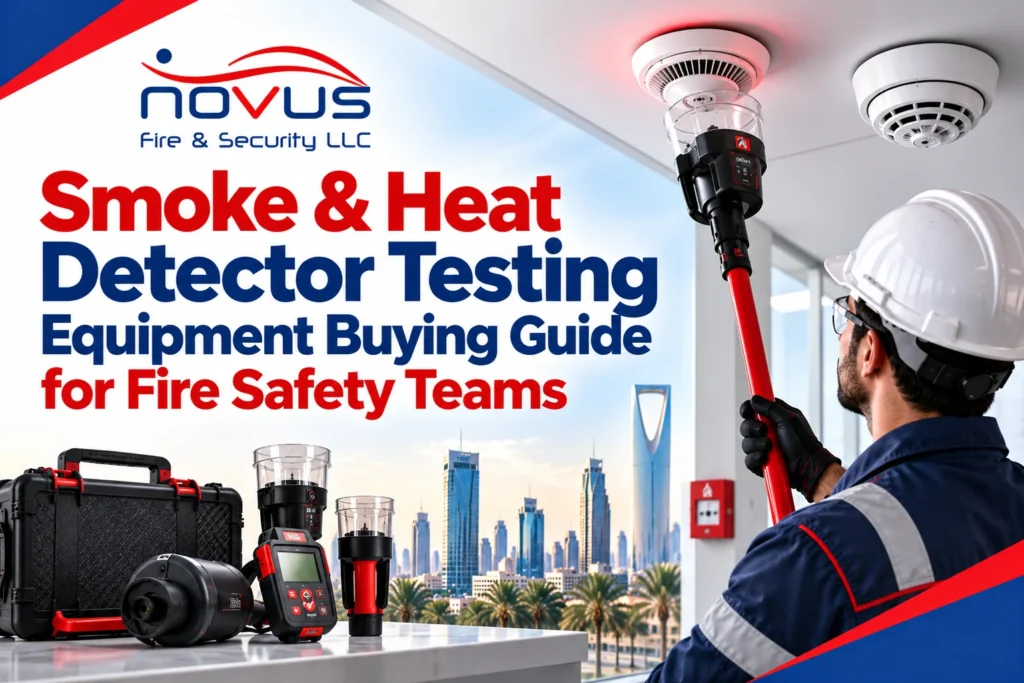
To perform an objective and comprehensive assessment of smoke detectors, it is recommended that professional smoke & heat testing equipment be used. These kits often feature several different tools and substances to test various aspects of the detector’s ability, such as smoke density, response time, and sensitivity.
To simulate the various fire scenarios under different weather and temperature conditions, professional testing kits may also include calibrated smoke sources, airflow meters, and other instruments. This method is especially helpful for companies and organizations with greater responsibility for fire safety compliance.
Ask your query?
Heat Testing
Smoke detectors react mostly to the presence of smoke, but some are also fitted with heat sensors that sense large temperature increases (a common sign of fire). Heat testing requires using a heat source to examine the heat sensor’s operation.
To conduct a heat test:
- Warm the detector with a hairdryer or heat gun.
- Check if the smoke detector goes off when the temperature increases.
Kitchens, where smoke detectors are exposed to environmental conditions that may affect their performance, are one such area where heat testing plays a particularly important role.
Regular Maintenance and Inspection
Regular maintenance and inspection, in addition to periodic testing, are necessary for protecting smoke detectors ‘long-term reliability. Follow these guidelines:
- Regularly clean the detectors to remove dust, debris, and other contaminants that hamper sensor functions.
- See the manufacturer’s instructions for battery check and replacement.
- Check for physical damage or wear, and replace aging detectors.
The effective operation of smoke detectors is indispensable to the safety of occupants in any sort of residential or commercial space. Using approved testing methods in combination, including functional testing, smoke test aerosols, professional examining kits, heat tests, and regular retesting-homeowners can bring their fire safety up to speed and create a safe environment for all.
Not only does testing every month help ensure safety standards are complied with, but you also have the peace of mind that comes from knowing your smoke detectors will function when called upon.
Read More:
- A Guide to Fire Detector Testing
- Manual Testing vs. Smoke Detector Test Spray: Which is More Effective in Saudi Arabia?
- Why Saudi Fire Inspectors Recommend the Solo 461 Heat Detector Tester
FAQs
Q1. What are the approved methods for testing smoke detectors?
A1. Approved methods include test button checks, smoke aerosol testing, professional testing kits, heat testing, and regular maintenance inspections to ensure complete detector functionality.
Q2. How does the smoke detector test button method work?
A2. The test button simulates a smoke event and checks the alarm sound, battery, and internal circuitry. However, it does not verify the sensor’s ability to detect real smoke.
Q3. Why is aerosol spray used for smoke detector testing?
A3. Aerosol sprays release smoke-like particles that mimic real fire conditions, helping test the sensitivity and responsiveness of smoke detectors more accurately than manual methods.
Q4. What are professional smoke detector testing kits?
A4. Professional kits include calibrated tools and smoke sources designed to measure detector sensitivity, response time, and performance under different conditions for accurate testing.
Q5. Can heat testing be used for smoke detectors?
A5. Yes, some smoke detectors include heat sensors. Heat testing involves applying controlled heat to verify if the detector responds to temperature changes effectively.
Q6. What is the most accurate method for testing smoke detectors?
A6. Aerosol smoke testing and professional testing kits are considered the most accurate because they simulate real fire conditions and test actual sensor performance.
Q7. How often should smoke detectors be tested using these methods?
A7. Smoke detectors should be tested monthly using basic methods and periodically with advanced tools to ensure compliance with fire safety standards and reliability.
Q8. What are the limitations of manual smoke detector testing?
A8. Manual testing using the test button only checks the alarm function and power supply, but it cannot detect sensor faults or sensitivity issues.
Q9. Why is regular maintenance important for smoke detectors?
A9. Regular maintenance such as cleaning, battery replacement, and inspection prevents dust buildup and technical faults, ensuring long-term reliability of the system.
Q10. Which method is best for commercial and industrial fire safety systems?
A10. For large facilities, a combination of aerosol testing, professional testing kits, and routine maintenance is recommended for accurate results and compliance with safety regulations.