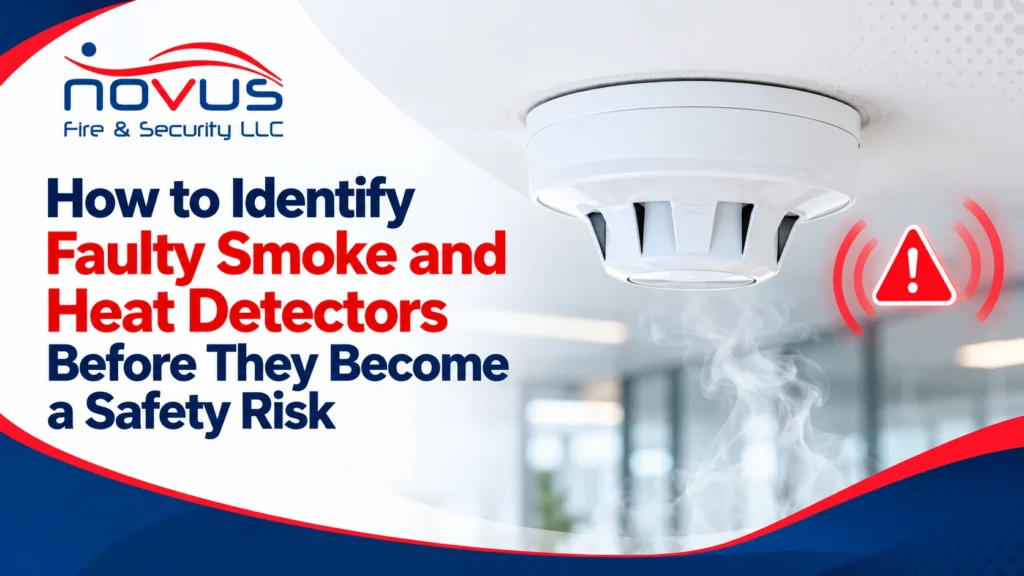
How to Identify Faulty Smoke and Heat Detectors Before They Become a Safety Risk
October 7, 2026Where to Buy a Solo Detector Tester in Qatar? A Buyer’s Guide for Fire Safety Professionals
October 17, 2026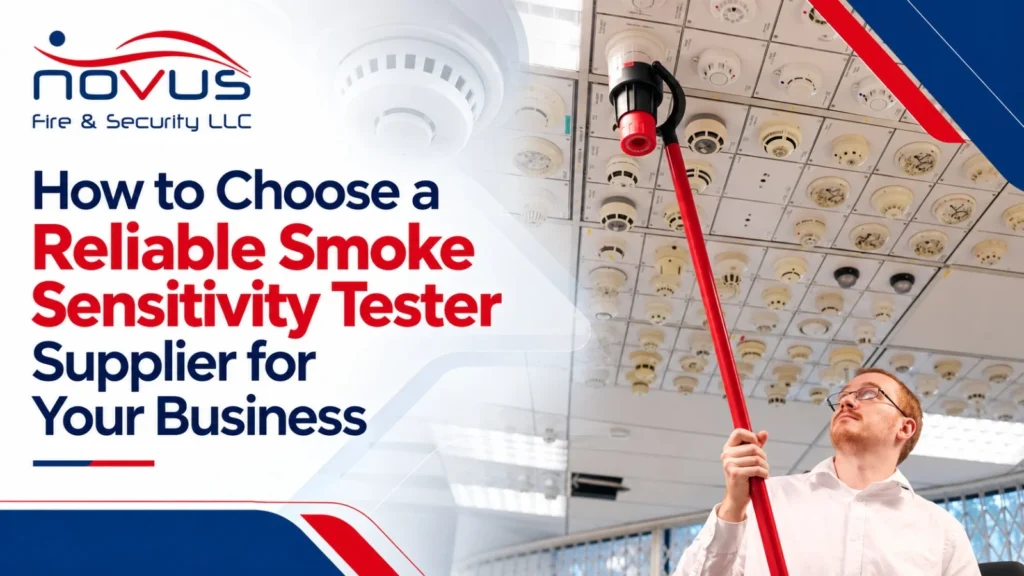
Smoke detectors are essential components of fire alarm systems, helping buildings detect potential fire conditions and alert occupants. To maintain reliable performance, detectors need appropriate inspection, testing, and maintenance according to the manufacturer’s instructions and applicable fire safety requirements. Choosing the right supplier for smoke sensitivity testing equipment is therefore an important decision for fire safety contractors, facility managers, and maintenance teams.
A reliable supplier should offer suitable equipment, clear technical documentation, verified compatibility information, and dependable after-sales support. Businesses should also consider product quality, servicing requirements, warranty terms, training, and total ownership costs before making a purchase.
Whether you manage a commercial property, maintain fire alarm systems across multiple sites, or supply equipment to service technicians, a structured purchasing process can help you choose tools that fit your operational requirements. This guide explains what to evaluate when selecting a supplier and how to make a more informed purchasing decision.
How Do You Choose a Reliable Smoke Sensitivity Tester Supplier?
Choose a supplier that provides suitable equipment for your detector models, transparent product specifications, reliable technical support, and clear warranty and servicing information.
Before purchasing, check these key factors:
- Product compatibility: Confirm that the equipment supports the detector models and technologies you maintain.
- Technical documentation: Review operating instructions, specifications, limitations, and maintenance requirements.
- Quality and reliability: Look for traceable product information and appropriate manufacturer support.
- Service and warranty: Understand repair options, spare parts availability, warranty coverage, and response times.
- Training and guidance: Check whether the supplier provides the documentation or training needed for correct operation.
- Total ownership cost: Compare purchase price, servicing, accessories, consumables, and expected service life.
The best supplier is not necessarily the one offering the lowest price. It is the one that can demonstrate that its equipment and support meet your technical, operational, and safety requirements.
1. Understand What Smoke Detector Sensitivity Testing Involves
Smoke detector sensitivity relates to how a detector responds to smoke under defined conditions. Over time, environmental contamination, ageing components, and other factors may affect detector performance. Sensitivity testing can help determine whether a detector’s response falls within the limits specified by its manufacturer or applicable requirements.
Sensitivity testing is different from a simple functional test. A functional test generally checks whether a detector responds to an appropriate test stimulus. Sensitivity testing assesses response characteristics using a suitable method and equipment intended for that purpose.
Not every smoke detector uses the same sensing technology, and not every testing tool supports every model. Before purchasing a tester, identify the installed detectors and determine the testing method required by the manufacturer, applicable standards, and maintenance programme.
Understanding this distinction helps businesses avoid purchasing equipment that is unsuitable for their actual requirements.
2. Check Product Compatibility Before Purchasing
Compatibility should be one of the first criteria when evaluating a supplier. A testing device may be designed for particular detector types, models, or testing methods, so general claims of universal compatibility should not replace documented verification.
Ask the supplier to confirm:
- Which detector manufacturers and models are supported.
- Whether the equipment performs sensitivity testing, functional testing, or both.
- What accessories, software, or additional components are required.
- Whether there are limitations for particular detector technologies.
- Which procedures and specifications apply to the intended use.
- Whether compatibility information is available in writing.
If your business maintains different detector brands across several buildings, prepare a list of the devices you service before contacting suppliers. This makes it easier to compare products against real requirements rather than relying on broad marketing descriptions.
A supplier that explains compatibility limitations clearly can help you avoid unnecessary purchases and reduce the risk of selecting unsuitable equipment.
3. Evaluate the Quality of Smoke Detector Sensitivity Testing Equipment
Equipment quality affects usability, maintenance planning, and confidence in test results. When comparing Smoke Detector Sensitivity Testing Equipment, look beyond appearance and purchase price. Review the manufacturer’s specifications, operating limits, construction, documentation, and maintenance requirements. Check whether the equipment is designed for your intended working environment and whether it can be serviced when necessary.
Important considerations include:
Measurement or test capability: Confirm that the device performs the required testing method and provides the information your maintenance process needs.
Repeatability: Review the manufacturer’s information about consistent operation and the conditions required for meaningful results.
Ease of operation: Consider setup, handling, display readability, workflow, and the training required for technicians.
Maintenance requirements: Determine whether the equipment needs periodic verification, calibration, servicing, or replacement components.
Documentation: Ensure that the operating instructions clearly explain the intended use, limitations, safety precautions, and care requirements.
The appropriate equipment depends on your application. Ask for detailed specifications and confirm that they meet the requirements of your maintenance program before making a purchasing decision.
4. Compare Suppliers on Technical Support and Expertise
A supplier’s responsibilities should not end when the equipment is delivered. Technical questions, servicing requirements, compatibility checks, and replacement components can all affect how effectively your team uses the equipment.
When evaluating a Smoke Sensitivity Tester supplier, ask about the support available throughout the product’s expected service life.
Useful questions include:
- Can the supplier explain the equipment’s intended use and limitations?
- Is technical documentation available before purchase?
- Can the supplier help confirm compatibility with your detector models?
- What support is available if the equipment develops a fault?
- Are spare parts and servicing options available?
- What is the process for warranty claims?
- Is product training or operational guidance available?
A professional supplier should answer these questions clearly and avoid making unsupported claims about performance or compatibility. For businesses operating across multiple sites, also consider whether the supplier can support equipment planning, documentation, and servicing needs consistently.
5. Review Warranty, Servicing, and Spare Parts Availability
Testing equipment represents an investment, so it is important to understand what happens if it needs repair or maintenance. Before ordering, review the warranty period, coverage, exclusions, and procedure for requesting service. Ask whether repairs must be completed by an authorised service provider and whether shipping or labour charges apply.
Also check the availability of spare parts, accessories, consumables, and replacement components. Equipment that cannot be serviced easily may create avoidable delays for a maintenance team. For organisations with scheduled inspection commitments, ask about typical service arrangements and whether backup equipment may be needed while a tester is unavailable.
Keep records of the purchase date, serial number, warranty terms, service history, and any required verification. These records help the business plan maintenance and demonstrate that equipment is being managed appropriately.
6. Compare Total Cost Instead of Purchase Price Alone
A low initial price does not always represent the best long-term value. Different products may have different requirements for accessories, servicing, training, calibration or verification, and consumable replacement.
When comparing Smoke Sensitivity Testing Equipment, calculate the expected total cost of ownership over a realistic period.
Include:
- Initial equipment purchase price.
- Required accessories and additional components.
- Delivery and setup costs.
- Training or onboarding expenses.
- Routine maintenance and servicing.
- Calibration or verification costs, where applicable.
- Replacement parts and consumables.
- Potential downtime and repair costs.
Ask suppliers to clarify which items are included in the quotation and which may incur additional charges. Compare offers on the same basis so that the lowest quoted price does not conceal important differences in support or capability.
The objective is to select equipment that meets your requirements while remaining practical to maintain and operate over time.
7. Check Documentation, Training, and Safe Use
Smoke sensitivity testing should follow the correct procedure for the equipment and detector being assessed. Incorrect methods can produce misleading results and may lead to inappropriate maintenance decisions.
A supplier should provide clear documentation describing the equipment’s intended use, operating procedure, limitations, maintenance requirements, and safety precautions. Before deploying the equipment, ensure that relevant personnel understand how to use it correctly. Training requirements depend on the product, the testing method, and the technician’s existing competence.
Your maintenance process should also address site procedures, any required notification or system isolation, documentation of results, defect reporting, and restoration of normal fire alarm operation after testing. Do not assume that every smoke detector tester performs sensitivity measurement. Confirm the specific function of the device and use only the appropriate method for the detector model and application.
8. Select a Professional Smoke Detector Tester for Your Business Needs
A Professional Smoke Detector Tester should be chosen according to the work your organisation actually performs. A contractor servicing multiple detector brands may have different needs from a facility team maintaining one system in a single building.
Before selecting a product, document your main requirements:
- List the detector models and technologies in your facilities.
- Identify whether sensitivity testing, functional testing, or both are required.
- Confirm the applicable standards and manufacturer procedures.
- Define the operating environment and frequency of use.
- Establish your budget and servicing expectations.
- Compare suitable products and suppliers against these criteria.
Novus Fire and Security LLC can be included in your research when comparing fire safety equipment suppliers. Ask for product specifications, compatibility details, service information, and a clear quotation before deciding whether a particular option meets your requirements. Compare multiple suppliers where practical. Prioritise verifiable product information, technical suitability, and long-term support rather than selecting a supplier based only on promotional claims.
9. Build a Reliable Equipment Purchasing Process
A consistent purchasing process helps businesses reduce uncertainty and make better decisions. Assign responsibility for confirming technical requirements, reviewing quotations, approving purchases, and maintaining equipment records.
A simple supplier evaluation checklist can include:
| Evaluation area | What to confirm |
|---|---|
| Compatibility | Documented support for intended detector models |
| Testing function | Sensitivity testing, functional testing, or both |
| Documentation | Clear specifications and operating instructions |
| Warranty | Coverage, exclusions, and claim procedure |
| Technical support | Availability and expected response process |
| Servicing | Repair, verification, and spare parts options |
| Total cost | Purchase, accessories, maintenance, and consumables |
| Supplier credibility | Clear contact details and verifiable product information |
After purchasing, keep the documentation accessible and schedule any required maintenance or verification. Review supplier performance over time, particularly if your business depends on the equipment for regular service commitments.
Conclusion
Choosing a reliable smoke sensitivity tester supplier involves more than comparing prices. Businesses should verify product compatibility, testing capabilities, documentation, warranty coverage, technical support, servicing options, and total ownership costs.
Start by identifying the detector models you maintain and the testing methods required. Then compare suppliers against a consistent checklist and confirm important product claims in writing. Ensure that technicians receive appropriate guidance and follow manufacturer instructions and applicable fire safety requirements.
Novus Fire and Security LLC is one supplier to research alongside other suitable providers. A well-informed purchasing decision can help your business select appropriate equipment, manage maintenance responsibilities, and support a more consistent fire safety testing program.
FAQs
Q1. What is a Smoke Detector Sensitivity Tester?
A1. It is equipment designed to assess a smoke detector’s sensitivity using a specified testing method. Confirm the product’s intended function because some testers perform functional testing rather than sensitivity measurement.
Q2. How do I choose Smoke Detector Sensitivity Testing Equipment?
A2. Check compatibility with your detector models, testing capabilities, technical documentation, warranty, servicing options, and total ownership costs.
Q3. What should a Professional Smoke Detector Tester supplier provide?
A3. A reliable supplier should provide clear product specifications, compatibility information, operating instructions, warranty details, and information about technical support and servicing.
Q4. Is all Smoke Detector Sensitivity Test Equipment suitable for every detector?
A4. No. Compatibility and testing methods vary by detector model and technology. Verify suitability with the equipment supplier and detector manufacturer before use.