
Why Fire Alarm Testing Matters for High-Rise Buildings in Saudi Arabia
September 15, 2026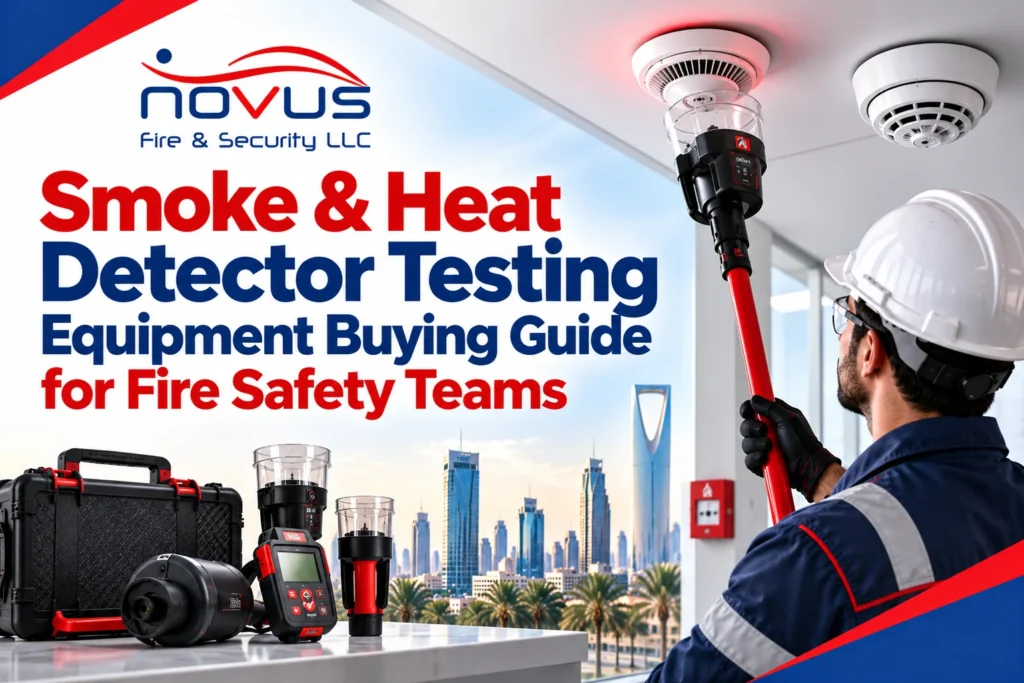
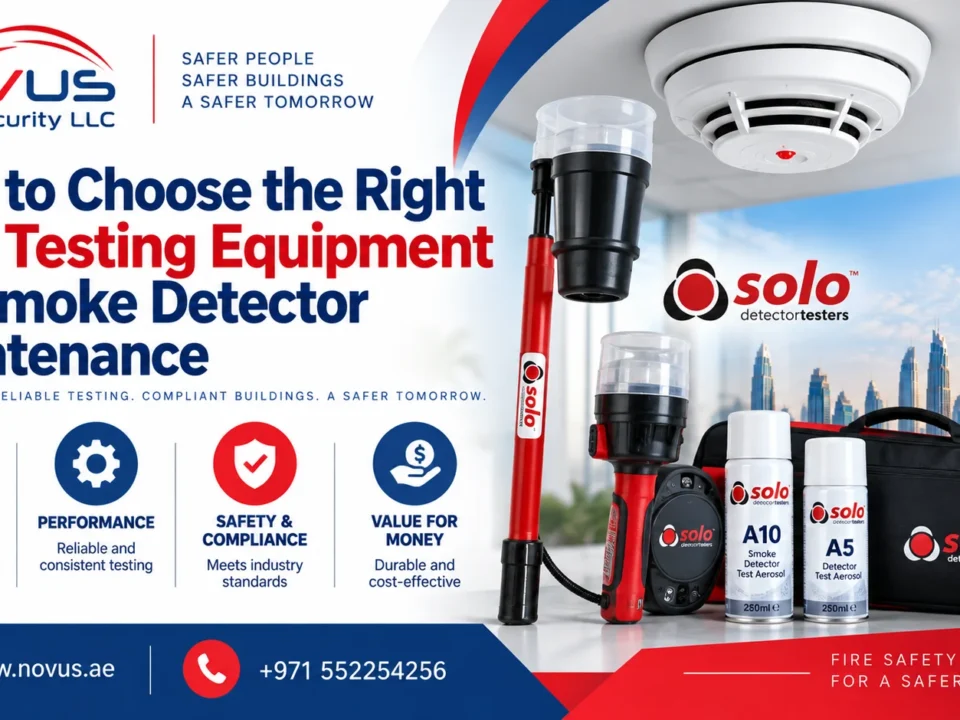
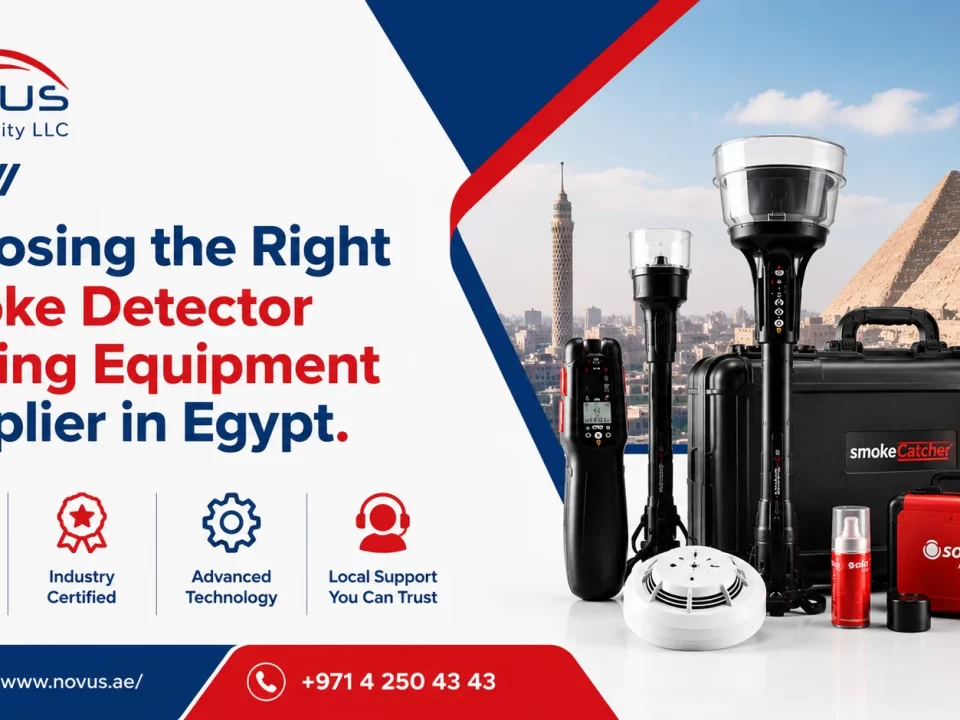
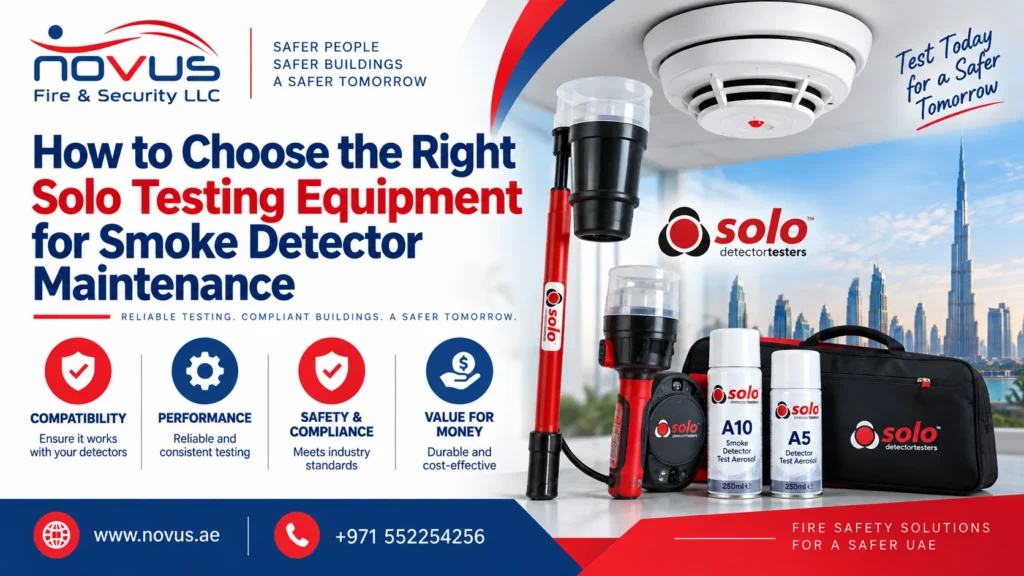
Reliable fire detection depends not only on installing suitable detectors but also on maintaining and testing them regularly. Fire safety teams need the right equipment to verify that smoke and heat detectors respond appropriately during scheduled maintenance and functional testing. Choosing the right smoke and heat detector testing equipment can be challenging when a facility has different detector types, installation heights, testing requirements, and maintenance schedules.
A suitable testing setup should match the detector manufacturer’s recommendations while being practical for technicians to use across the site. From portable testers and testing aerosols to heat sources and extension poles, every component can affect the efficiency of a maintenance program. This guide explains the key factors fire safety teams should consider when selecting a smoke and heat detector testing kit.
How Do You Choose Smoke & Heat Detector Testing Equipment?
The right testing equipment should match the detector type, manufacturer’s testing instructions, accessibility, testing frequency, and maintenance environment.
Before purchasing, fire safety teams should consider:
- Detector type: Identify whether the system includes smoke, heat, or multi-sensor detectors.
- Compatibility: Confirm that the equipment is appropriate for the detector models being tested.
- Testing method: Choose equipment designed for the required functional testing procedure.
- Accessibility: Consider ceiling height and whether extension poles or other accessories are required.
- Portability: Select equipment technicians can transport and use efficiently.
- Consumables: Check the availability and compatibility of testing aerosols and other supplies.
- Safety: Review manufacturer instructions, storage requirements, and applicable safety procedures.
- Long-term value: Compare durability, replacement components, consumable costs, and supplier support.
A properly selected Smoke & Heat Detector Test Kit can help technicians perform routine functional testing more efficiently while following appropriate manufacturer and maintenance procedures.
1. Identify the Detector Types in Your Facility
Before buying Smoke Detector Testing Equipment, create an inventory of the detectors installed throughout the facility. Different detection technologies can require different testing approaches. Smoke detectors and heat detectors do not necessarily respond to the same type of test stimulus, so fire safety teams should understand what is installed before selecting equipment.
Your inventory can include:
- Smoke detectors
- Fixed-temperature heat detectors
- Rate-of-rise heat detectors
- Multi-sensor detectors
- Other compatible fire detection devices
Recording detector manufacturers and model numbers can make compatibility checks easier and help technicians select appropriate testing equipment.
2. Choose Equipment Based on Testing Requirements
The purpose of testing equipment is to provide an appropriate stimulus and help verify detector response. Therefore, equipment should be selected according to the testing procedures specified by the detector manufacturer. When comparing a smoke and heat detector testing kit, determine whether your team needs separate testing tools for different detector types or a combination of compatible solutions.
For example, smoke detector testing may require an appropriate testing aerosol and dispenser, while heat detector testing may require a suitable heat-testing device. The goal is not simply to purchase more equipment but to select the right tools for the detectors and maintenance procedures used at your facility.
3. Consider Smoke Detector Testing Equipment
Smoke detectors need appropriate functional testing equipment that can provide a controlled test stimulus.
When selecting Smoke Detector Testing Equipment, check:
- Detector compatibility
- Recommended testing aerosol
- Tester design
- Accessibility
- Pole or extension compatibility
- Ease of operation
- Consumable availability
- Manufacturer documentation
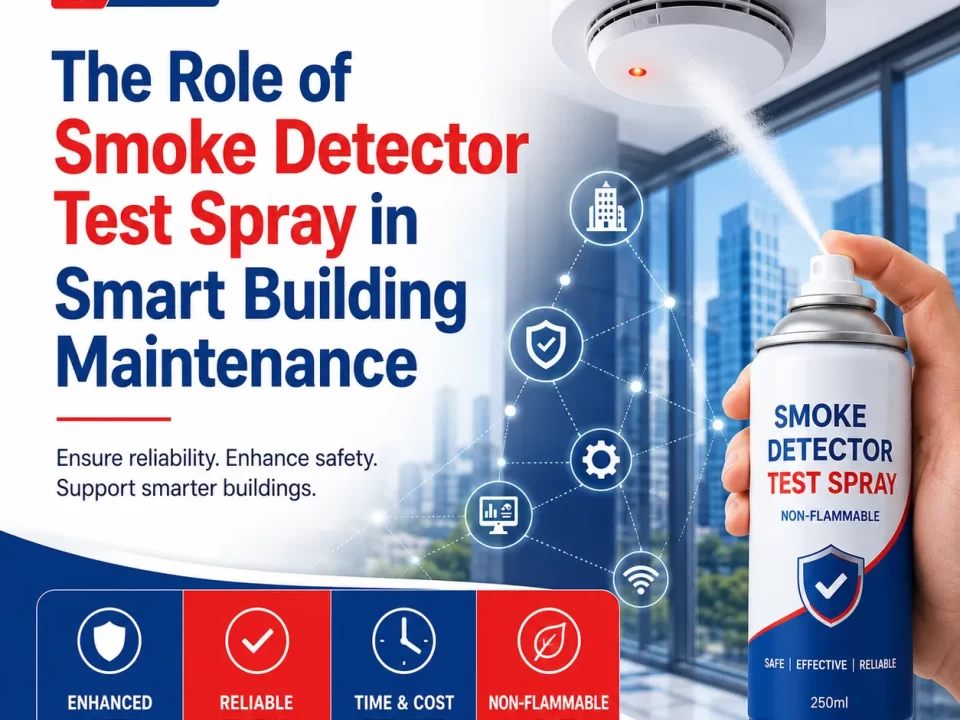
Testing aerosols should be specifically intended for detector testing and used according to the relevant manufacturer’s instructions. Avoid choosing products simply because they are inexpensive or readily available. The correct testing solution should support the intended maintenance procedure without introducing unnecessary contamination or equipment concerns.
4. Evaluate the Smoke and Heat Detector Tester
A Smoke and Heat Detector Tester may be useful for facilities where technicians regularly work with different types of fire detection devices. When assessing a tester, consider how easily technicians can position it over or around a detector. Equipment that is lightweight, portable, and straightforward to operate can be beneficial during large maintenance programs. Also, consider whether the tester can be used with compatible accessories and whether replacement components are readily available. For larger facilities, standardizing testing equipment across maintenance teams can simplify training, equipment storage, and routine inspection procedures.
5. Check Heat Detector Testing Equipment
Heat detectors require a suitable test method that provides an appropriate heat stimulus without damaging the detector. When choosing Heat Detector Testing Equipment, review the manufacturer’s recommended testing procedure and confirm that the equipment is appropriate for the detector type.
Important considerations include:
- Suitable operating temperature range
- Compatibility with detector models
- Ease of positioning
- Portability
- Battery or power requirements
- Safety features
- Maintenance requirements
Technicians should always follow the equipment manufacturer’s instructions when using heat-testing devices and avoid applying excessive or inappropriate heat.
6. Think About Detector Accessibility
Detector location can have a major impact on equipment selection. Detectors installed on high ceilings may require extension poles or other accessories. Before purchasing Smoke Detector Test Equipment, assess the height and accessibility of detectors throughout your facility.
Consider:
- Ceiling height
- Access restrictions
- Narrow spaces
- Warehouse layouts
- Stairwells
- Production areas
- Large open spaces
A testing solution that works well in a low-ceiling office may not be practical in a warehouse or industrial facility. Choosing appropriate accessories at the time of purchase can help technicians avoid unnecessary delays during maintenance.
7. Consider Portability and Ease of Use
Fire safety teams may need to move testing equipment between floors, buildings, or different areas of a facility. Portability therefore matters. Look for equipment that is easy to transport, assemble, operate, and store. A practical Smoke & Heat Detector Test Kit may include compatible testing tools, extension equipment, carrying or storage solutions, and the necessary consumables. Technicians should also be able to understand the equipment’s operating instructions without unnecessary complexity.
8. Review Consumables and Replacement Parts
Testing equipment is only useful if the necessary consumables and replacement components remain available. For smoke detector testing, check the availability of compatible testing aerosols. For other testing equipment, review battery, charging, replacement, or servicing requirements.
Before purchasing, ask:
- Are replacement parts available?
- Are compatible consumables easy to source?
- Does the manufacturer provide product documentation?
- Can the supplier support future requirements?
- Are accessories available for different detector installations?
This is particularly important for fire safety teams managing large numbers of detectors and recurring maintenance schedules.
9. Prioritize Safety and Manufacturer Instructions
Testing equipment should always be used according to the manufacturer’s instructions and the procedures applicable to the fire alarm system. Before using any Smoke Detector Test Equipment or heat-testing device, technicians should understand the relevant operating and safety information. Testing aerosols may be pressurized products, while heat-testing equipment can produce elevated temperatures. Appropriate storage, handling, transportation, and workplace safety procedures should therefore be followed. Fire safety teams should also consider applicable local requirements, building procedures, and relevant standards when developing their maintenance program.
10. Compare Total Cost, Not Just Purchase Price
The cheapest testing equipment is not necessarily the most cost-effective choice. Fire safety teams should consider the total cost of ownership.
| Buying Factor | What to Check |
|---|---|
| Initial price | Cost of the complete testing setup |
| Compatibility | Detector types and models supported |
| Consumables | Availability and ongoing cost |
| Accessories | Poles, extensions, cups, and related components |
| Durability | Expected working life |
| Maintenance | Servicing and replacement requirements |
| Portability | Ease of transportation and storage |
| Support | Manufacturer and supplier assistance |
A slightly higher initial investment may provide better long-term value if the equipment is durable, compatible, easy to maintain, and supported by readily available consumables.
Why Professional Testing Equipment Matters
Regular detector testing is an important part of maintaining a functional fire detection system. Appropriate equipment helps technicians carry out functional testing in a controlled and consistent manner. However, testing should be part of a broader maintenance program. Visual inspections, cleaning where appropriate, documentation, fault investigation, and other required maintenance activities may also be necessary depending on the system and applicable procedures.
Upgrade Your Testing Equipment
Novus Fire and Security LLC offers professional fire alarm testing equipment and related solutions for maintenance applications. Fire safety teams should select equipment based on their actual detector types, site conditions, testing procedures, and maintenance requirements rather than relying on a one-size-fits-all approach.
Final Thoughts
Selecting the right testing equipment is an important decision for fire safety teams responsible for maintaining detection systems. Start by identifying the detector types and models in your facility, then evaluate compatibility, testing methods, accessibility, portability, consumables, safety information, and long-term costs. A well-planned Smoke & Heat Detector Test Kit can help technicians conduct maintenance more efficiently while supporting consistent testing practices. The best equipment is ultimately the equipment that matches your detectors, working environment, maintenance procedures, and operational needs. Novus Fire and Security LLC can be considered when sourcing professional fire alarm testing equipment and related maintenance solutions.
Frequently Asked Questions
Q1. What is Smoke and Heat detector testing?
A1. Smoke and Heat detector testing is the process of checking compatible smoke and heat detectors using appropriate test methods to help verify that they respond as intended.
Q2. What should a smoke and heat detector testing kit include?
A2. A smoke and heat detector testing kit should contain the appropriate testing equipment for the detector types being maintained. Depending on the application, this may include smoke testing equipment, heat-testing equipment, extension accessories, and compatible consumables.
Q3. How do I choose Smoke Detector Testing Equipment?
A3. Choose Smoke Detector Testing Equipment based on detector compatibility, manufacturer recommendations, accessibility, testing frequency, consumables, portability, and ease of use.
Q4. What is a Smoke and Heat Detector Tester used for?
A4. A Smoke and Heat Detector Tester is used to support functional testing of compatible smoke and heat detection devices using an appropriate testing method.
Q5. What should I consider when buying Heat Detector Testing Equipment?
A5. When purchasing Heat Detector Testing Equipment, consider detector compatibility, recommended testing temperature or method, accessibility, portability, power requirements, safety information, and manufacturer instructions.
Q6. Is one Smoke & Heat Detector Test Kit suitable for every detector?
A6. Not necessarily. Testing requirements can vary by detector technology, manufacturer, and model. Always verify compatibility before using a testing kit.
Q7. Why is Smoke Detector Test Equipment important?
A7. Smoke Detector Test Equipment helps technicians perform appropriate functional tests on compatible smoke detectors as part of a planned fire alarm maintenance program.
Q8. How often should smoke and heat detectors be tested?
A8. Testing frequency depends on the applicable regulations, standards, system requirements, and manufacturer instructions. Fire safety teams should follow the maintenance schedule appropriate to their facility.