Smoke & Heat Detector Testing Equipment Buying Guide for Fire Safety Teams
September 22, 2026
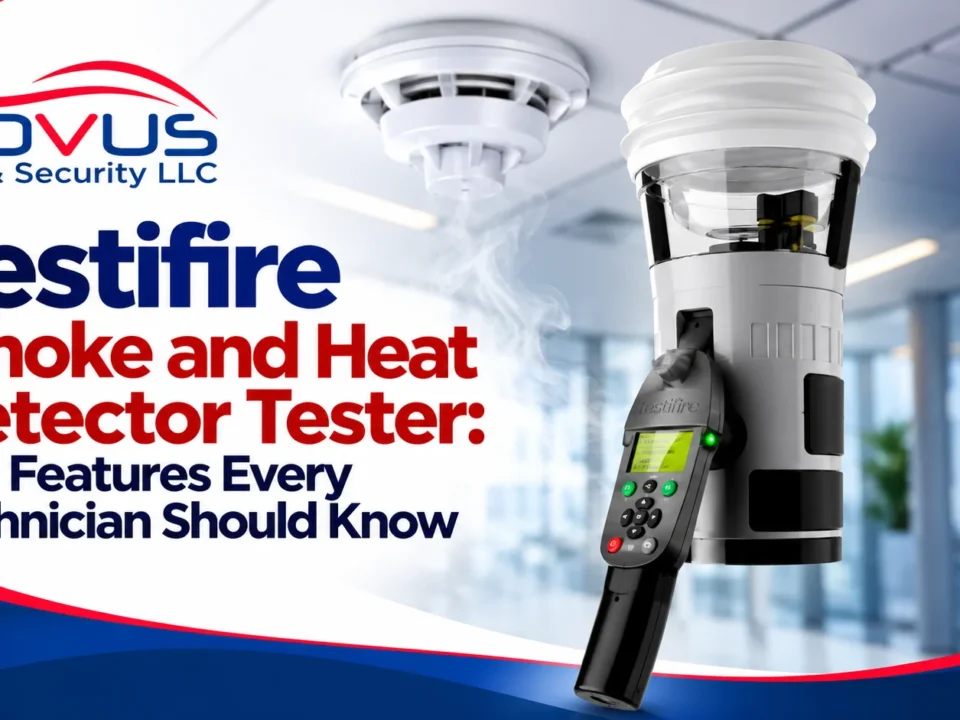
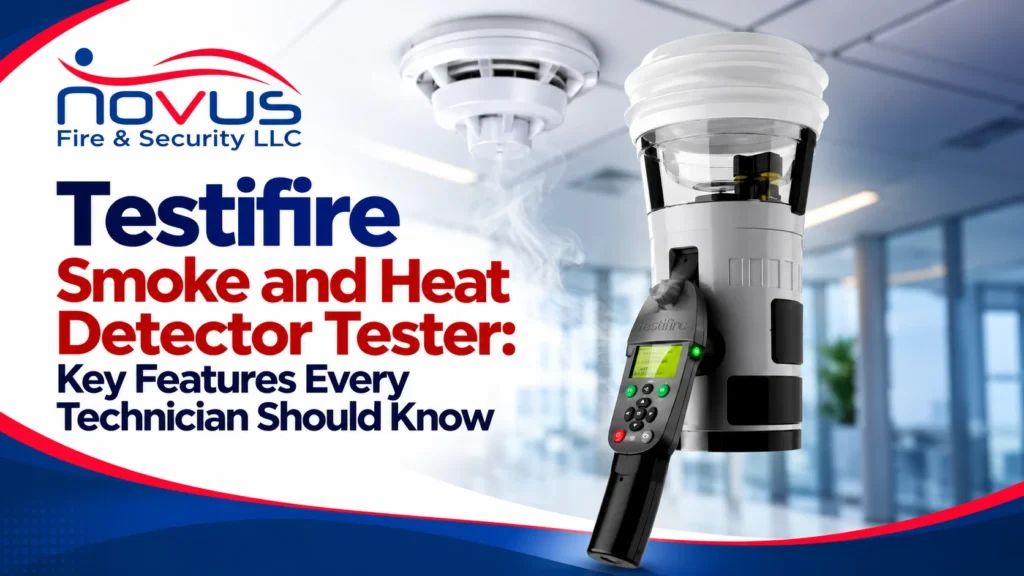
Testifire Smoke and Heat Detector Tester: Key Features Every Technician Should Know
October 1, 2026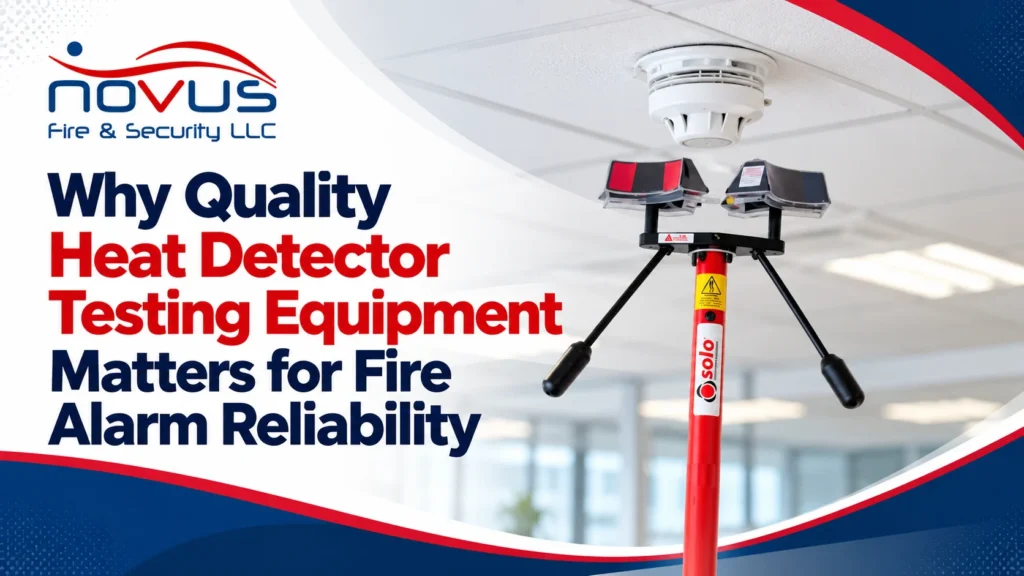
Fire alarm systems play an essential role in protecting people, property, and business operations. However, installing heat detectors is only one part of an effective fire detection strategy. Detectors must also be inspected, maintained, and tested according to manufacturer instructions and applicable fire safety standards to help ensure that they respond as intended. Using reliable testing equipment is important because inconsistent testing methods, unsuitable tools, or incorrect procedures can produce misleading results.
A suitable Fire Alarm Heat Detector Tester helps qualified technicians assess detector response under controlled conditions, identify potential faults, and document maintenance activities. For commercial buildings, industrial facilities, hospitals, hotels, warehouses, and other occupied spaces, selecting appropriate heat detector testing equipment supports a structured fire safety maintenance programme. Quality equipment can improve consistency, help reduce avoidable testing errors, and make routine inspections more efficient.
Why Does Quality Heat Detector Testing Equipment Matter?
Quality heat detector testing equipment helps qualified fire safety technicians assess whether heat detectors respond according to their specifications and the applicable testing procedure.
The main benefits include:
- Consistent testing: Suitable equipment helps technicians apply controlled, repeatable test conditions.
- Reliable assessment: Correctly selected tools help evaluate detector response without relying solely on visual inspection.
- Fault identification: Testing can reveal devices that require further investigation, maintenance, or replacement.
- Equipment protection: Compatible tools and correct procedures help reduce the risk of damage during testing.
- Better documentation: Repeatable testing supports clearer maintenance records and compliance documentation.
- Operational efficiency: Appropriate equipment can make planned inspections more organised and reduce unnecessary repeat visits.
Testing equipment does not guarantee fire alarm reliability by itself. Results also depend on detector compatibility, technician competence, correct procedures, calibration where applicable, and ongoing maintenance.
1. Understanding the Role of Heat Detectors in Fire Alarm Systems
Heat detectors are designed to respond to heat conditions associated with a developing fire. Depending on the device, a detector may operate when a specified temperature is reached or when the temperature rises at a defined rate. Some devices combine different detection characteristics.
Heat detectors are commonly used in locations where smoke detection may be less suitable because of the environment, such as certain kitchens, industrial areas, plant rooms, or dusty spaces. The appropriate detector type depends on the building’s fire risk assessment, environmental conditions, system design, and applicable requirements.
Because heat detectors operate according to specific sensing principles, they need testing methods suited to their design. A tool intended for another detector type may not provide an appropriate test condition for a heat detector. Technicians should therefore confirm the detector model, operating characteristics, approved test method, and relevant manufacturer guidance before choosing testing equipment.
2. Why Quality Matters When Selecting a Fire Heat Detector Testing Tool
Not all testing tools are designed for the same applications. Differences in compatibility, temperature control, usability, maintenance requirements, and manufacturer support can affect how suitable a tool is for a particular service environment.
A quality Fire Heat Detector Testing Tool should be selected based on the requirements of the detectors being maintained and the conditions in which technicians work.
Important considerations include:
- Detector compatibility: Confirm that the equipment is approved or recommended for the detector models and technologies being tested.
- Controlled test conditions: The tool should provide the test conditions required by the detector manufacturer.
- Consistent operation: Repeatable operation helps technicians compare results across scheduled inspections.
- Practical handling: Equipment should be manageable for the intended work environment and installation height.
- Clear operating instructions: Documentation should explain correct use, limitations, inspection, and maintenance.
- Service and support: Access to spare parts, technical support, and maintenance guidance can improve long-term usability.
Choosing equipment primarily by price may overlook compatibility or support requirements. Instead, compare the total cost of ownership, including training, servicing, accessories, and replacement needs.
3. Improve the Consistency of Heat Detector Testing
Consistency is important when different technicians test detectors across multiple floors, buildings, or service visits. If procedures vary significantly, results may be harder to interpret and compare. Appropriate Heat Detector Test Equipment can help technicians follow a standardised procedure when used correctly. This is particularly useful for facilities with many detectors or sites that require planned preventive maintenance.
A consistent testing process should include:
- Identifying the detector model and confirming the approved testing procedure.
- Reviewing the relevant maintenance plan and site safety requirements.
- Checking that the testing equipment is suitable and in serviceable condition.
- Performing the test according to the manufacturer’s instructions and applicable standards.
- Confirming the expected detector and control panel response.
- Recording the result and reporting any abnormal behaviour.
- Restoring the system to normal operation and confirming that any isolation or impairment has been cleared.
These steps are general maintenance principles, not a substitute for the exact procedure required by the detector manufacturer or local fire safety regulations. Testing should be carried out by appropriately trained personnel.
4. Identify Detector Problems Before They Become Bigger Issues
Heat detectors can experience problems because of age, environmental exposure, physical damage, unsuitable installation conditions, or internal component faults. Some issues may not be apparent from a visual inspection alone.
Testing can help identify devices that do not respond as expected. For example, a detector may fail to activate during the prescribed test, respond outside its expected operating characteristics, or show an abnormal indication at the control panel.
When a problem is identified, technicians should follow the relevant fault-finding procedure. Depending on the circumstances, this may involve checking wiring, connections, detector condition, panel indications, configuration, or the suitability of the test method.
A failed test should not automatically be attributed to the detector itself. Incorrect equipment, an unsuitable procedure, or a system issue may also affect the outcome. Reliable testing equipment supports a more systematic assessment, helping maintenance teams investigate the cause and decide whether further inspection, repair, or replacement is needed.
5. Protect Detector Components by Using Compatible Equipment
Testing methods must be appropriate for the detector being assessed. Applying excessive heat, using an unapproved tool, or ignoring the manufacturer’s instructions may damage equipment or produce an unreliable result.
A suitable Fire Alarm Detector Tester should be selected according to the device’s specified testing method. Technicians should not assume that one tool can safely test every model or technology.
Before using a tester, verify:
- The permitted testing method and required test conditions.
- Compatibility with the specific detector model.
- Any required accessories or positioning arrangements.
- Equipment inspection and maintenance requirements.
- Safety precautions for nearby people, equipment, and building operations.
- The correct procedure for restoring the system after testing.
Where the manufacturer specifies a particular tool or test method, follow that guidance. Avoid improvised heating methods or procedures that have not been approved for the detector.
6. Support Maintenance Records and Compliance Activities
Fire alarm maintenance involves more than confirming that a detector activates. Building owners and responsible maintenance teams may need records showing what was inspected, which tests were performed, the results, any defects found, and the actions taken.
Appropriate testing equipment can support a more repeatable maintenance process, while a clear documentation system helps teams track outstanding issues.
Useful records may include:
- Building or site identification.
- Detector location and device identification.
- Date of inspection and test.
- Testing equipment used, where relevant.
- Test result and observed system response.
- Faults, limitations, and corrective actions.
- Technician details and follow-up requirements.
Documentation requirements differ according to the jurisdiction, building type, system, and applicable standards. Consult the relevant fire authority, standard, maintenance specification, and manufacturer instructions to establish the records that must be retained.
Accurate records also help facility managers plan future inspections, identify recurring issues, and demonstrate that maintenance activities have been addressed.
7. What to Look for in a Professional Heat Detector Tester
Selecting a Professional Heat Detector Tester involves evaluating both technical suitability and practical requirements.
Consider the following factors before purchasing:
Compatibility and coverage: Determine which detector models and sensing technologies the tool supports. Ask for documented compatibility rather than relying on broad claims.
Testing method: Confirm that the equipment can provide the test conditions specified for the intended detectors.
Ease of use: Review setup, handling, transport, access requirements, and the clarity of the operating instructions.
Safety features: Consider safeguards, warnings, and operational limits relevant to the equipment’s design.
Maintenance and calibration: Check whether the tool requires periodic servicing, verification, or calibration and whether those services are available.
Training and support: Make sure technicians can access product documentation, training, and assistance when required.
Total ownership cost: Compare the purchase price with maintenance, accessories, servicing, and expected service life.
For multi-site contractors, additional considerations may include portability, storage, equipment tracking, and the ability to maintain consistent procedures across teams.
8. Establish a Planned Heat Detector Testing Programme
Even high-quality testing equipment cannot replace a properly managed maintenance programme. A planned approach helps ensure that detectors are assessed at the appropriate intervals and that faults receive timely attention.
A maintenance programme should identify the responsible personnel, inspection frequency, testing procedures, recordkeeping process, and escalation steps for defective devices. The frequency and scope should follow applicable standards, manufacturer instructions, and the building’s maintenance requirements.
Before testing, consider whether the work could affect building operations or create a temporary impairment in fire protection. Follow the site’s approved procedures for notifying responsible personnel, managing any permitted isolation, maintaining alternative safety measures where required, and restoring the system after testing.
If a detector fails, document the issue, follow the approved corrective process, and confirm that the system is returned to the required operating condition. Never leave a fire alarm system impaired without following the site’s authorised safety procedures.
Explore Heat Detector Testers
9. Choosing a Reliable Fire Safety Equipment Supplier
The supplier is another important consideration when purchasing fire detector testing equipment. Product specifications, compatibility information, documentation, and technical support can influence whether a tool meets your maintenance requirements.
When comparing suppliers, request details about supported detector models, operating limitations, warranty terms, servicing, spare parts, and product documentation. Confirm that the supplied equipment is appropriate for your intended application and the relevant standards.
Novus Fire and Security LLC can be included in your research when comparing fire safety equipment providers. Evaluate any supplier against your technical requirements, support expectations, and purchasing criteria before making a decision.
Do not select a product based only on a general description or a claim that it works with all detectors. Obtain confirmation of compatibility and review the manufacturer’s documentation before purchase.
Conclusion
Quality heat detector testing equipment plays an important role in a structured fire alarm maintenance program. Suitable tools can help trained technicians assess detector response consistently, identify faults, protect equipment from unsuitable testing methods, and maintain useful inspection records.
When choosing equipment, prioritise detector compatibility, approved testing methods, operational safety, documentation, servicing, and technical support. Pair appropriate tools with trained personnel, manufacturer instructions, applicable standards, and a planned maintenance program.
For organisations reviewing their testing equipment and supplier options, Novus Fire and Security LLC is one provider to research alongside other suitable suppliers. The goal is not simply to purchase a tester, but to establish a reliable process for maintaining fire detection systems and supporting occupant safety.
FAQs
Q1. Why is a Fire Alarm Heat Detector Tester important?
A1. It helps trained technicians evaluate whether a heat detector responds according to the applicable testing procedure. Appropriate equipment supports consistent testing, fault identification, and maintenance documentation.
Q2. How do I choose the right Heat Detector Test Equipment?
A2. Check detector compatibility, the manufacturer’s approved testing method, operating instructions, safety requirements, servicing needs, and technical support before purchasing.
Q3. What should a Professional Heat Detector Tester support?
A3. It should support the intended detector models and required test conditions, with clear operating instructions, appropriate safety provisions, and documented compatibility.
Q4. Can one Fire Alarm Detector Tester test every heat detector?
A4. Not necessarily. Detector designs and test requirements vary. Always confirm compatibility and follow the manufacturer’s instructions for each detector model.