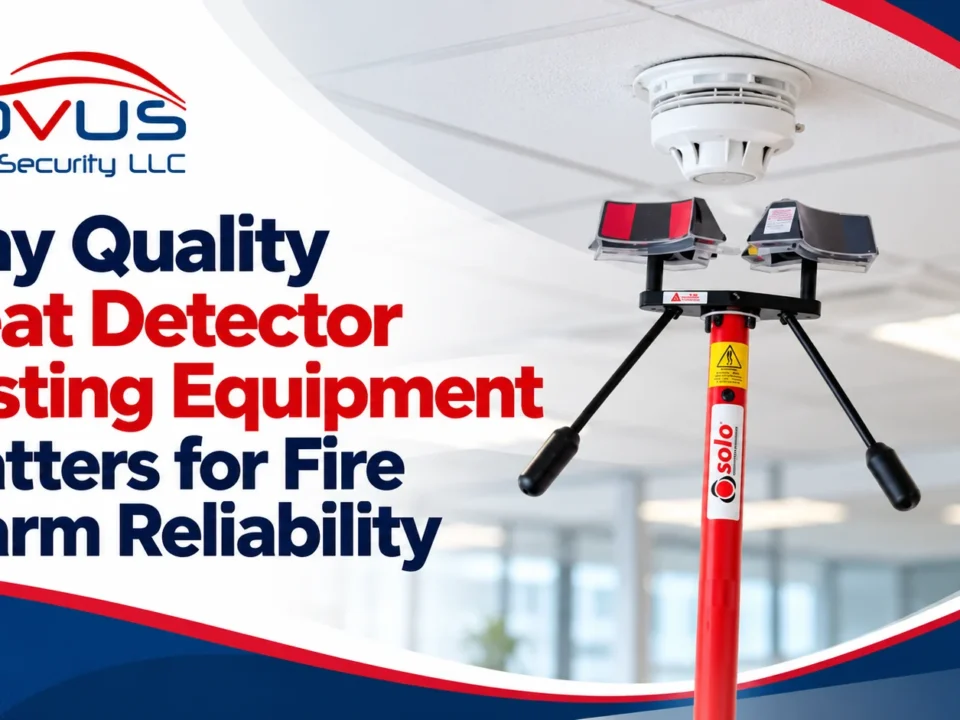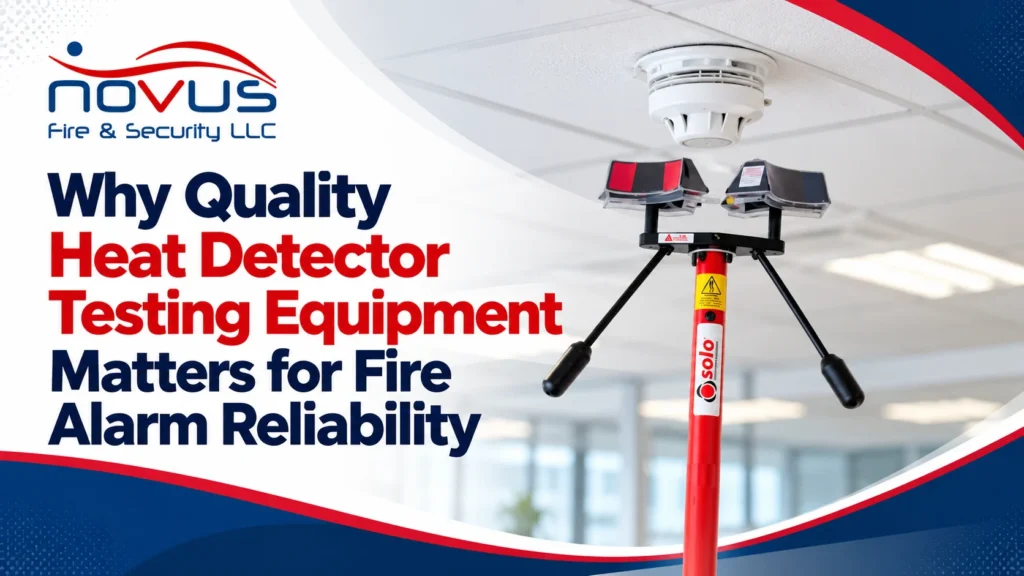
Why Quality Heat Detector Testing Equipment Matters for Fire Alarm Reliability
September 30, 2026
How to Identify Faulty Smoke and Heat Detectors Before They Become a Safety Risk
October 7, 2026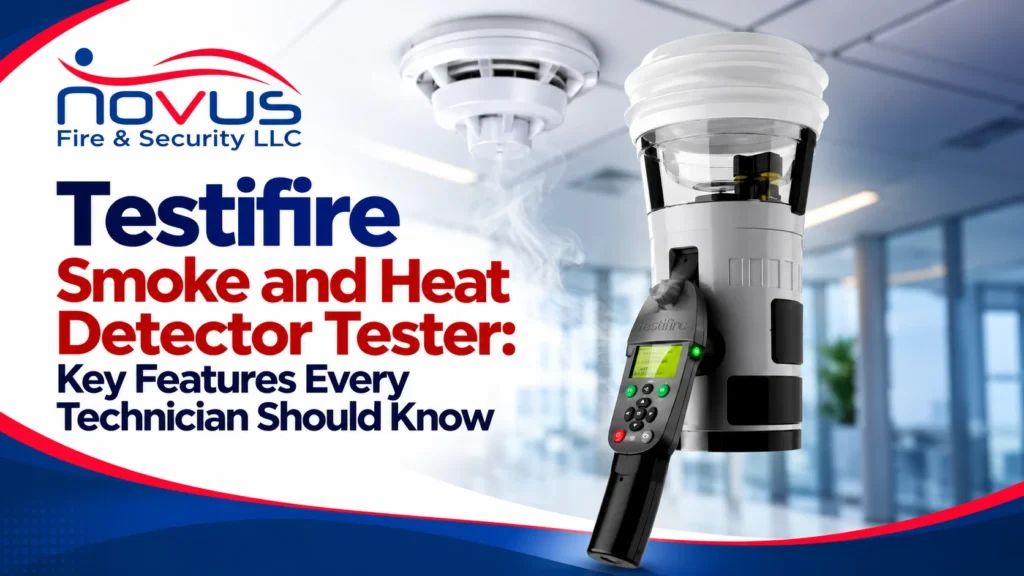
Testing smoke and heat detectors is an important part of maintaining fire alarm systems in commercial buildings, industrial facilities, hotels, hospitals, and other occupied environments. Technicians need suitable equipment to verify detector response, follow manufacturer instructions, identify potential faults, and maintain accurate service records.
A combined detector testing device can support maintenance teams that work with different detector types. The Testifire Smoke and Heat Detector Tester is designed for testing compatible smoke and heat detectors using the appropriate test methods. Understanding its features, compatibility, operating requirements, and limitations helps technicians decide whether it suits their maintenance tasks.
Before selecting any detector testing equipment, technicians should confirm the exact product model, supported detector types, manufacturer instructions, and applicable fire safety requirements. Correct equipment selection and consistent testing procedures are essential for obtaining meaningful results.
What Should Technicians Know About a Testifire Tester?
A Testifire smoke and heat detector tester is a specialised tool intended to test compatible fire detectors using manufacturer-specified procedures. Depending on the model and configuration, combined testing equipment can support smoke and heat testing through a single device.
Key considerations for technicians include:
- Detector compatibility: Confirm that the tester supports the specific detector models and technologies in the building.
- Testing functions: Check which smoke and heat test functions the selected model provides.
- Controlled testing: Follow the prescribed test method and operating instructions for each detector.
- Ease of use: Consider handling, setup, access requirements, and suitability for the work environment.
- Maintenance and support: Review inspection, servicing, accessories, and technical support requirements.
- Documentation: Record the test results, faults identified, and any corrective actions taken.
A combined tester does not automatically work with every detector or replace a complete fire alarm inspection. Technicians must verify product specifications and follow applicable standards and site procedures.
1. Understanding Combined Smoke and Heat Detector Testing
Smoke detectors and heat detectors respond to different fire characteristics. Smoke detectors are designed to respond to smoke particles, while heat detectors respond to temperature conditions or temperature changes according to their design.
Because the sensing methods differ, testing procedures must also be appropriate for the detector type. Using the wrong testing method may produce unreliable results or damage the device.
A combined testing system can be useful when a maintenance team needs to assess compatible smoke and heat detectors during planned inspections. Instead of managing separate tools for every supported test function, technicians may be able to use one compatible platform with the appropriate configuration.
However, the suitability of a combined device depends on its specifications, the detector technology, and the manufacturer’s approved procedure. Some detectors have specialised requirements, so technicians should never assume that a combined tester supports every model.
2. Key Features of the Testifire Smoke and Heat Detector Tester
When evaluating the Testifire Combined Smoke Heat testing solution, technicians should focus on documented capabilities and practical requirements rather than relying only on product descriptions.
Combined testing capabilities
A compatible combined tester may support testing for more than one detector characteristic using the same equipment platform. This can simplify equipment planning for service teams that maintain mixed detector installations. Always check the exact model specifications to determine which test functions are supported and whether additional accessories are needed.
Compatibility with detector types
Compatibility is one of the most important selection criteria. Detector manufacturers may use different sensing technologies, operating characteristics, and test requirements. Before use, confirm that the equipment is suitable for the installed detector model. Review the product compatibility information and the detector manufacturer’s instructions to establish the correct testing procedure.
Practical handling and access
Technicians may need to test detectors in corridors, plant rooms, offices, warehouses, or other locations with different access conditions. Equipment weight, dimensions, handling, and required accessories can affect how convenient it is to use. Consider the working environment and any approved access equipment required for safe testing. Follow site procedures when working at height or in occupied areas.
Repeatable testing procedures
Consistent testing helps technicians follow a defined maintenance process and compare results across inspections. The tester should be operated according to its instructions, with the appropriate method used for each detector. Repeatability also depends on technician training, equipment condition, detector compatibility, and compliance with the specified procedure.
3. Why Choose a Testifire Combined Detector Tester?
A Testifire Combined Detector Tester may be worth evaluating when a maintenance team needs to test compatible smoke and heat detectors across multiple locations.
Potential advantages of a suitable combined system include:
- Managing supported testing functions through one equipment platform.
- Simplifying equipment selection for mixed detector installations.
- Supporting a more consistent maintenance workflow.
- Reducing the need to carry separate tools for every supported function.
- Helping technicians organise planned inspection activities.
These advantages depend on the actual model, its supported functions, and the work being performed. A combined device may not be the most appropriate option for every detector installation, so compare its capabilities with your existing equipment and maintenance requirements. Before purchasing, ask for documented compatibility information, operating instructions, warranty terms, servicing options, and details about any additional accessories.
4. Understanding Testifire Smoke Heat Testing Equipment Requirements
Choosing Testifire Smoke Heat Testing Equipment involves more than confirming that it can test two detector characteristics. Technicians should consider the intended application, testing environment, and requirements of the fire alarm system.
Review the following before starting a test:
- Identify the installed detector and confirm the manufacturer’s specified testing method.
- Check that the tester model and any required accessories are compatible.
- Inspect the testing equipment for visible damage or maintenance issues.
- Review site procedures for notifications, system isolation where authorised, and management of temporary impairments.
- Carry out the test according to the approved instructions.
- Confirm the expected detector and control panel response.
- Record the result and report any unexpected behaviour.
- Ensure the system is restored to its required operating condition after testing.
These are general maintenance considerations rather than a replacement for model-specific instructions. Testing should be performed by appropriately trained personnel in accordance with applicable requirements.
5. Using a Testifire Fire Alarm Detector Tester Safely
A Testifire Fire Alarm Detector Tester should be used only for supported applications and according to the manufacturer’s instructions. Correct handling protects the equipment, supports valid test results, and helps reduce avoidable risks during maintenance.
Before use, technicians should check:
- Whether the selected model supports the installed detector.
- Whether the device requires particular accessories or preparation.
- The manufacturer’s instructions for the relevant test function.
- Any equipment inspection, servicing, or calibration requirements.
- Site rules for working at height and in occupied spaces.
- Procedures for handling alarms, isolations, and system restoration.
Never use an improvised testing method or apply uncontrolled heat or smoke to a detector. If the result is unexpected, investigate the equipment, detector, system, and procedure before deciding what corrective action is required.
Testing equipment does not replace other maintenance activities, such as visual inspection, control panel checks, examination of wiring where required, and verification that the complete fire alarm system operates as intended.
6. How a Combined Smoke and Heat Detector Testing Tool Supports Maintenance
A Combined Smoke and Heat Detector Testing Tool can help maintenance teams organise testing when it supports the installed detector models and the required test procedures.
For facilities with many detectors, a structured process is particularly important. Technicians need to know which devices have been tested, which tests were performed, and whether any defects require further investigation.
A good maintenance workflow should include:
- An up-to-date record of detector locations and identification numbers.
- A planned schedule based on applicable requirements.
- Equipment compatibility checks before testing.
- Documented results for each tested detector.
- Clear reporting of failed tests or abnormal responses.
- Follow-up actions and confirmation that defects have been addressed.
- Verification that the fire alarm system has been returned to normal operation.
Using appropriate testing equipment alongside clear records can improve the organisation of maintenance activities. It also helps responsible personnel identify repeated faults and plan future inspections.
7. What to Check Before Buying Testifire Detector Testing Equipment
When comparing Testifire Detector Testing Equipment, technicians and procurement teams should assess the complete requirements of their operation.
Product specifications: Confirm supported detector types and the precise testing functions offered by the model.
Compatibility documentation: Obtain reliable confirmation that the tester is suitable for the devices in your buildings.
Accessories and consumables: Check which components are included and whether additional items are needed for your applications.
Training requirements: Determine whether technicians need product training or competency assessment before use.
Service and warranty: Review warranty conditions, servicing availability, spare parts, and technical support.
Total ownership cost: Consider the purchase price together with accessories, maintenance, replacement parts, and expected service life.
Supplier reliability: Look for clear product information, accurate documentation, and responsive support.
Avoid purchasing based only on a broad claim that the device works with all fire detectors. Verify compatibility for the specific detector models you maintain.
8. Choosing a Smoke and Heat Detector Testing Device for Your Team
A Smoke and Heat Detector Testing Device should match your team’s actual maintenance needs. A contractor servicing several detector brands may require different capabilities from a facility team that maintains a single system.
Before making a decision, prepare a list of installed detector models, expected testing tasks, access requirements, and applicable maintenance standards. Compare the available testing equipment against that list.
Ask suppliers about supported detector types, product limitations, instructions, training, warranty, and technical assistance. If a demonstration is available, use it to assess whether the equipment suits the technicians’ workflow and the site’s operating conditions.
Novus Fire and Security LLC can be included in your research when comparing fire safety equipment suppliers. Evaluate available products against your documented technical requirements and confirm specifications directly before purchasing.
9. Selecting a Testifire Fire Detector Tester for Reliable Results
A Testifire Fire Detector Tester should be selected based on its documented capabilities, compatibility, and suitability for the intended maintenance programme.
Technicians should understand that reliable test results depend on several factors: correct equipment, an approved procedure, appropriate detector condition, trained personnel, and accurate recording. No testing tool alone guarantees that an entire fire alarm system will operate correctly during an emergency.
Review the applicable maintenance requirements, use the tester as instructed, investigate abnormal results, and document corrective work. When a detector fails a test, follow the approved process for further investigation, repair, or replacement.
For larger facilities, consistent procedures and clear responsibilities can help ensure that defects are escalated and that system impairments are properly managed.
Conclusion
The Testifire smoke and heat detector testing approach is worth understanding for technicians who maintain compatible fire detection systems. Key considerations include supported detector types, available test functions, handling, safety, documentation, servicing, and technical support. Before purchasing or using a combined tester, verify the exact model specifications and follow the detector manufacturer’s instructions and applicable fire safety requirements.
Pair suitable equipment with trained personnel, consistent maintenance procedures, and accurate records to support dependable fire alarm maintenance. Novus Fire and Security LLC is one supplier to research when comparing equipment options. Choose based on verified compatibility, technical suitability, and support—not just product descriptions or price.
FAQs
Q1. What is a Testifire Smoke and Heat Detector Tester?
A1. It is a specialised testing device designed to test compatible smoke and heat detectors using the appropriate manufacturer-specified procedures. Supported functions depend on the exact model and configuration.
Q2. What features should a Testifire Combined Detector Tester have?
A2. Review detector compatibility, available test functions, operating instructions, handling requirements, maintenance needs, accessories, and technical support.
Q3. How do I choose Testifire Detector Testing Equipment?
A3. Identify the detector models you maintain, confirm compatibility, review the required testing methods, and compare product documentation, servicing options, and total ownership costs.
Q4. Can a Combined Smoke and Heat Detector Testing Tool test every detector?
A4. No. Compatibility varies by detector model and technology. Always confirm the tester’s documented capabilities and follow the detector manufacturer’s instructions.