Testifire Smoke and Heat Detector Tester: Key Features Every Technician Should Know
October 1, 2026
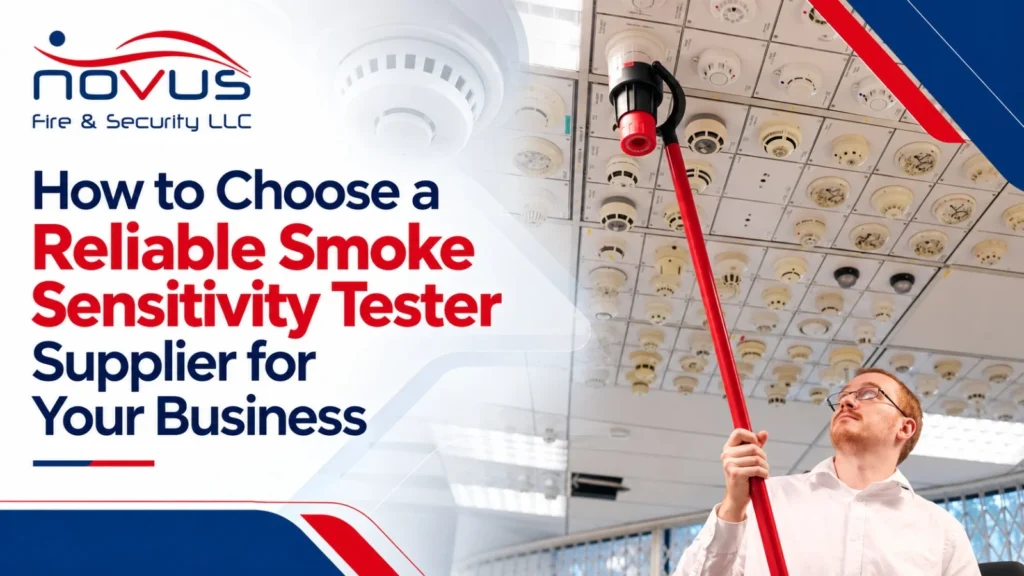
How to Choose a Reliable Smoke Sensitivity Tester Supplier for Your Business
October 13, 2026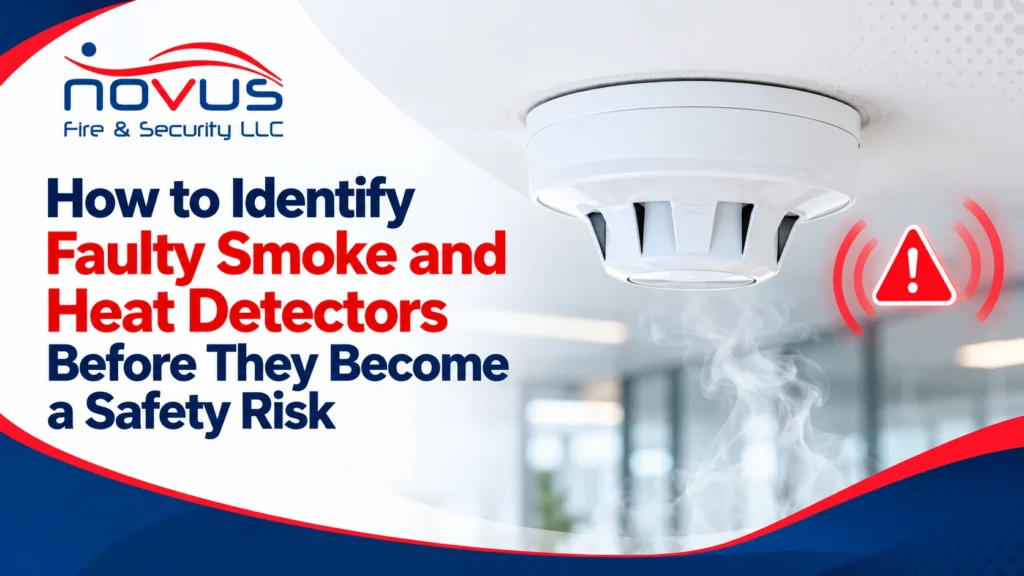
Smoke and heat detectors are important components of a building’s fire alarm system. They help detect signs of a potential fire and provide an alert so that occupants can respond promptly. However, a detector that is damaged, contaminated, incorrectly installed, or unable to respond as intended may compromise the effectiveness of the overall fire protection system.
Regular inspection and functional testing help identify potential problems before they become serious safety concerns. In Egypt, commercial buildings, hotels, hospitals, warehouses, offices, and industrial facilities should maintain appropriate inspection procedures based on their fire risk, system design, applicable regulations, and manufacturer recommendations.
Understanding warning signs is useful, but visual inspection alone cannot confirm that a detector works correctly. Qualified technicians should use compatible testing equipment, follow approved procedures, and document the results. A systematic approach helps building managers address faults, arrange repairs, and maintain fire detection systems in a suitable operating condition.
How Can You Identify a Faulty Smoke or Heat Detector?
A potentially faulty detector may show visible damage, contamination, persistent fault indications, an unexpected response, or failure during an approved functional test. Some faults, however, may not be apparent without testing.
Key steps include:
- Inspect the detector: Look for physical damage, heavy dust, paint, obstruction, or other visible issues.
- Check the control panel: Review fault messages, device indications, and any abnormal system behaviour.
- Use suitable testing equipment: Have a qualified technician test the detector using the manufacturer-approved method.
- Review the results: Compare the detector’s response with the expected operation.
- Document defects: Record the location, fault, test result, and required corrective action.
- Restore protection: Ensure the system is returned to its required operating condition after maintenance.
Never rely on a detector’s indicator light alone to confirm correct operation. Follow the manufacturer’s instructions and applicable fire safety requirements.
1. Understand the Difference Between Smoke and Heat Detectors
Before identifying faults, it is important to understand how the two detector types work. Smoke detectors are designed to respond to smoke particles associated with a fire. Depending on their technology, they may be affected by contamination, environmental conditions, or other factors that interfere with their sensing mechanism. Heat detectors respond to specified temperature conditions or changes in temperature, depending on their design.
They are used in locations where heat detection is appropriate for the fire risk and environment. Although both types contribute to fire detection, their testing methods are not necessarily interchangeable. A smoke detector tester designed for a particular smoke-sensing technology may not be suitable for testing a heat detector.
Technicians should identify the detector model, check the manufacturer’s instructions, and select testing equipment that is specifically compatible with the installed device. Using an unsuitable tool or an improvised testing method may lead to unreliable results or equipment damage.
2. Look for Visible Signs of Detector Damage
Visual inspection is an important first step in routine fire alarm maintenance. It can reveal conditions that may affect detector operation or indicate that further investigation is needed.
Look for the following warning signs:
- Cracked, loose, or physically damaged detector housings.
- Heavy dust, dirt, or other contamination.
- Paint or decorative material covering sensing openings.
- Obstructions that may interfere with the detector’s intended operation.
- Signs of moisture, corrosion, or environmental damage.
- Missing components or evidence of unauthorised modification.
- Detectors that appear loose or incorrectly positioned.
A damaged or contaminated detector should be assessed according to the manufacturer’s guidance. Cleaning, repair, or replacement may be required depending on the condition and device specifications.
Do not open, modify, or clean a detector using an unapproved method. Some devices require specialist servicing or replacement rather than routine cleaning. A visual inspection should also be followed by appropriate functional testing when required.
3. Check the Fire Alarm Control Panel for Fault Indications
The fire alarm control panel provides important information about the system’s condition. Depending on the system, it may display device faults, communication issues, wiring problems, power supply warnings, or other abnormal conditions.
Technicians should review panel indications and identify the affected detector or circuit. A fault indication does not always mean that the detector itself is defective. The underlying cause could involve wiring, connections, communication, configuration, or another part of the system.
During inspection, qualified personnel should:
- Record the exact fault message or indicator.
- Identify the affected device or circuit using the system documentation.
- Review the manufacturer’s troubleshooting guidance.
- Investigate the cause using approved procedures.
- Document the findings and corrective work.
Never ignore persistent fault indications or reset a panel repeatedly without investigating the cause. Follow the site’s authorised procedures for handling alarms, faults, and any temporary impairment of fire protection.
4. Use a Smoke Detector Tester to Check Functional Response
A detector may look clean and undamaged but still fail to respond correctly. This is why functional testing is important. A suitable smoke detector tester provides the specified test stimulus for compatible smoke detectors. The exact equipment and method depend on the detector technology and manufacturer’s instructions.
Testing should be carried out by trained personnel who understand the system and the potential impact of activating detectors. The technician should confirm that the selected tester is compatible, inspect the equipment, follow the prescribed procedure, and verify the expected detector and control panel response.
If the detector does not respond as expected, the technician should investigate the result. Possible causes include a defective detector, an unsuitable testing method, incompatible equipment, or a system-related issue. A failed test should be recorded and addressed promptly according to the maintenance procedure. Do not assume that a detector is safe to leave in service simply because it looks normal or its indicator light is illuminated.
5. Identify Heat Detector Problems With Appropriate Testing Equipment
Heat detectors require testing methods suited to their operating characteristics. A suitable testing device should create the test conditions specified by the manufacturer without exposing the detector to an uncontrolled or excessive heat source.
During maintenance, technicians should confirm the detector model and select compatible equipment. They should also review any restrictions on testing, required accessories, and precautions for nearby occupants or equipment.
Possible warning signs include a detector that fails to respond during an approved test, abnormal panel indications, visible damage, or repeated faults. However, the cause must be investigated rather than assumed.
A test result can be affected by equipment compatibility, procedure, environmental conditions, and the condition of the detector. When the outcome is unexpected, follow the approved troubleshooting process before deciding whether the detector requires further inspection, repair, or replacement. Never use open flames, improvised heat sources, or unapproved techniques to test a heat detector.
6. When to Use a Combined Smoke and Heat Detector Tester
Facilities that maintain both smoke and heat detectors may benefit from equipment designed to support more than one detector type. A Combined Smoke and Heat Detector Tester can help technicians manage compatible testing tasks through one equipment platform.
However, combined functionality does not mean universal compatibility. Different detector models and sensing technologies may require specific test methods or accessories.
Before choosing a combined tester, confirm:
- The exact detector models supported.
- Which smoke and heat testing functions are available.
- The manufacturer’s approved testing procedures.
- Required accessories and operating limitations.
- Equipment inspection, servicing, and maintenance requirements.
- The training needed for correct use.
A suitable Smoke and Heat Detector Testing Tool can support an organised maintenance workflow when used correctly. It does not replace visual inspection, control panel checks, investigation of wiring or system faults, or testing of the wider fire alarm system as required.
7. Understand Why Regular Testing Matters in Egypt
Buildings in Egypt may have different environmental and operational conditions depending on their location and use. Dust, construction activity, industrial processes, humidity, temperature variation, and maintenance practices can all influence the condition of fire detection equipment.
These conditions do not affect every detector in the same way, so maintenance should be based on the actual installation and the manufacturer’s recommendations rather than general assumptions. Building owners and facility managers should establish a maintenance schedule that reflects the building’s risk assessment, applicable local requirements, system design, and device instructions.
For facilities searching for a solo smoke detector tester in Egypt, it is important to confirm that the specific product and accessories suit the detectors installed at the site. Buyers should check product specifications, compatibility documentation, operating instructions, and local technical support before purchasing. Reliable testing equipment, trained technicians, and documented maintenance procedures work together to support effective fire detection.
8. Maintain Clear Inspection and Testing Records
Testing is most useful when the results are recorded accurately and defects are followed up. Maintenance records help facility managers understand the condition of the system and identify recurring issues.
Records should include, where applicable:
- Building, floor, and detector location.
- Detector identification and model.
- Inspection and testing date.
- Testing equipment and procedure used.
- Expected and observed response.
- Faults or abnormal indications.
- Corrective actions and outstanding work.
- Technician details and follow-up requirements.
The exact documentation requirements depend on applicable regulations, standards, contracts, and the building’s maintenance procedures. If a detector fails a test, record the issue and follow the approved process for repair or replacement. If the system must be temporarily impaired, use the site’s authorised safety procedures, notify responsible personnel, and ensure the required protection is restored.
9. Choosing Smoke and Heat Detector Testing Equipment in Egypt
When selecting testing equipment, focus on technical suitability rather than choosing a product based on price alone. The tool must support the installed detector models and provide the test conditions required by the manufacturer.
If you are researching a Smoke and Heat Detector Tester Egypt supplier, compare product compatibility, documentation, warranty terms, service availability, accessories, and technical support. Ask for confirmation of supported detector types before purchasing.
Facilities considering the Testifire Smoke and Heat Detector Tester Egypt market should verify the exact model and its documented functions rather than assuming every version supports identical capabilities. Product availability, local support, and compatibility should be confirmed directly with the supplier or manufacturer.
Novus Fire and Security LLC can be included in your research when comparing fire safety equipment suppliers. Evaluate the available equipment against your technical requirements, maintenance procedures, and support needs before making a purchasing decision.
Conclusion
Identifying faulty smoke and heat detectors requires a combination of visual inspection, control panel checks, compatible functional testing, and accurate recordkeeping. Warning signs such as physical damage, contamination, persistent faults, or failure during an approved test should be investigated promptly.
Use equipment designed for the specific detector, follow manufacturer instructions, and ensure that testing is performed by qualified personnel. A planned maintenance programme helps building managers identify defects, arrange corrective action, and restore fire protection after maintenance.
For organisations reviewing equipment options, Novus Fire and Security LLC is one supplier to research alongside other suitable providers. Confirm product specifications and local requirements before purchasing, and never leave a fire alarm system impaired without following the authorised safety procedures.
FAQs
Q1. How can you identify a faulty smoke or heat detector?
A1. Look for visible damage, contamination, persistent control panel fault indications, or failure during an approved functional test. Some faults are not visible, so qualified technicians should perform the required checks.
Q2. When should you use a Combined Smoke and Heat Detector Tester?
A2. Use one when it is compatible with the installed smoke and heat detectors and supports their manufacturer-approved testing procedures. Verify the exact model specifications before use.
Q3. How do I choose a Smoke and Heat Detector Testing Tool in Egypt?
A3. Check detector compatibility, supported testing functions, operating instructions, required accessories, servicing options, and local technical support.
Q4. How often should smoke and heat detectors be tested?
A4. Follow the applicable fire safety requirements, system maintenance plan, and detector manufacturer’s instructions. Testing frequency can vary by installation, building use, and local regulations.