How to Choose the Right Solo Testing Equipment for Smoke Detector Maintenance
September 12, 2026
Smoke & Heat Detector Testing Equipment Buying Guide for Fire Safety Teams
September 17, 2026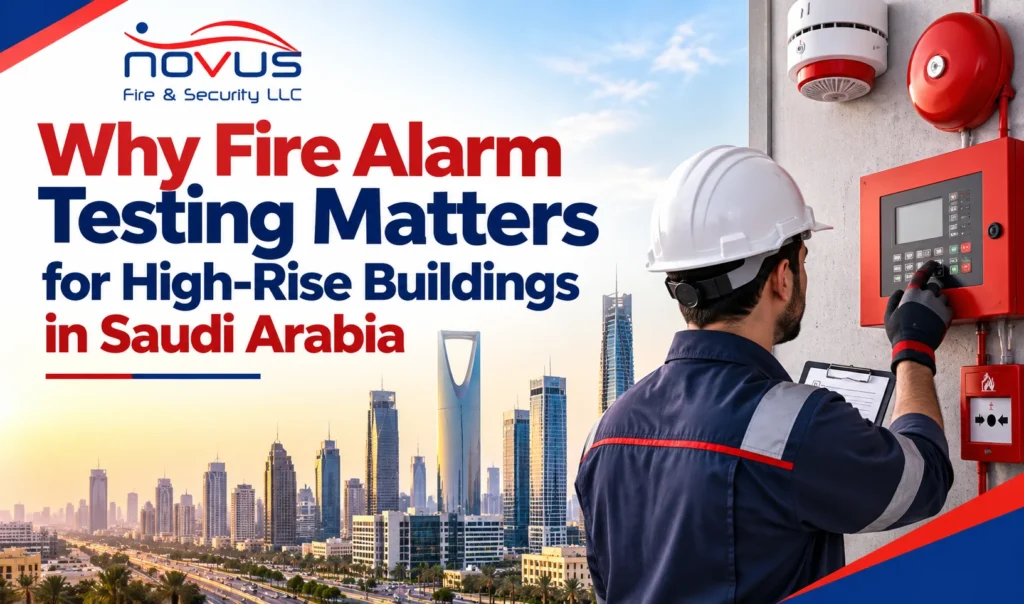
High-rise buildings require reliable fire protection systems because a fire emergency can become more complex as the number of floors, occupants, electrical systems, and enclosed spaces increases. A fire alarm system is an important part of a building’s overall safety strategy because it is designed to detect and communicate potential fire conditions so that occupants and emergency responders can take appropriate action.
Regular Fire Alarm Testing helps identify faults, damaged components, communication problems, and other issues that could affect system performance. For high-rise properties in Saudi Arabia, maintaining fire protection systems is particularly important because Saudi Civil Defense publishes specific fire-protection requirements and regulations for different building categories, including high-rise buildings. Saudi Civil Defense defines a high-rise building as one with an occupied floor more than 23 meters above the lowest level accessible to Civil Defense teams.
Why Is Fire Alarm Testing Important in High-Rise Buildings?
Fire alarm testing matters because it helps verify that detection, notification, control, and related components are operating as intended.
Key reasons include:
- Detecting faults before an emergency
- Checking smoke and heat detection devices
- Verifying audible and visual notification
- Confirming communication with the fire alarm control panel
- Identifying damaged or disconnected components
- Supporting planned fire safety maintenance
- Maintaining records of testing and corrective actions
- Supporting compliance with applicable Saudi requirements
Saudi Civil Defense requirements indicate that fire alarm and firefighting equipment in relevant building categories must be designed, implemented, and maintained according to applicable requirements and Civil Defense guidance. Testing should therefore be treated as an ongoing part of fire safety management rather than a one-time activity.
1. High-Rise Buildings Have More Complex Fire Safety Requirements
A high-rise building can contain numerous floors, offices, apartments, commercial areas, equipment rooms, parking levels, service spaces, and other areas with different fire risks. Saudi Civil Defense regulations specifically include requirements addressing high-rise buildings, and building safety provisions can vary according to occupancy, height, construction type, and other factors. Because of this complexity, fire alarm systems need systematic inspection and testing rather than occasional visual checks. A structured testing program can help building owners and facility managers identify issues before they affect the availability of the fire alarm system.
2. Fire Alarm Testing Helps Identify Hidden Faults
A fire alarm system may appear normal from the outside while individual components have developed problems.
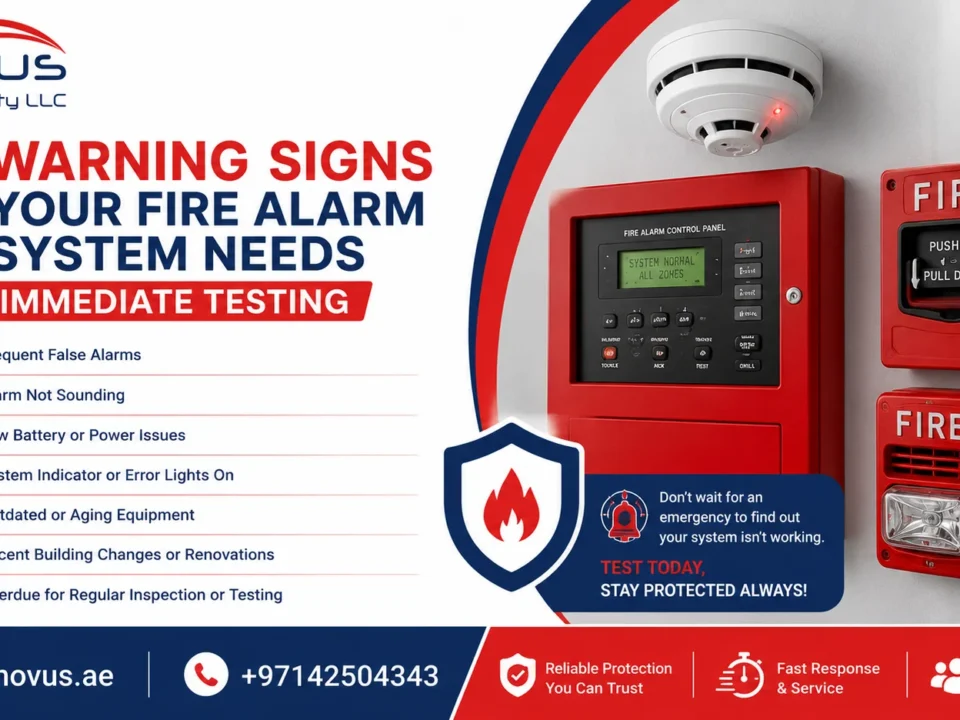
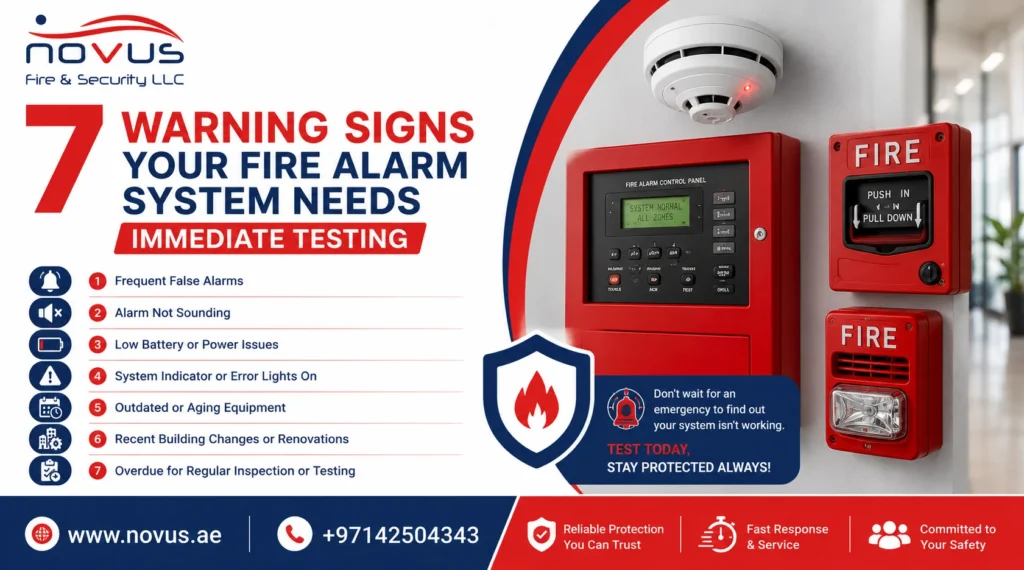
Potential issues can include:
- Faulty detectors
- Damaged manual call points
- Notification appliance problems
- Wiring faults
- Power supply issues
- Battery problems
- Communication failures
- Control panel faults
- Environmental contamination around detectors
Regular Fire Alarm System Testing can help identify these problems and provide an opportunity for corrective action. The exact testing procedure should follow the manufacturer’s instructions, applicable standards, system design, and requirements of the relevant authorities.
3. Testing Smoke and Heat Detection Devices
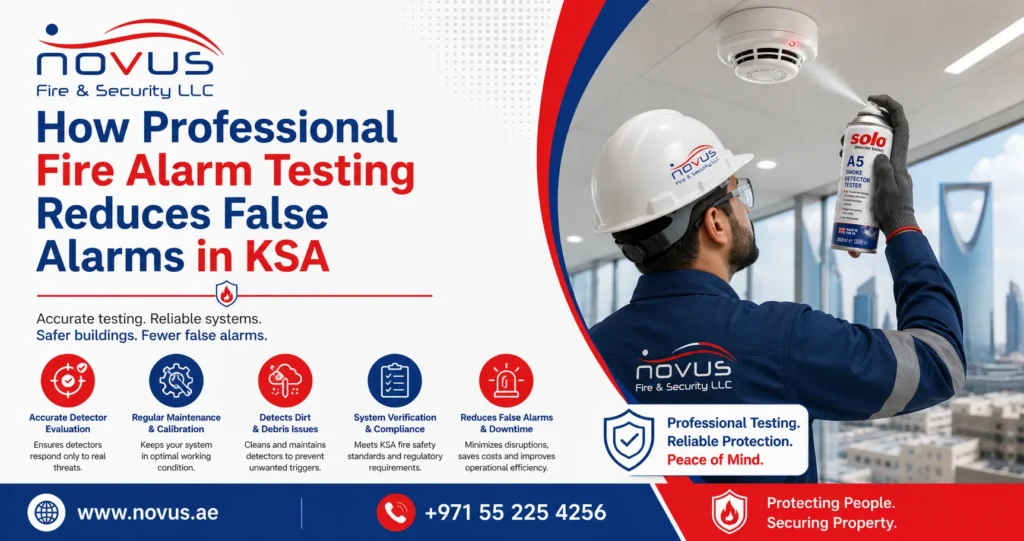
Smoke and heat detectors are important components of many fire alarm systems. Over time, detectors may be affected by dust, environmental conditions, physical damage, aging, or other factors. A detector that is not operating correctly may affect the system’s ability to identify a fire condition. A proper Fire Alarm Inspection and Testing program should therefore consider the condition and operation of detection devices as well as the broader alarm system. Testing frequency and procedures should be determined according to the applicable system requirements and professional guidance rather than using the same schedule for every building.
4. Notification Is Just as Important as Detection
Detecting a potential fire is only one part of the emergency response process. Occupants also need to receive appropriate notification. Depending on the building and system design, notification may involve:
- Audible alarms
- Visual notification devices
- Voice evacuation systems
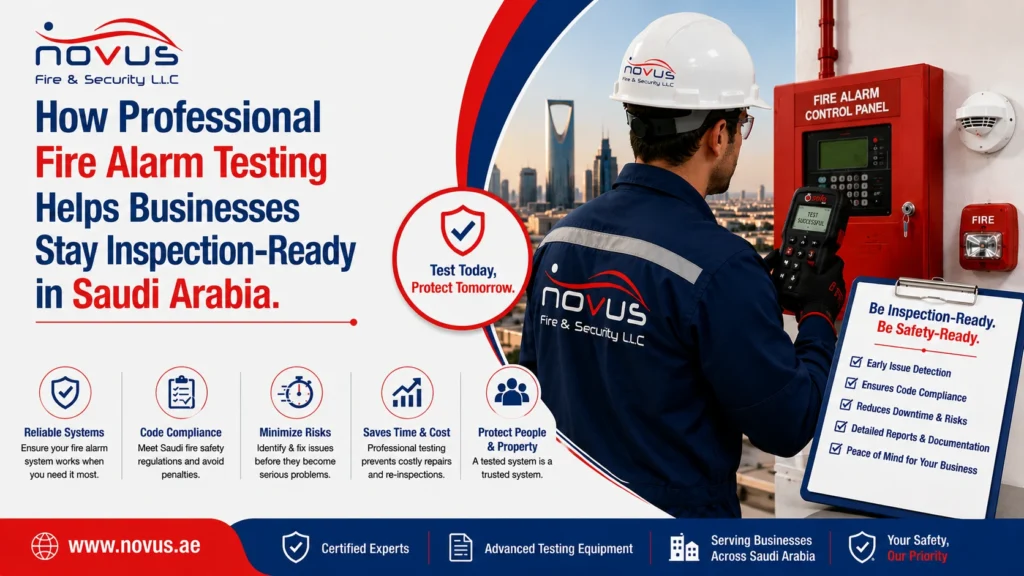
- Fire alarm control panels
- Emergency communication systems
A testing program should verify that relevant notification components operate as intended. In high-rise buildings, effective notification can be particularly important because occupants may be distributed across many floors and evacuation arrangements can be more complex.
5. Fire Alarm Testing Supports Preventive Maintenance
Testing and maintenance are closely connected. A test may reveal a fault that requires cleaning, adjustment, repair, replacement, or further investigation. Without follow-up, identifying a problem does not improve system reliability. This is why Fire Alarm Testing and Maintenance should be managed as part of a broader preventive fire-safety program. Saudi Civil Defense materials also emphasize maintenance requirements for safety systems. For example, the Safety Portal lists a valid maintenance contract for safety systems among documents associated with safety licensing services. Building owners should maintain appropriate records of inspections, tests, identified faults, repairs, and follow-up actions.
6. Professional Fire Alarm Testing Requires Suitable Equipment
Testing should be carried out using equipment appropriate for the type of fire alarm system and device being evaluated. Fire Alarm Testing Equipment can include specialized tools designed to assess different components of a fire detection and alarm system.
Depending on the system, professionals may use equipment for testing:
- Smoke detectors
- Heat detectors
- Manual call points
- Audible notification devices
- Visual indicators
- Control panels
- Power supplies
- Related system components
The correct equipment depends on the manufacturer’s specifications and the type of installed system. Using unsuitable testing methods can produce unreliable results or potentially damage sensitive equipment.
7. Testing Helps Facility Teams Manage Fire Safety Risks
Facility managers are responsible for coordinating many aspects of building operations. Fire alarm testing provides documented information that can help them identify maintenance requirements and prioritize corrective work.
A structured testing program can provide records showing:
- Which devices were tested
- When testing occurred
- Whether faults were identified
- What corrective actions were required
- Whether repairs were completed
- When follow-up testing was performed
Good documentation can make it easier to track recurring faults and identify components that may require replacement or further investigation.
8. High-Rise Buildings Require Coordinated Safety Systems
A fire alarm system does not operate in isolation. High-rise buildings can include other fire and life-safety systems such as sprinklers, emergency lighting, smoke-control systems, fire pumps, fire department connections, and fire command facilities. The Saudi Building Code includes dedicated sections covering emergency alarm systems, smoke-control systems, fire command centers, fire department connections, fire pumps, and emergency responder safety features.
This highlights why fire alarm testing should be considered within the wider building fire-safety strategy. Where systems are interconnected, testing and verification should account for the intended interfaces and system design.
9. Choosing the Right Fire Alarm Testing Company
Selecting a competent service provider is an important part of maintaining a fire alarm system. When evaluating a Fire Alarm Testing Company, building owners and facility managers should consider:
- Relevant technical experience
- Familiarity with installed fire alarm systems
- Qualified personnel
- Appropriate testing equipment
- Documentation procedures
- Maintenance capabilities
- Understanding of applicable Saudi requirements
- Response and corrective-maintenance capabilities
Saudi Civil Defense provides information about accredited safety companies and technical service providers through its official safety services resources. For a high-rise property, the service provider should be able to clearly explain the scope of testing, reporting, corrective actions, and follow-up.
10. Why Regular Testing Is Better Than Waiting for a Fault
Waiting until an alarm panel displays a fault or an emergency occurs is not an effective maintenance strategy. A planned testing schedule can help identify issues earlier and provide facility teams with an opportunity to address them before they become more significant.
The frequency and scope of testing should be based on the applicable regulations, system design, manufacturer instructions, occupancy, risk profile, and relevant standards. For organizations looking for professional fire safety support, Novus Fire and Security LLC can be considered when comparing providers for fire alarm testing, inspection, maintenance, and related fire-safety requirements.
What Should a Fire Alarm Testing Program Cover?
A comprehensive program should be tailored to the building and installed system. Depending on the requirements, it may cover:
| Area | What to Review |
|---|---|
| Detectors | Smoke and heat detection devices |
| Manual Devices | Manual call points and related components |
| Notification | Audible and visual alarm devices |
| Control Panel | Alarm, trouble and supervisory indications |
| Power | Primary and backup power arrangements |
| Wiring | Relevant connections and system circuits |
| Interfaces | Connections to other safety systems |
| Documentation | Test records and identified faults |
| Maintenance | Corrective actions and follow-up |
| Equipment | Suitability and condition of testing tools |
Final Thoughts
Fire alarm systems are an important part of fire protection in high-rise buildings. Regular testing can help identify faults, verify system operation, support preventive maintenance, and provide facility teams with useful records about system condition. In Saudi Arabia, fire-protection requirements are shaped by Saudi Civil Defense regulations and the Saudi Building Code, with requirements varying according to building type, occupancy, height, and other factors.
A well-planned program should combine Fire Alarm Testing, inspection, maintenance, suitable testing equipment, qualified personnel, accurate documentation, and timely corrective action. For businesses and facility managers evaluating fire alarm service providers, Novus Fire and Security LLC can be included in the comparison based on the building’s system requirements, testing scope, maintenance needs, and applicable Saudi requirements.
Frequently Asked Questions
Q1. What is Fire Alarm Testing?
Fire Alarm Testing is the systematic evaluation of fire alarm system components and functions to determine whether they operate as intended according to the applicable system requirements.
Q2. Why is Fire Alarm System Testing important in high-rise buildings?
It can help identify faults in detection, notification, control, power, and related components before an emergency occurs. High-rise buildings can have more complex systems and larger numbers of occupants.
Q3. How often should Fire Alarm Inspection and Testing be performed?
The appropriate frequency depends on the building, fire alarm system, manufacturer requirements, applicable standards, occupancy, risk factors, and local regulatory requirements. A qualified professional should establish the appropriate schedule.
Q4. What is included in Fire Alarm Testing and Maintenance?
Depending on the system, it may include inspection, functional testing, fault identification, cleaning or replacement of components where required, repairs, documentation, and follow-up testing.
Q5. What Fire Alarm Testing Equipment is commonly used?
Testing equipment varies according to the type of fire alarm devices installed. Specialized tools may be used for smoke detectors, heat detectors, manual call points, notification devices, and other system components.
Q6. How do I choose a Fire Alarm Testing Company in Saudi Arabia?
Consider technical experience, qualified personnel, suitable testing equipment, documentation practices, maintenance capabilities, and familiarity with applicable Saudi fire-safety requirements.
Q7. Does testing guarantee that a building is compliant?
No. Testing alone does not guarantee overall compliance. Compliance depends on the building’s complete fire-protection design, installation, maintenance, documentation, applicable regulations, and other requirements.
Q8. Why should fire alarm testing records be maintained?
Records can help facility teams track completed tests, identified faults, repairs, and follow-up actions. They can also support organized fire-safety management and maintenance