How to Choose the Right Smoke Detector Test Aerosol for Different Testing Requirements
September 9, 2026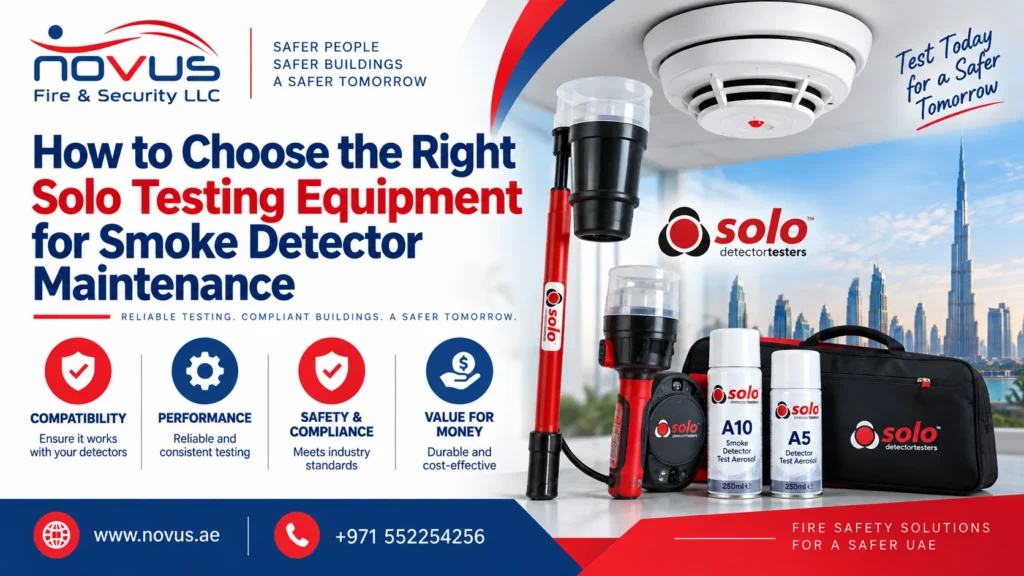
Regular smoke detector maintenance is essential for keeping fire detection systems reliable and ready to respond when needed. During maintenance, technicians need suitable testing tools that can help verify whether compatible smoke detectors respond correctly to a controlled test stimulus. Choosing the right solo testing equipment involves more than selecting a dispenser or aerosol. Technicians should consider detector compatibility, tester design, accessibility, testing frequency, replacement consumables, safety information, and manufacturer recommendations.
The right equipment can make routine testing more practical while helping reduce unnecessary contamination or damage to detectors. Whether you maintain a commercial building, industrial facility, office, hotel, healthcare property, or other premises, selecting appropriate testing equipment can improve the consistency of your maintenance procedures.
How Do You Choose Solo Testing Equipment?
The right Solo testing equipment should match the smoke detector type, testing method, manufacturer requirements, and working environment.
Before purchasing, consider:
- Detector compatibility: Make sure the tester is suitable for the detector being tested.
- Testing method: Select equipment designed for the required functional testing procedure.
- Accessibility: Consider whether detectors are installed at high or difficult-to-reach locations.
- Consumables: Check the availability and compatibility of testing aerosols or other required accessories.
- Ease of use: Choose equipment that technicians can operate efficiently during routine maintenance.
- Safety: Review product instructions, storage requirements, and safety documentation.
- Long-term value: Consider durability, replacement parts, consumable costs, and supplier support.
A suitable Solo Fire Alarm Testing Equipment setup should support consistent detector testing while following the applicable manufacturer instructions and maintenance procedures.
1. Identify the Type of Smoke Detector
The first step is identifying the type of detector you need to test. Smoke detection systems can use different sensing technologies, and testing requirements may vary between products. Before purchasing Solo Smoke Testing Equipment, check the detector manufacturer’s documentation to understand the recommended testing approach. This is particularly important when maintaining large facilities with different detector models. A testing solution suitable for one detector may not necessarily be appropriate for another. Create an inventory of the detectors in your facility and record their manufacturers and models. This makes it easier to select compatible testing equipment and plan future maintenance.
2. Check Compatibility With the Detector
Compatibility should be one of your main purchasing considerations. The testing equipment should be designed to work with the type and configuration of smoke detectors being maintained. When comparing Solo Smoke Detector Test Equipment, review the manufacturer’s compatibility information rather than choosing solely based on price. Check whether the equipment is intended for the detector models in your facility and whether specific accessories or consumables are required. If you are unsure, consult the detector and tester manufacturers or an experienced fire safety equipment supplier before purchasing.
3. Consider Detector Accessibility
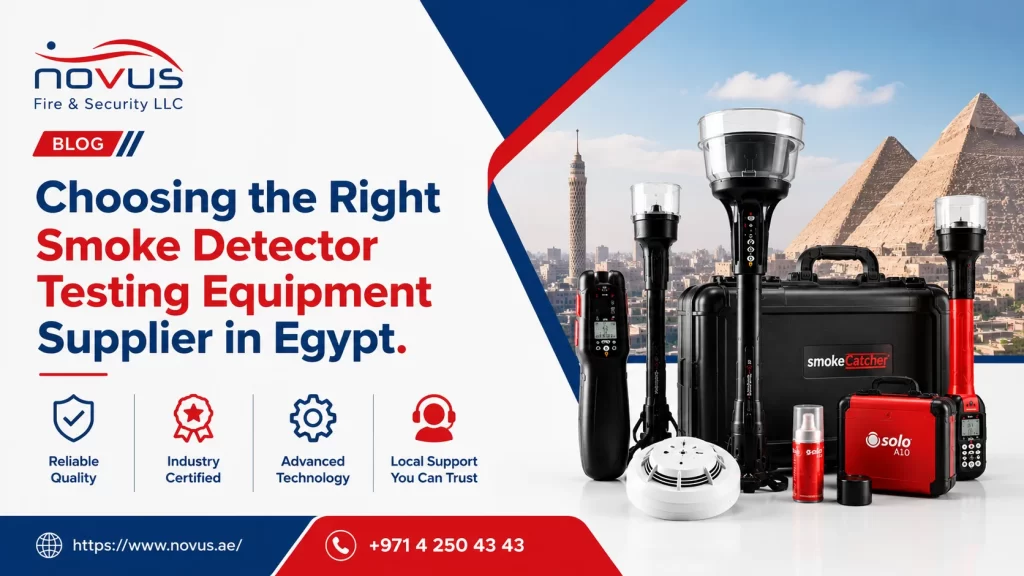
Smoke detectors are frequently installed on ceilings or other elevated locations. Technicians therefore need equipment that makes testing practical without creating unnecessary difficulty. Consider the height and layout of your facility. For standard ceiling-mounted detectors, appropriate tester accessories can help technicians reach the detector during maintenance. For large buildings, hospitals, warehouses, offices, and commercial properties, accessibility can significantly affect the time required for routine inspection and testing. When comparing solo fire testing equipment, look at the complete setup rather than evaluating the main tester alone. Accessories such as poles, cups, extension components, and storage solutions may influence the equipment’s overall practicality.
4. Evaluate the Testing Aerosol
Testing aerosol is an important part of much smoke detector testing systems. It provides a controlled stimulus intended to help verify detector response during an appropriate functional test. When selecting Solo Smoke Testing Equipment, check which aerosol or consumable is recommended for the equipment and detector. A suitable testing aerosol should be intended specifically for smoke detector testing and used according to the manufacturer’s instructions. Avoid substituting unrelated sprays or products that could leave deposits or affect detector performance. Technicians should also check product documentation for storage, handling, and usage information.
5. Look at Ease of Operation
Maintenance teams may need to test numerous detectors during scheduled inspections. Equipment that is straightforward to assemble, handle, and operate can help technicians work more efficiently.
When assessing Solo Fire Alarm Testing Equipment, consider:
- Weight and portability
- Ease of assembly
- Pole handling
- Tester positioning
- Aerosol compatibility
- Replacement accessory availability
- Storage and transportation
Simple operation can be particularly valuable when technicians spend several hours testing detectors across multiple floors or buildings.
6. Consider Testing Frequency
Your testing schedule should influence the type of equipment you choose. A facility with hundreds of smoke detectors may require more frequent maintenance than a small office. If equipment will be used regularly, prioritize durability and the availability of replacement consumables and accessories. For occasional maintenance, portability and storage may be more important. Understanding your expected testing frequency also helps you estimate the long-term operating cost of your testing setup.
7. Review Product Quality and Durability
Fire safety equipment is used in environments where reliability matters. Your tester should be capable of handling routine maintenance work without becoming unnecessarily difficult to use. Look for equipment from established manufacturers with clear product documentation and identifiable replacement components. For businesses sourcing Solo Smoke Detector Test Equipment, it is useful to evaluate the complete product ecosystem, including testers, accessories, consumables, technical information, and supplier support. A lower purchase price may not represent better value if replacement parts are difficult to source or consumables are unavailable.
8. Check Safety and Storage Requirements
Testing aerosols and other maintenance products should always be handled according to their safety documentation and manufacturer’s instructions. Before purchasing solo fire testing equipment, review relevant product instructions and safety information. Pay attention to storage conditions, handling precautions, disposal requirements, and any warnings associated with pressurized aerosol containers. Technicians should also follow the safety procedures applicable to the building and the maintenance activity. Proper storage is particularly important when testing aerosols are kept on service vehicles or in maintenance rooms.
9. Choose a Reliable Supplier
The supplier you choose can be just as important as the equipment itself. Reliable suppliers can help technicians identify compatible products, accessories, and consumables. Novus Fire and Security LLC provides fire alarm testing solutions and related equipment for professional maintenance applications.
When evaluating a supplier, consider:
- Product authenticity
- Manufacturer information
- Compatibility guidance
- Availability of consumables
- Replacement accessories
- Technical support
- Delivery and after-sales service
A supplier that understands fire alarm testing requirements can make it easier to maintain the correct equipment over time.
10. Compare the Total Cost of Ownership
Price should not be the only factor when selecting testing equipment. Instead, consider the total cost over the expected working life of the product.
For example, compare:
| Factor | What to Consider |
|---|---|
| Initial cost | Purchase price of the tester |
| Consumables | Cost and availability of testing aerosols |
| Accessories | Poles, cups, extensions, and other components |
| Durability | Expected service life and build quality |
| Maintenance | Replacement or servicing requirements |
| Support | Availability of supplier and manufacturer assistance |
| Compatibility | Number and types of detectors supported |
This approach can help maintenance managers select equipment that offers better long-term value rather than simply choosing the cheapest option.
Why the Right Testing Equipment Matters
Using suitable testing equipment can make smoke detector maintenance more organized and consistent. It can also help technicians perform functional tests according to the relevant equipment manufacturer’s procedures. However, testing equipment is only one part of an effective fire safety maintenance program.
Detectors should also be inspected for issues such as physical damage, contamination, incorrect positioning, or other conditions identified by the applicable maintenance procedures. Always follow the detector manufacturer’s instructions and the requirements applicable to the specific building and fire alarm system. Novus Fire and Security LLC can be considered when sourcing professional fire alarm testing equipment and related maintenance solutions.
Final Thoughts
Choosing the right Solo testing equipment can make smoke detector maintenance more practical and consistent. Start by identifying the detectors you need to test, then compare compatibility, accessibility, testing aerosols, ease of operation, durability, safety requirements, and long-term costs. For professional maintenance teams, the best solution is not necessarily the cheapest tester but the one that fits the detector types, testing procedures, working environment, and maintenance schedule.
Frequently Asked Questions
Q1. What is Solo testing equipment?
A1. Solo testing equipment refers to professional tools and accessories designed to help technicians perform functional testing of compatible smoke detectors and other fire alarm devices.
Q2. What is Solo Fire Alarm Testing Equipment used for?
A2. Solo Fire Alarm Testing Equipment is used by technicians to support functional testing and maintenance of compatible fire alarm detectors according to appropriate procedures.
Q3. How does Solo Smoke Testing Equipment work?
A3. Solo Smoke Testing Equipment is generally used with a compatible testing aerosol or other approved testing method to provide a controlled stimulus to a smoke detector and help verify its response.
Q4. How do I choose Solo Smoke Detector Test Equipment?
A4. Choose Solo Smoke Detector Test Equipment based on detector compatibility, manufacturer recommendations, accessibility, required accessories, testing frequency, consumables, and safety requirements.
Q5. Is solo fire testing equipment suitable for all smoke detectors?
A5. Not necessarily. Compatibility can vary by detector model and testing method. Always check the tester and detector manufacturer’s documentation before use.
Q6. What accessories may be needed for smoke detector testing?
A6. Depending on the testing application, technicians may require compatible poles, tester cups, extension components, aerosols, or other manufacturer-recommended accessories.
Q7. Why is compatibility important when buying smoke detector testing equipment?
A7. Compatibility helps ensure the equipment is appropriate for the detector and intended testing procedure. Using unsuitable products may result in ineffective testing or potential equipment issues.
Q8. Should testing equipment be selected based only on price?
A8. No. Consider durability, consumable costs, accessories, compatibility, technical support, and long-term availability when comparing different options.