
How Professional Fire Alarm Testing Reduces False Alarms in KSA
August 7, 2026Where Should Smoke Heat Detectors Be Installed in Commercial Buildings in Qatar?
August 28, 2026A fire alarm system is designed to provide early warning when smoke, heat, or another fire-related condition is detected. But like any safety-critical system, it can develop faults, damaged components, communication problems, or other issues that may reduce its effectiveness. Recognizing warning signs early can help facility managers arrange professional testing before a minor issue becomes a serious safety concern.
For businesses looking for Fire Alarm Testing in Saudi Arabia, knowing when testing is urgently needed is particularly important. Warning signs such as repeated false alarms, unexplained fault signals, damaged detectors, unusual sounds from the control panel, or malfunctioning notification devices should not simply be ignored. Saudi Building Code materials specifically include requirements covering fire alarm and detection systems, including Section 907 of SBC 801 and SBC 201. (SBC) Professional Fire Alarm System Testing Saudi Arabia can help identify operational issues and determine whether components require maintenance, repair, replacement, or further investigation. This article explains seven important warning signs and what facility managers should do when they appear.
When Does a Fire Alarm System Need Immediate Testing?
Arrange professional fire alarm testing promptly if you notice:
- Frequent or unexplained false alarms
- Persistent fault or trouble signals
- Smoke or heat detectors that appear damaged or contaminated
- Fire alarm sounds that are weak, intermittent, or absent
- Manual call points or notification devices that do not operate correctly
- Repeated battery or power-related warnings
- Recent modifications, repairs, or building changes affecting the system
Do not wait for the next routine inspection when the system is showing an obvious fault. A qualified professional should assess the system and determine the appropriate corrective action.
1. The Fire Alarm System Produces Frequent False Alarms
Repeated false alarms are one of the clearest signs that your fire alarm system requires professional attention. A false alarm can have many possible causes, including:
- Contaminated smoke detectors
- Environmental conditions
- Steam or dust
- Faulty detectors
- Electrical problems
- Incorrect detector placement
- Wiring issues
- System configuration problems
- Aging components
Occasional false alarms may happen for legitimate environmental reasons, but repeated unexplained alarms should not become normal. If employees or occupants regularly hear the alarm without an identifiable cause, they may eventually become less responsive to future alarms. Professional Fire Alarm Inspection Services in Saudi Arabia can help identify the source of recurring activations and determine whether specific components need cleaning, adjustment, repair, or replacement. Do not simply reset the control panel every time the alarm activates without investigating the underlying cause.
2. The Fire Alarm Control Panel Shows a Fault or Trouble Signal
The control panel is an important part of the fire alarm system because it communicates system status and can indicate faults. A persistent warning, trouble light, fault message, or abnormal indication should be investigated.
Possible causes may include:
- Battery problems
- Detector faults
- Wiring issues
- Communication failures
- Power-supply problems
- Device failures
- Circuit problems
- Other system abnormalities
A fault indication does not necessarily mean the entire system has stopped working, but it should never be ignored without professional assessment. If the panel repeatedly displays a fault after resetting, contact a qualified fire alarm service provider. Fire Alarm System Testing Saudi Arabia can help technicians investigate the system systematically and determine which components or circuits require attention. Facility managers should also document when the fault first appeared and whether it occurs repeatedly.
3. Smoke or Heat Detectors Look Damaged or Contaminated
Fire detectors need to remain in appropriate operating condition. During routine observation, facility personnel may notice:
- Cracked detector housings
- Physical damage
- Heavy dust accumulation
- Paint covering a detector
- Obstructions around detectors
- Loose components
- Discoloration
- Signs of water damage
Environmental conditions can affect detection equipment. For example, dust, construction debris, steam, or other contaminants can potentially contribute to unwanted alarms or affect detector performance. Do not attempt to dismantle or modify detectors without appropriate technical knowledge. Instead, document the affected location and arrange professional inspection. Fire Detection System Testing Saudi Arabia can help determine whether the detector is operating correctly and whether cleaning, repair, replacement, or further testing is appropriate.
4. Alarm Sounders or Visual Indicators Are Weak or Not Working
A fire alarm system needs to communicate an emergency clearly to occupants.
If you notice that:
- A sounder is unusually quiet
- An alarm does not activate in a particular area
- A visual notification device does not illuminate
- Notification devices operate intermittently
- Some zones appear significantly different from others
The system should be professionally assessed. Notification problems can result from equipment failure, wiring problems, power issues, configuration problems, or other system conditions. A fire alarm is not effective if an occupant cannot receive a warning. During professional testing, technicians can evaluate applicable notification devices and determine whether they respond appropriately according to the system design and applicable requirements. If a device has stopped working completely, do not postpone the investigation until the next scheduled service.
5. Manual Call Points Are Damaged or Not Functioning Correctly
Manual call points provide a way for occupants to activate the fire alarm system when they identify a fire or emergency condition. A damaged, obstructed, or apparently malfunctioning manual call point deserves immediate attention.
Look for:
- Broken covers
- Physical damage
- Obstructions
- Loose components
- Missing protective elements
- Signs of tampering
- Unusual physical condition
Manual call points should remain accessible and clearly identifiable. If a manual call point has been damaged, report it to the responsible facility or fire-safety team and arrange appropriate professional inspection. Testing should be performed using suitable procedures that consider the manufacturer’s instructions and system configuration.
6. The System Has Repeated Battery or Power Warnings
Fire alarm systems typically require reliable power arrangements, including appropriate backup power where designed.
If the control panel repeatedly indicates:
- Low battery
- Battery fault
- Charger fault
- Power failure
- Backup-power problems
- Repeated loss of power
The issue should be investigated. A battery warning should not simply be cleared without understanding why it occurred.
Possible causes may include:
- Aging batteries
- Charger problems
- Power-supply issues
- Loose connections
- Electrical faults
- Maintenance requirements
Backup power is particularly important because a fire alarm system may need to remain operational when normal building power is interrupted. Professional testing and inspection can help determine whether the power system and associated components are functioning appropriately.
7. Your Building Has Recently Been Modified or Renovated
A building renovation is another important reason to arrange fire alarm inspection and testing.
Changes such as:
- New walls
- Room extensions
- Partition changes
- Ceiling modifications
- New equipment
- Electrical work
- HVAC changes
- New occupancy areas
- Changes to building use
It can affect how a fire alarm system operates or how its devices are positioned. For example, a newly constructed partition could change the coverage requirements of existing detectors. Similarly, changes to room layouts can affect notification coverage or access to manual call points. After significant building modifications, facility managers should determine whether the fire alarm system requires professional assessment or modification. The applicable Saudi requirements should be reviewed for the specific building and project.
Why Immediate Testing Matters
A warning sign does not automatically mean that your entire fire alarm system has failed. However, it does mean that something deserves attention.
Professional testing can help:
- Identify faulty components
- Investigate recurring alarms
- Check system indications
- Verify relevant device operation
- Identify maintenance requirements
- Document system condition
- Recommend corrective actions
Testing should be performed using appropriate procedures and equipment by personnel with suitable knowledge of the installed system. The purpose is not simply to make the control panel display “normal.” The goal is to understand the condition of the system and address problems appropriately.
What Is Included in Fire Alarm Testing?
The exact testing scope depends on the system and facility, but professional testing may involve relevant components such as:
Smoke Detectors
Checking appropriate detector response using suitable testing procedures.
Heat Detectors
Verifying applicable operation without damaging the device.
Manual Call Points
Checking whether activation produces the expected system response.
Sounders
Checking applicable audible notification devices.
Visual Notification Devices
Where installed, checking relevant visual alarm devices.
Control Panel
Reviewing alarm, fault, supervisory, and system indications as applicable.
Backup Power
Checking relevant power and battery conditions.
Connected Systems
Where applicable, reviewing interfaces with other fire protection or building systems. The testing provider should clearly explain which components are included in the service.
Fire Alarm Testing vs. Fire Alarm Inspection
These terms are often used together, but they can describe different activities.
Fire Alarm Inspection
An inspection generally involves examining the system and its components for condition, installation, accessibility, damage, and other relevant factors.
Fire Alarm Testing
Testing involves operating or evaluating applicable components and functions using appropriate procedures to determine whether they perform as intended.
Fire Alarm Maintenance
Maintenance involves corrective or preventive work intended to keep the system in appropriate operating condition. A comprehensive fire safety program may involve all three. When requesting Fire Alarm Inspection Services in Saudi Arabia, ask the provider to explain exactly what inspection activities and testing procedures are included
How to Choose Fire Alarm Testing Companies in Saudi Arabia
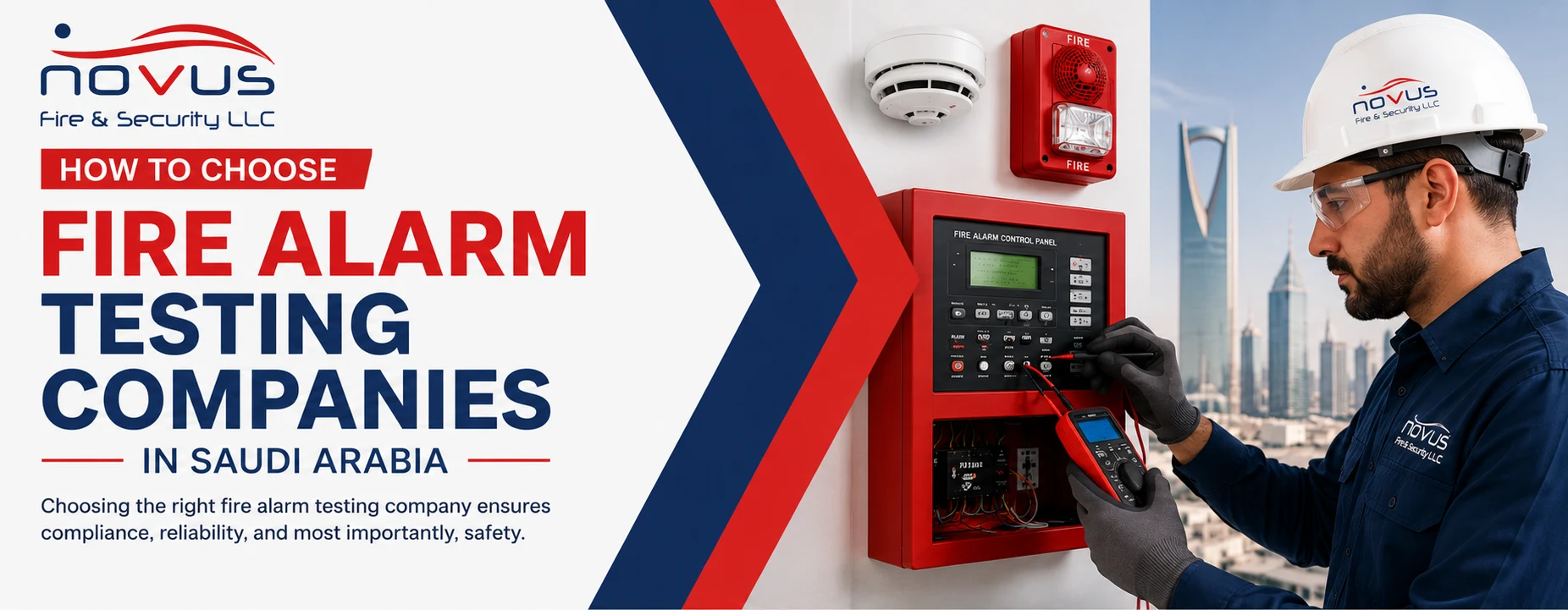
When a warning sign appears, selecting the right service provider matters.
Look for a company that offers:
- Relevant fire alarm experience
- Qualified technicians
- Knowledge of the installed system
- Appropriate testing procedures
- Clear documentation
- Fault identification
- Maintenance support
- Transparent service scope
- Appropriate emergency response options
Ask for a detailed quotation instead of accepting a vague “fire alarm testing” package. The quotation should clearly state what will be inspected and tested.
What to Do When You Notice a Warning Sign
If your fire alarm system shows one of the warning signs above, follow a structured response.
Step 1: Record the Problem
Note the date, time, location, and type of warning.
Step 2: Check the Control Panel
Record any fault or trouble messages without attempting unauthorized repairs.
Step 3: Inform Responsible Personnel
Notify your facility manager, safety team, or designated responsible person.
Step 4: Arrange Professional Assessment
Contact an appropriately qualified fire alarm service provider.
Step 5: Document the Findings
Keep the inspection and testing report with your fire safety records.
Step 6: Address Identified Faults
Arrange appropriate corrective action based on the professional assessment.
Step 7: Verify After Repairs
Where required, arrange appropriate follow-up testing after corrective work.
How Often Should Fire Alarm Systems Be Tested?
There is no single testing schedule that applies identically to every facility. The appropriate frequency can depend on:
- Building type
- Occupancy
- System design
- Manufacturer recommendations
- Applicable Saudi requirements
- Previous system history
- Facility risk
- Authority requirements
Facility managers should maintain a documented inspection, testing, and maintenance program appropriate to their building. Do not use this article as a substitute for the requirements applicable to your specific facility.
Common Mistakes Facility Managers Should Avoid
Ignoring Small Faults
A recurring warning can indicate a developing problem.
Repeatedly Resetting the Panel
Resetting the panel may clear an indication temporarily without addressing the underlying issue.
Waiting for the Annual Visit
If an obvious fault appears, arrange appropriate assessment rather than automatically waiting for the next scheduled service.
Choosing Only by Price
The cheapest service may not include the testing scope your facility requires.
Not Keeping Reports
Testing records provide useful information about the system’s history.
Failing to Retest After Repairs
Appropriate follow-up testing can help verify that corrective work has addressed the relevant problem.
Benefits of Regular Fire Alarm Testing Services KSA
Regular testing can help facility managers maintain better visibility into fire alarm system condition.
Potential benefits include:
- Earlier identification of faults
- Better maintenance planning
- More reliable documentation
- Identification of recurring issues
- Improved system monitoring
- Better coordination of corrective work
- Support for applicable safety requirements
Regular testing is not a guarantee against fire or system failure. It is one component of a broader fire protection and life-safety program.
Final Thoughts
A fire alarm system should never be treated as a “set it and forget it” safety installation. Warning signs such as repeated false alarms, persistent control-panel faults, damaged detectors, weak notification devices, battery problems, and building modifications can all indicate that professional attention is needed. For organizations seeking Fire Alarm Testing Services in Saudi Arabia, the first priority should be identifying the cause of the warning and arranging an appropriate inspection or testing process. A qualified provider can evaluate relevant components, document findings, and recommend corrective action where necessary.
Novus Fire and Security LLC provides fire and security solutions for organizations requiring professional support for fire alarm systems and related safety equipment. When comparing Fire Alarm Testing Services KSA, look beyond the quoted price. Review the testing scope, technician competence, reporting process, response capability, and experience with your specific fire alarm system. Saudi Building Code resources include dedicated provisions for fire alarm and detection systems, so facility managers should ensure their inspection and testing arrangements reflect the requirements applicable to their building.
If you notice a warning sign, do not assume the system will correct itself. Document the problem, inform the responsible personnel, and arrange an appropriate professional assessment. A proactive inspection and testing program can help identify issues earlier, support maintenance planning, and provide facility managers with better visibility into the condition of their fire alarm system. Novus Fire and Security LLC can support organizations seeking professional fire alarm testing, inspection, and related fire safety solutions based on their facility requirements.
FAQs
Q1. What are the most common signs that a fire alarm system needs testing?
Common warning signs include repeated false alarms, persistent fault indications, damaged detectors, malfunctioning sounders, faulty manual call points, battery warnings, and recent building modifications.
Q2. When should I arrange Fire Alarm Testing Services in Saudi Arabia?
Arrange professional testing when you observe a persistent or unexplained system problem, after relevant changes or repairs, or according to the inspection and maintenance schedule applicable to your facility.
Q3. What does Fire Alarm System Testing Saudi Arabia include?
The scope varies, but testing may cover applicable detectors, manual call points, notification devices, control panels, backup power, alarm signals, and system interfaces.
Q4. How do I choose Fire Alarm Testing Companies in Saudi Arabia?
Compare technician competence, system experience, testing scope, documentation, response capability, maintenance support, and pricing rather than selecting solely on cost.
Q5. What is Fire Alarm Inspection Services in Saudi Arabia?
Fire alarm inspection generally involves examining system components and their condition, accessibility, installation, and other relevant characteristics. The exact scope should be confirmed with the service provider.
Q6. What is Fire Detection System Testing Saudi Arabia?
It involves appropriate testing of installed fire detection devices and related functions to help determine whether the detection system operates as intended.
Q7. Are Fire Alarm Testing Services KSA required for every building?
Testing and maintenance requirements depend on the building, system, applicable codes, regulations, manufacturer instructions, and authority requirements. Facility owners should verify the rules applicable to their specific property.
Q8. Can frequent false alarms damage a fire alarm system?
Repeated false alarms are a sign that the system should be investigated. The underlying cause may involve environmental conditions, equipment, wiring, configuration, or other factors.
Q9. Should a fire alarm system be tested after renovation?
Significant building changes can affect fire alarm coverage and system operation. The need for inspection, testing, or modification should be assessed based on the specific changes and applicable requirements.
Q10. What should I do if my fire alarm control panel shows a fault?
Record the fault indication, inform the responsible facility personnel, and arrange appropriate professional assessment. Do not ignore persistent fault signals or perform unauthorized repairs.