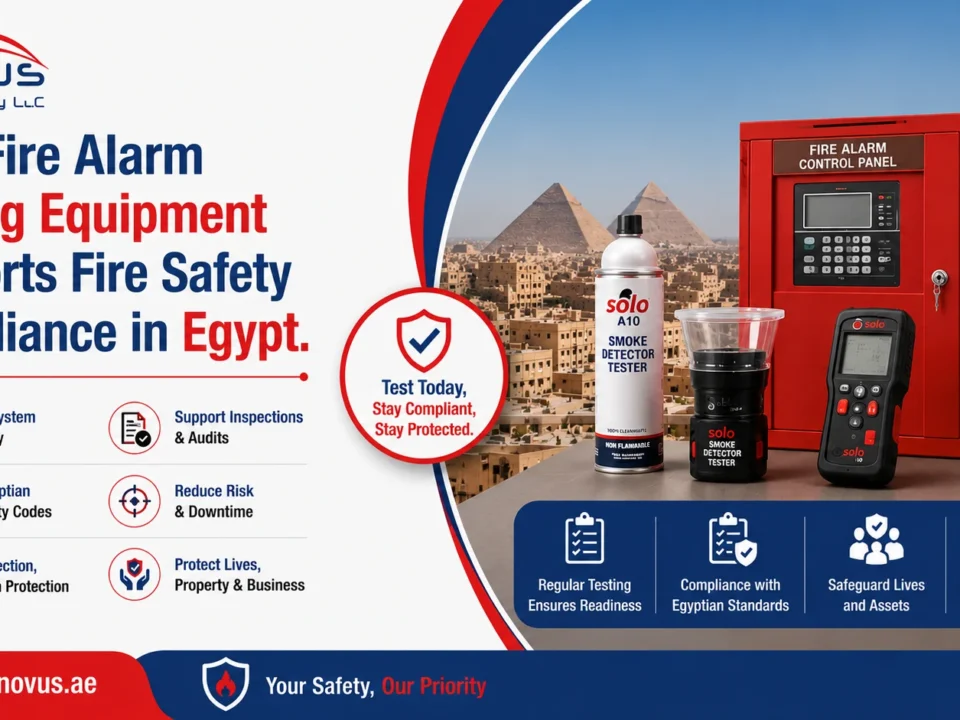
Choosing the Right Aerosol Smoke Spray for Commercial Fire Alarm Systems
July 28, 2026
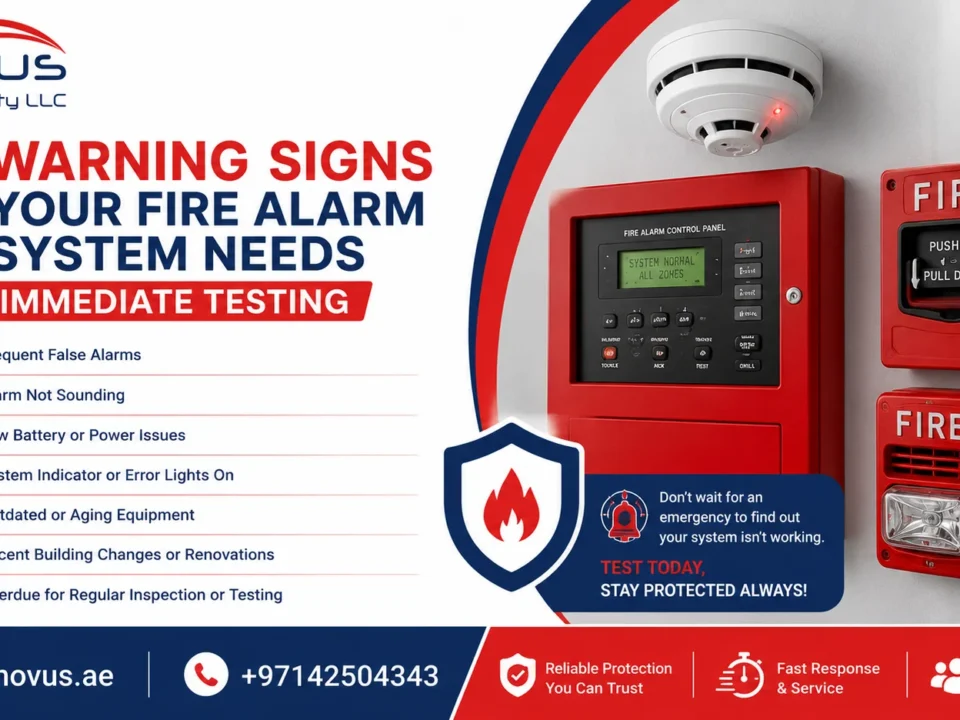
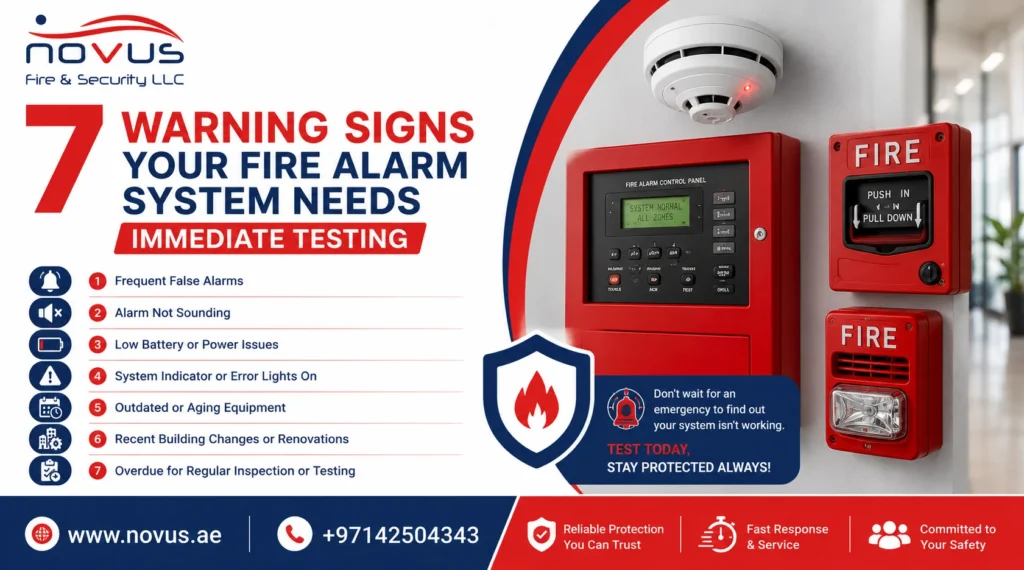
7 Warning Signs Your Fire Alarm System Needs Immediate Testing
August 19, 2026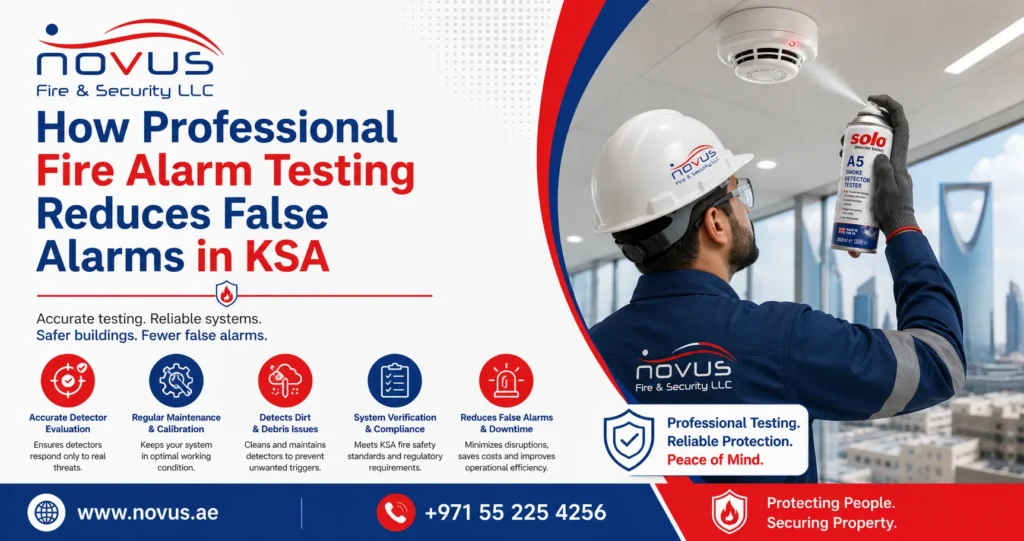
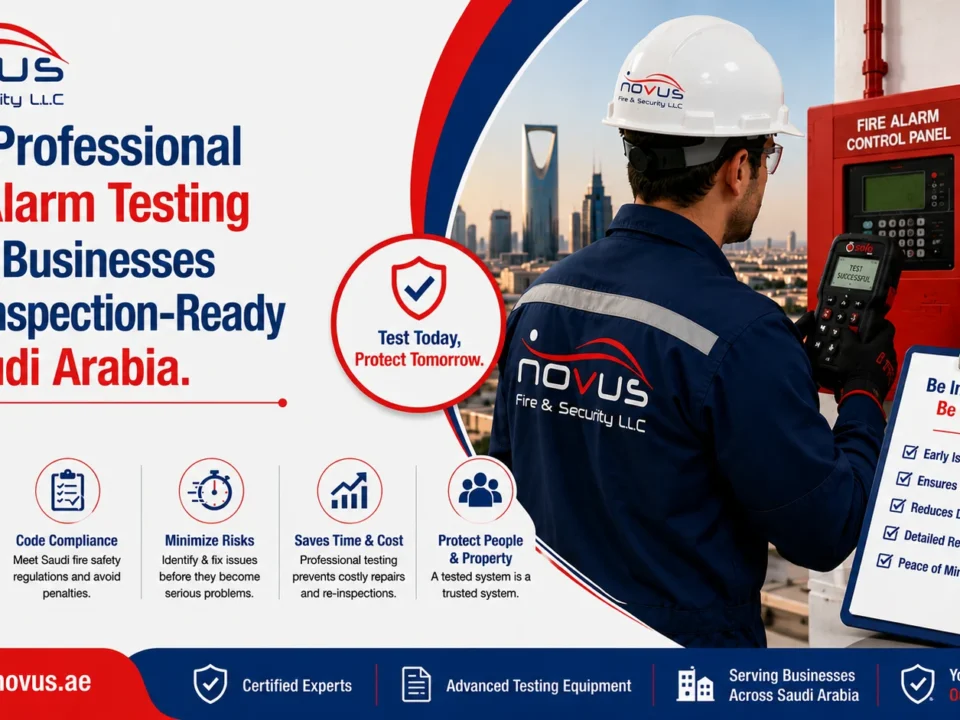
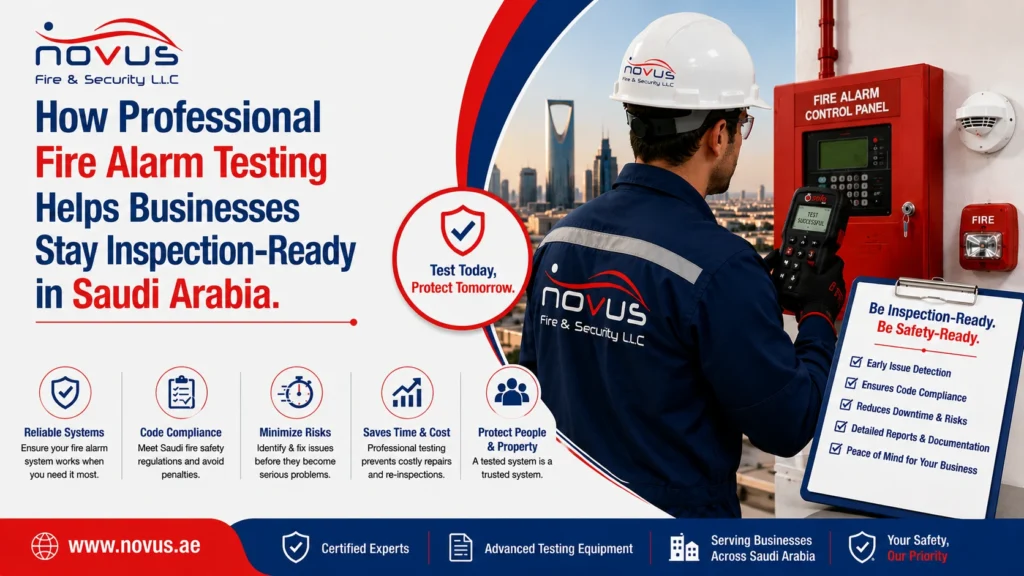
Professional Fire Alarm Testing helps reduce false alarms by identifying faulty detectors, damaged wiring, improper device sensitivity, and communication issues before they become serious problems. Routine testing ensures every component operates correctly and supports compliance with Saudi fire safety requirements.
Key Benefits of Professional Fire Alarm Testing
- Detects faulty smoke and heat detectors early
- Verifies correct operation of fire alarm control panels
- Reduces unnecessary business disruptions
- Improves emergency response reliability
- Supports preventive maintenance programs
- Enhances occupant safety
- Helps meet fire safety compliance requirements
- Extends the lifespan of fire alarm equipment
Regular inspections performed by trained professionals significantly improve the reliability and performance of commercial fire alarm systems.
Introduction
False fire alarms are more than just an inconvenience. They interrupt business operations, create unnecessary panic, increase emergency response costs, and reduce confidence in fire protection systems. For commercial buildings, hospitals, schools, warehouses, shopping malls, and industrial facilities, minimizing false alarms is essential for maintaining a safe and productive environment.
Professional fire alarm testing in KSA plays a vital role in ensuring fire alarm systems operate accurately when an actual emergency occurs. Through scheduled inspections, performance checks, detector sensitivity testing, and preventive maintenance, organizations can identify hidden faults before they lead to false activations.
Whether managing a commercial property or an industrial facility, investing in routine commercial fire alarm testing improves system reliability and supports long-term fire safety objectives. This guide explains how professional fire alarm testing reduces false alarms, the importance of regular inspections, and why proactive maintenance is essential for businesses across Saudi Arabia.
Why False Fire Alarms Are a Serious Concern
False alarms can negatively impact businesses in several ways.
Common consequences include:
- Business interruptions
- Employee evacuation delays
- Reduced productivity
- Increased maintenance costs
- Emergency service disruptions
- Tenant dissatisfaction
- Loss of confidence in fire alarm systems
- Potential financial losses
Repeated false alarms may also lead occupants to ignore future alarms, increasing safety risks during genuine emergencies.
What Is Fire Alarm Testing?
Fire Alarm Testing is the process of verifying that every component within a fire alarm system functions correctly.
Testing typically includes:
- Smoke detector testing
- Heat detector testing
- Manual call point testing
- Sounder verification
- Control panel testing
- Notification device testing
- Communication checks
- Battery backup inspection
Routine testing helps identify faults before they affect overall system performance.
Common Causes of False Fire Alarms
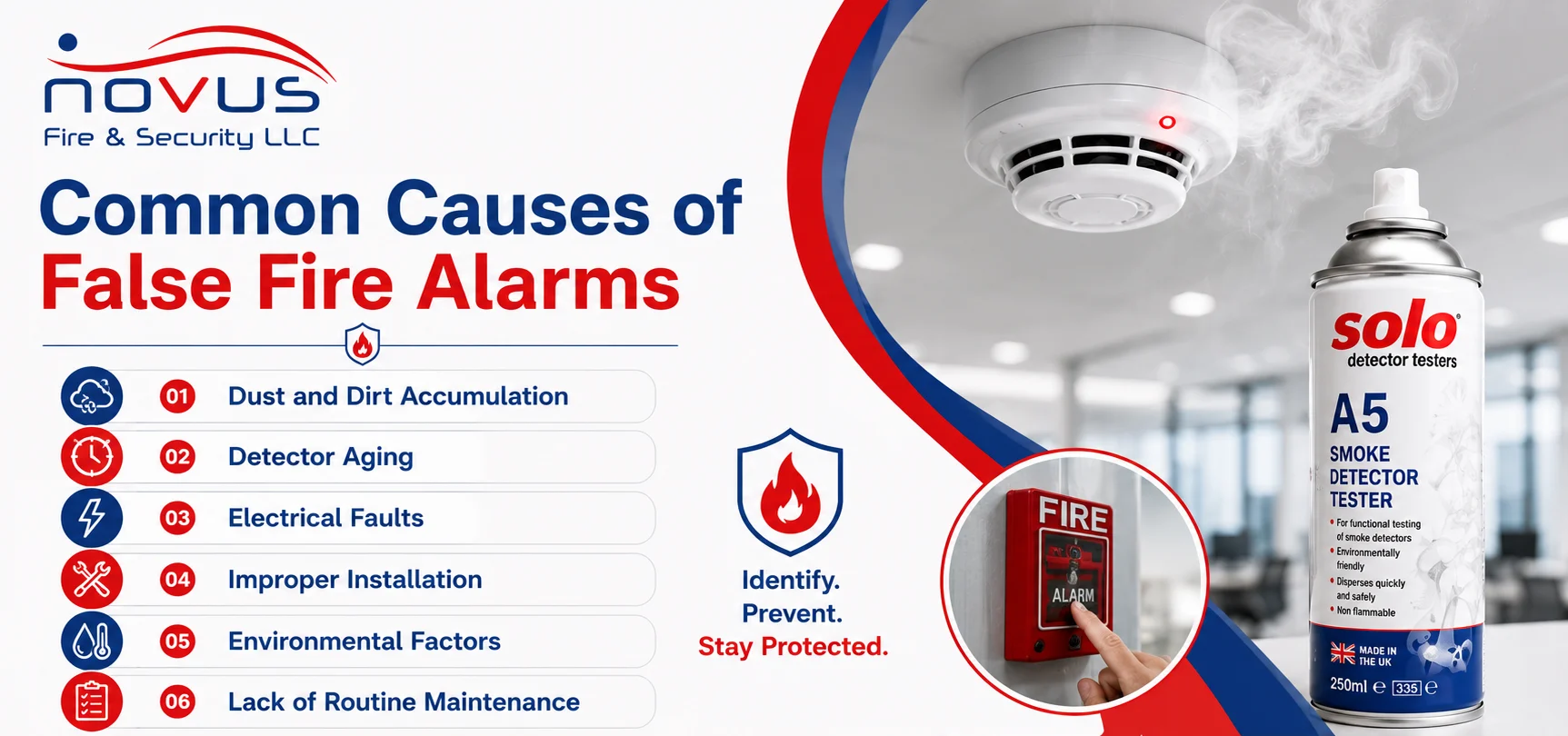
Professional inspections often identify problems that may otherwise remain unnoticed.
Common causes include:
Dust and Dirt Accumulation
Dust particles inside smoke detectors can trigger unnecessary alarm activation.
Detector Aging
Older detectors may become overly sensitive over time.
Electrical Faults
Loose wiring, damaged circuits, or unstable power supplies may generate false signals.
Improper Installation
Incorrect detector placement increases the likelihood of nuisance alarms.
Environmental Factors
Steam, cooking fumes, excessive humidity, and airborne particles may activate poorly maintained detectors.
Lack of Routine Maintenance
Neglected systems are more likely to experience unexpected failures.
How Professional Fire Alarm Testing Reduces False Alarms
Routine inspections improve system reliability in several important ways.
1. Identifies Faulty Detectors
Professional technicians verify detector sensitivity and replace defective devices before they cause recurring false alarms.
2. Confirms Proper System Communication
Testing ensures detectors, manual call points, notification appliances, and the fire alarm control panel communicate correctly. Reliable communication reduces unnecessary alarm activations.
3. Verifies Detector Sensitivity
Smoke detectors should respond to genuine smoke not environmental contaminants. Professional testing confirms sensitivity remains within manufacturer specifications.
4. Detects Hidden Electrical Problems
Inspections identify:
- Loose terminals
- Damaged wiring
- Faulty modules
- Circuit failures
- Power supply issues
Resolving these problems reduces unexpected alarm events.
5. Supports Preventive Maintenance
Routine fire alarm maintenance in KSA allows technicians to identify wear before equipment failure occurs.
Preventive maintenance helps avoid:
- Detector malfunction
- Control panel errors
- Battery failure
- Communication interruptions
Importance of Commercial Fire Alarm Testing
Commercial buildings often contain hundreds of interconnected fire alarm devices. Professional commercial fire alarm testing ensures every component functions correctly throughout the building.
Facilities benefiting from routine testing include:
- Office buildings
- Hotels
- Shopping malls
- Hospitals
- Warehouses
- Manufacturing plants
- Educational institutions
- Airports
- Government buildings
- Residential towers
Regular inspections improve overall building safety while reducing maintenance risks.
Fire Alarm Inspection in Saudi Arabia
Routine fire alarm inspection programs in Saudi Arabia help organizations identify developing issues before they become major safety concerns.
Inspections commonly include:
- Detector performance verification
- Alarm panel diagnostics
- Notification appliance testing
- Manual call point inspection
- Circuit testing
- Backup battery evaluation
- Visual equipment inspection
These inspections improve operational reliability while supporting maintenance planning.
Fire Safety Compliance in Saudi Arabia
Maintaining fire safety compliance in Saudi Arabia requires more than simply installing a fire alarm system.
Organizations should:
- Schedule routine inspections
- Perform regular testing
- Maintain accurate maintenance records
- Replace damaged equipment promptly
- Follow manufacturer recommendations
- Train maintenance personnel
Compliance-focused maintenance improves both safety and operational efficiency.
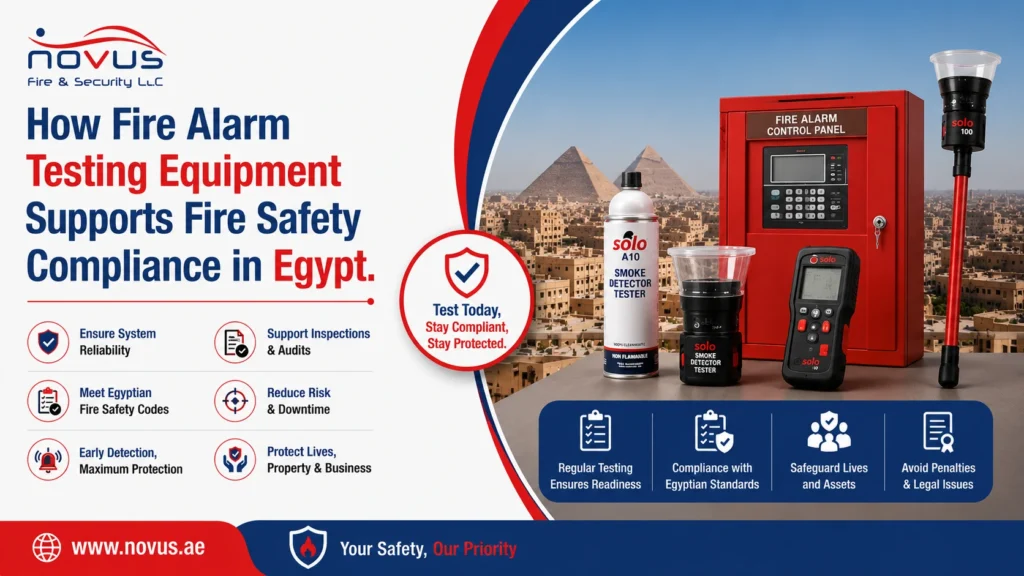
Choosing the Right Fire Alarm Testing Equipment
Reliable fire alarm testing equipment in KSA plays an essential role in inspection quality.
Professional equipment may include:
- Smoke detector testing tools
- Heat detector testers
- Test aerosols
- Detector testing poles
- Control panel diagnostic equipment
- Multimeter testing devices
High-quality equipment improves testing accuracy while reducing inspection time.
Benefits of Fire Alarm System Maintenance
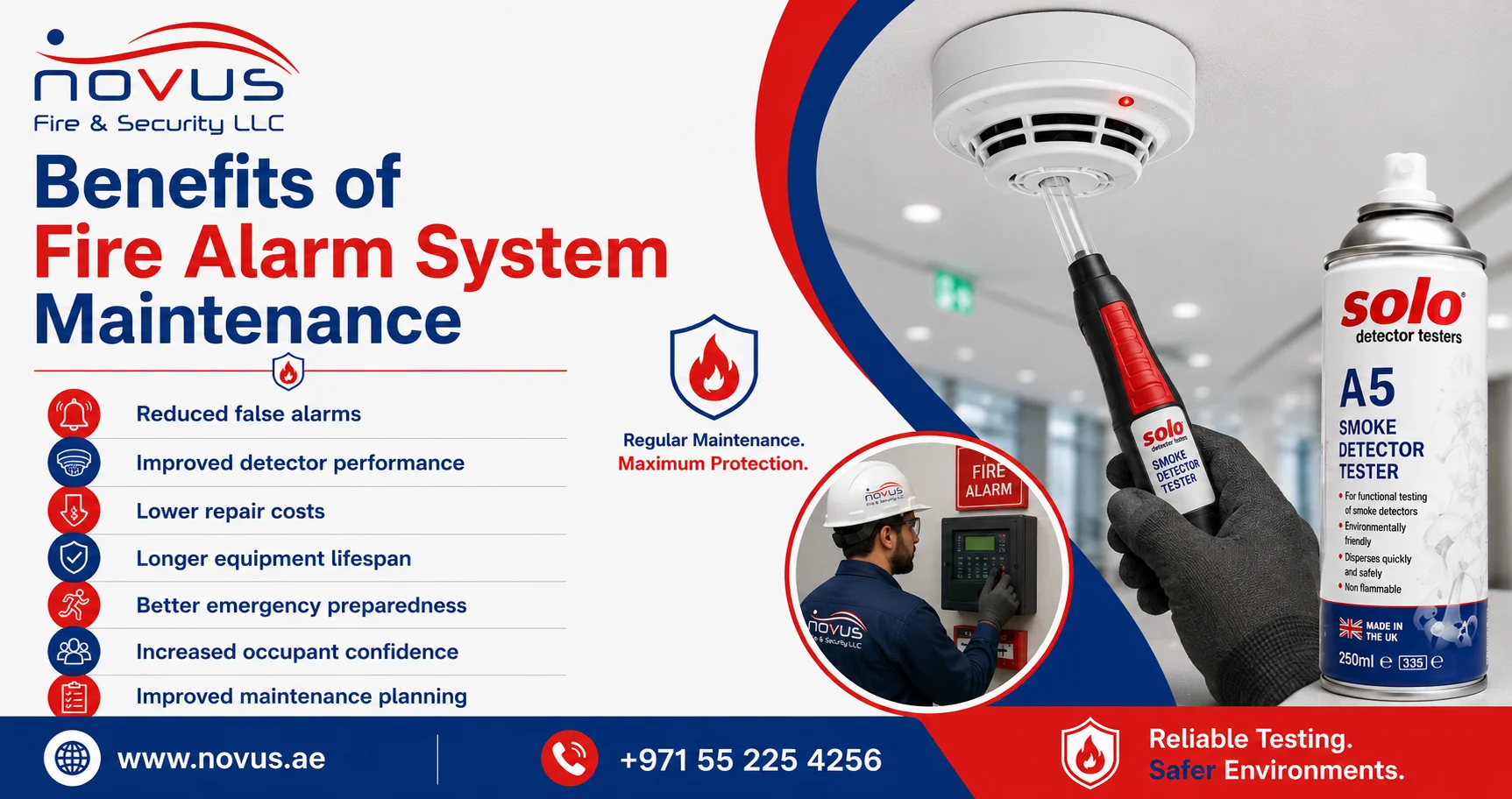
Routine fire alarm system maintenance in Saudi Arabia provides long-term operational advantages.
Key benefits include the following:
- Reduced false alarms
- Improved detector performance
- Lower repair costs
- Longer equipment lifespan
- Better emergency preparedness
- Increased occupant confidence
- Improved maintenance planning
Preventive maintenance is far more cost-effective than emergency repairs following system failures.
Why Professional Fire Protection Services Matter
Experienced providers offering fire protection services in KSA understand the complexity of commercial fire alarm systems.
Professional services typically include:
- System inspections
- Detector testing
- Preventive maintenance
- Equipment replacement
- System troubleshooting
- Technical documentation
- Compliance support
Working with qualified specialists helps maintain consistent fire alarm performance throughout the year. Novus Fire and Security LLC provides professional fire alarm testing solutions designed to help businesses improve system reliability, reduce false alarms, and maintain high safety standards.
Best Practices to Prevent False Fire Alarms
Organizations should follow these recommendations:
- Perform scheduled fire alarm testing.
- Replace damaged detectors immediately.
- Clean smoke detectors regularly.
- Use professional testing equipment.
- Keep maintenance records updated.
- Train maintenance personnel.
- Follow manufacturer maintenance schedules.
- Conduct periodic system inspections.
These proactive measures reduce operational disruptions while improving overall safety.
Conclusion
False alarms can disrupt operations, reduce confidence in fire alarm systems, and increase unnecessary costs. Professional Fire Alarm Testing helps organizations identify potential issues before they develop into serious system failures. Through routine inspections, preventive maintenance, detector sensitivity verification, and equipment testing, businesses can significantly reduce false alarm incidents while improving emergency preparedness.
Investing in regular maintenance also supports long-term equipment performance, operational efficiency, and safer working environments. Whether managing an office complex, industrial facility, hospital, or retail center, professional testing remains one of the most effective ways to ensure reliable fire alarm performance. Novus Fire and Security LLC supports organizations with high-quality fire alarm testing and maintenance solutions tailored to commercial fire protection needs.
Frequently Asked Questions
Q1. Why is Fire Alarm Testing important?
A1. Fire Alarm Testing ensures smoke detectors, control panels, and notification devices function correctly, helping reduce false alarms and improving emergency response reliability.
Q2. How often should Fire alarm testing KSA be performed?
A2. Commercial buildings should follow scheduled inspection and maintenance programs based on manufacturer recommendations and applicable fire safety requirements.
Q3. What causes most false fire alarms?
A3. Common causes include dirty smoke detectors, aging equipment, electrical faults, incorrect detector placement, environmental contaminants, and lack of routine maintenance.
Q4. What is included in Commercial fire alarm testing?
A4. Commercial testing typically includes smoke detector testing, heat detector testing, control panel verification, manual call point testing, alarm notification testing, battery inspection, and communication checks.
Q5. Why is Fire alarm maintenance KSA necessary?
A5. Routine maintenance helps identify developing faults early, improves system reliability, extends equipment lifespan, reduces false alarms, and supports fire safety compliance.