
Step-by-Step Commercial Fire Alarm Testing Checklist
April 15, 2026
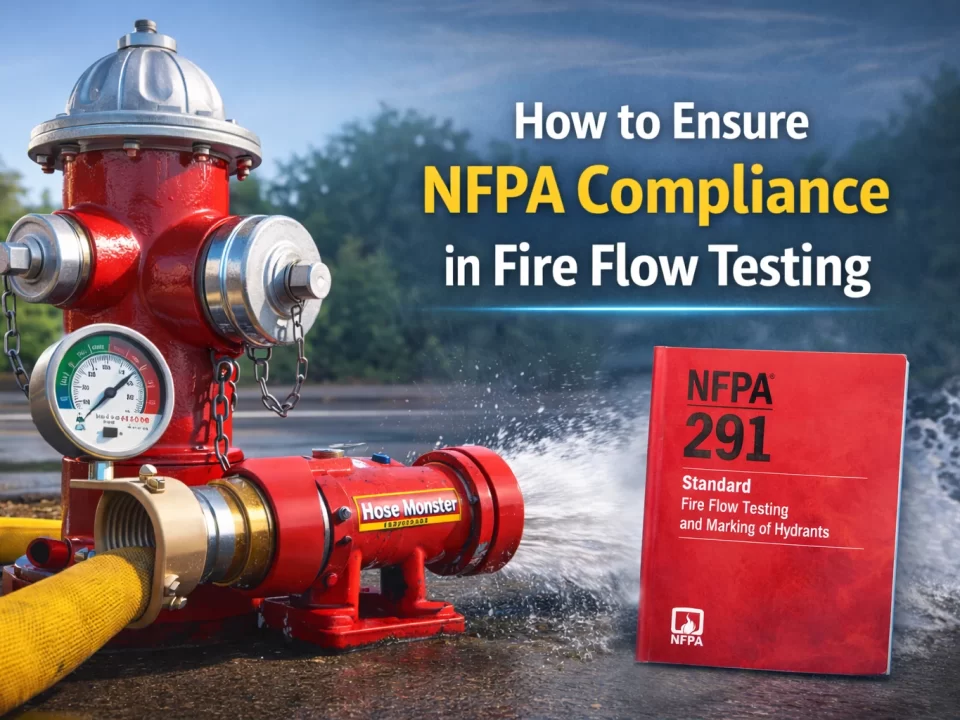
How to Ensure NFPA Compliance in Fire Flow Testing
April 15, 2026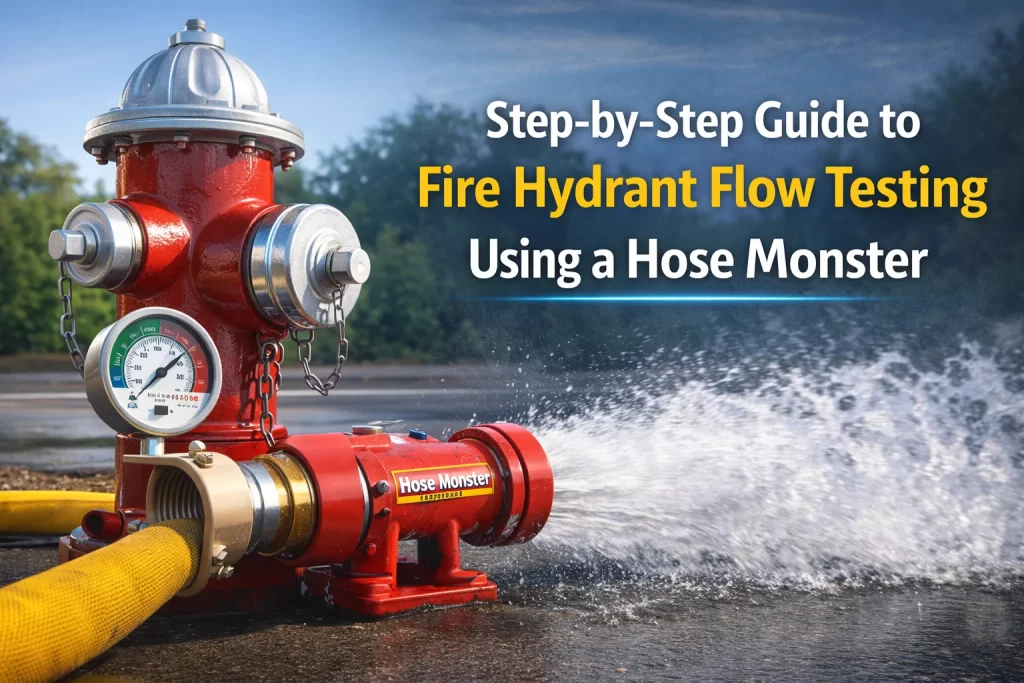
Fire hydrant flow testing is a critical process for evaluating the performance and reliability of water supply systems used in firefighting. Accurate flow testing ensures that hydrants can deliver sufficient water pressure and volume during emergencies. One of the most trusted tools for this process is the hose monster, designed specifically to measure water flow and pressure with precision.
This guide provides a detailed, step-by-step approach to conducting a hose monster flow test, helping professionals ensure compliance, safety, and system efficiency.
What is a Hose Monster and Why is it Important?
A hose monster is a specialized device used to measure the flow rate (GPM) and pressure of water from fire hydrants. Unlike traditional methods, it provides accurate digital readings and simplifies the testing process.
Using a monster hose setup allows technicians to
- Measure water flow accurately
- Evaluate system capacity
- Identify pressure issues
- Ensure compliance with fire safety standards
Equipment provided by the Hose Monster Company is widely used in commercial and municipal fire protection systems due to its reliability and ease of use.
When Should Fire Hydrant Flow Testing Be Performed?
Regular hydrant testing is essential for maintaining system performance. Typical scenarios include the following:
- Annual fire safety inspections
- After system installation or upgrades
- Before building occupancy approvals
- During maintenance checks
Routine hose monster flow test procedures help ensure that water supply systems remain dependable under emergency conditions.
Tools and Equipment Required
Before starting the test, gather all necessary equipment:
- Hose monster device
- Pressure gauges
- Hydrant wrench
- Diffuser (monster hose)
- Safety gear (gloves, helmet, boots)
- Data recording tools
Using equipment from a trusted hose monster company ensures accurate results and durability during testing.
Step 1: Inspect the Hydrant and Surrounding Area
Begin by visually inspecting the fire hydrant and the surrounding environment.
Check for:
- Physical damage or leaks
- Obstructions around the hydrant
- Proper accessibility
This initial inspection ensures safe and efficient testing conditions.
Step 2: Select the Test and Residual Hydrants
Hydrant flow testing typically involves two hydrants:
- Test hydrant – where flow is measured
- Residual hydrant – where pressure is monitored
Proper selection of hydrants is essential for obtaining accurate flow data.
Step 3: Attach the Hose Monster Device
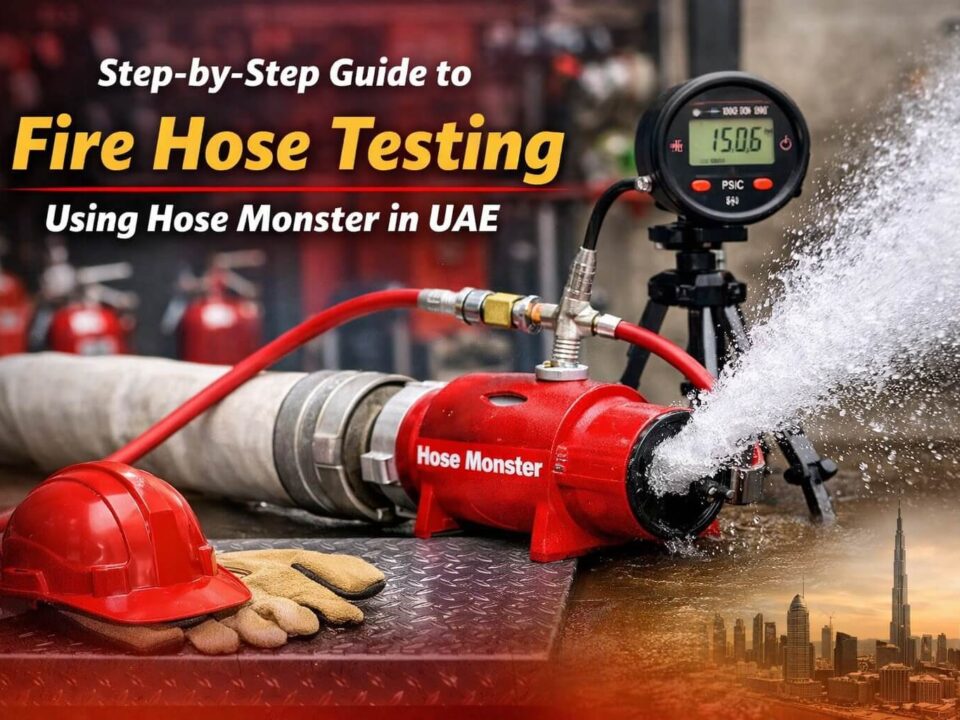
Connect the hose monster to the test hydrant outlet. Ensure all connections are tight and secure to prevent leaks. Attach the diffuser (monster hose) to control water discharge and reduce environmental impact. This setup ensures safe and controlled water flow during testing.
Step 4: Measure Static Pressure
Before opening the hydrant, measure the static pressure using a pressure gauge connected to the residual hydrant. Static pressure represents the water pressure in the system when no water is flowing. Record this value as it serves as a baseline for comparison.
Step 5: Open the Hydrant Slowly
Gradually open the test hydrant to allow water to flow through the hose monster device. Opening the hydrant slowly prevents sudden pressure surges and potential damage.
Observe:
- Water flow stability
- Equipment performance
- Any leaks or irregularities
Step 6: Measure Residual Pressure
While water is flowing, measure the residual pressure at the secondary hydrant. This value indicates the system’s pressure under flow conditions. Accurate residual pressure readings are crucial for calculating flow rates and assessing system performance.
Step 7: Record Flow Rate (GPM)
The hose monster flow test device provides direct readings of water flow in gallons per minute (GPM). Record the flow rate along with static and residual pressure values.
These measurements help determine whether the hydrant meets required fire safety standards.
Step 8: Close the Hydrant Safely
Once testing is complete, slowly close the hydrant to avoid water-hammer effects. Sudden closure can damage pipes and equipment.
Ensure:
- Water flow stops completely
- No leaks remain
- Equipment is safely disconnected
Step 9: Analyze Test Results
After completing the test, they analyze the recorded data to evaluate system performance.
Key factors to assess:
- Adequacy of water flow
- Pressure drop between static and residual readings
- Compliance with fire safety standards
If results are below the required levels, further investigation or system upgrades may be necessary.
Step 10: Document and Report Findings
Proper documentation is essential for compliance and future reference.
Include:
- Date and location of testing
- Hydrant identification details
- Flow rate and pressure readings
- Observations and recommendations
Accurate reporting ensures transparency and helps maintain regulatory compliance.
Safety Considerations During Testing
Fire hydrant flow testing involves high-pressure water discharge, which can be hazardous if not handled properly.
Safety tips:
- Always wear protective gear
- Secure the testing area to prevent public access
- Use diffusers to control water flow
- Avoid directing water toward traffic or structures
Following these precautions ensures a safe testing environment.
Benefits of Using a Hose Monster for Flow Testing
The hose monster offers several advantages over traditional testing methods:
- Accurate digital measurements
- Easy setup and operation
- Reduced testing time
- Improved safety with controlled discharge
- Reliable performance in various conditions
These benefits make it a preferred choice for professionals conducting hydrant flow tests.
Common Mistakes to Avoid
During fire hydrant testing, avoid these common errors:
- Opening hydrants too quickly
- Failing to record accurate readings
- Ignoring safety protocols
- Using improper equipment
Proper training and adherence to procedures help prevent these issues.
The Role of Professional Testing Services
While hydrant testing can be performed by trained personnel, working with professionals ensures accuracy and compliance. Companies like Novus Fire and Security LLC provide expert testing services, ensuring that hydrant systems meet all safety standards and deliver reliable performance. Their expertise helps identify potential issues early and ensures that fire protection systems are always ready for emergencies.
Ask your query?
Future Trends in Hydrant Flow Testing
Advancements in technology are improving the efficiency of hydrant testing:
- Digital flow measurement tools
- IoT-enabled monitoring systems
- Automated data recording and reporting
The hose monster company continues to innovate, offering advanced solutions that enhance testing accuracy and ease of use.
Conclusion
Fire hydrant flow testing is a vital component of fire safety management. Using a hose monster simplifies the process, improves accuracy, and ensures compliance with safety standards. By following a structured step-by-step approach, professionals can effectively evaluate hydrant performance and maintain reliable fire protection systems.
Combining proper techniques with advanced tools ensures that systems are always prepared to respond in emergencies. Novus Fire and Security LLC supports organizations in achieving high safety standards through expert testing and advanced fire protection solutions.
FAQs
Q1: What is a hose monster used for?
A1: A hose monster is used to measure water flow and pressure during fire hydrant testing.
Q2: What is a hose monster flow test?
A2: It is a method of testing hydrant performance using specialized equipment to measure flow rate and pressure.
Q3: Why is hydrant flow testing important?
A3: It ensures that hydrants provide an adequate water supply during emergencies.
Q4: How often should hydrant testing be done?
A4: Typically performed annually or as required by local regulations.