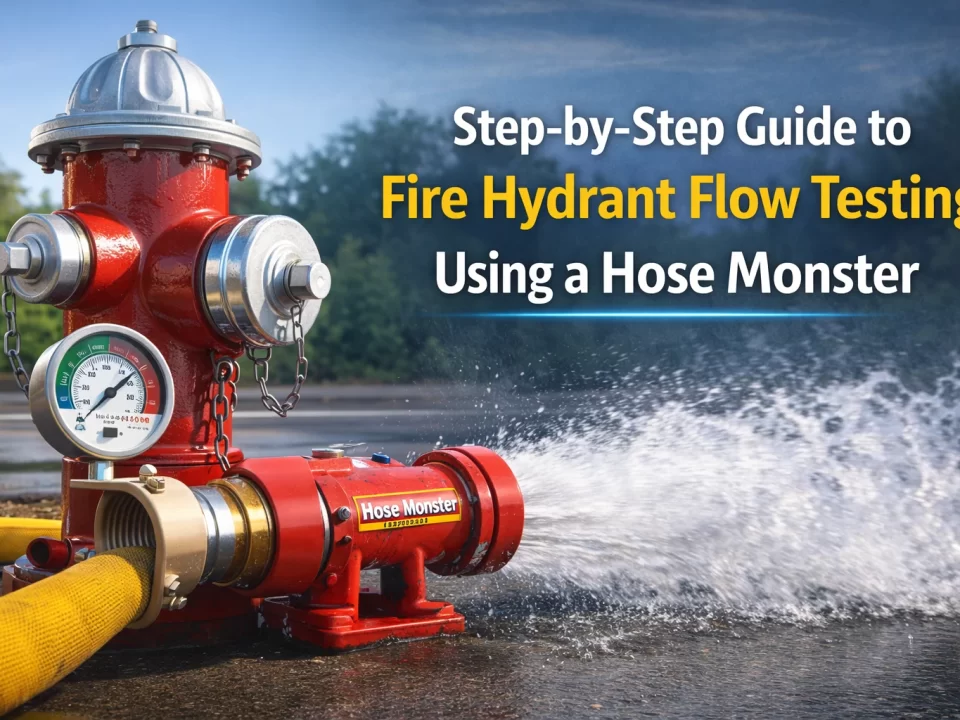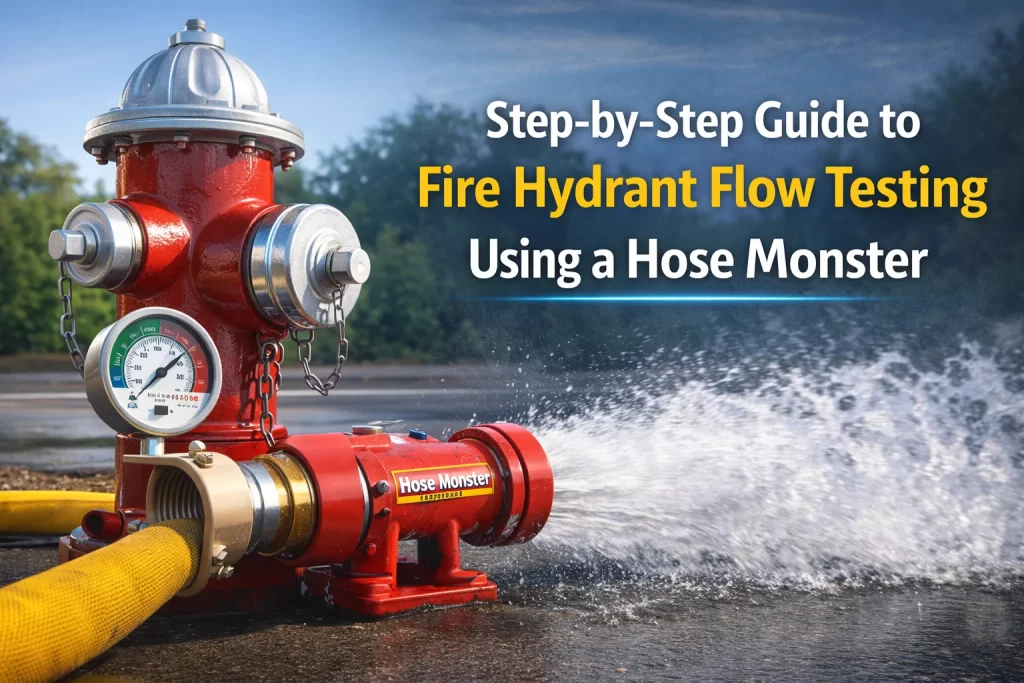
Step-by-Step Guide to Fire Hydrant Flow Testing Using Hose Monster
April 15, 2026
Fire Safety Compliance Tips Using Smoke Detector Tester & Testing Equipment
April 22, 2026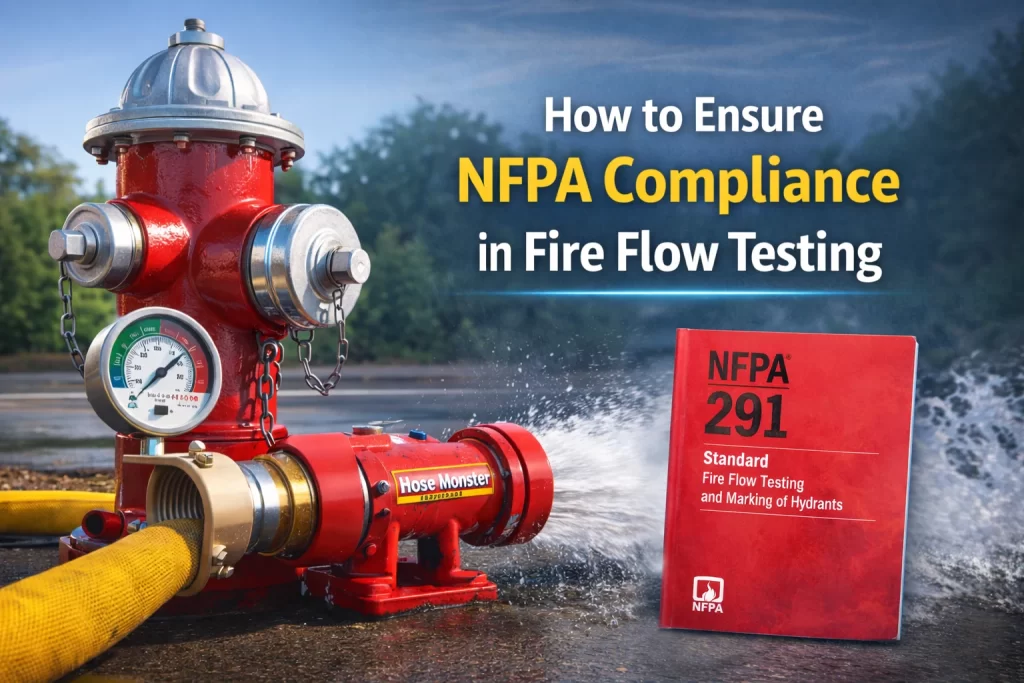
Fire flow testing plays a vital role in evaluating the performance of water supply systems used in firefighting. Ensuring compliance with National Fire Protection Association (NFPA) standards is essential for maintaining safety, meeting regulatory requirements, and protecting lives and property. A structured and standards-driven approach helps organizations achieve accurate results while avoiding costly penalties or system failures. This guide explains how to ensure NFPA compliance in fire flow testing, including best practices, equipment usage, documentation, and common challenges.
Understanding NFPA Standards for Fire Flow Testing
NFPA provides guidelines and codes that define how fire protection systems should be tested, installed, and maintained. For fire flow testing, key standards include the following:
- NFPA 291 – Recommended Practice for Fire Flow Testing and Marking of Hydrants
- NFPA 25 – Standard for the Inspection, Testing, and Maintenance of Water-Based Fire Protection Systems
These standards outline procedures for measuring water flow, pressure, and system performance to ensure reliability during emergencies.
Why NFPA Compliance Matters
Adhering to NFPA standards ensures that fire protection systems function effectively when needed. Non-compliance can lead to the following:
- Inaccurate flow measurements
- Increased fire risk
- Legal penalties and fines
- Insurance issues
Proper compliance improves system reliability, enhances safety, and ensures that emergency response teams have an adequate water supply during critical situations.
Key Components of NFPA-Compliant Fire Flow Testing
To achieve compliance, it is important to understand the core elements of fire flow testing:
- Static Pressure – Pressure in the system when no water is flowing
- Residual Pressure – Pressure during water flow
- Flow Rate (GPM) – Volume of water discharged
Accurate measurement of these factors ensures that the system meets NFPA requirements.
Step-by-Step Process for NFPA-Compliant Fire Flow Testing
1. Pre-Test Planning
Start by reviewing system design, hydrant locations, and previous test reports. Identify test and residual hydrants based on NFPA guidelines.
2. Notify Authorities and Occupants
Inform relevant authorities, building occupants, and monitoring agencies before conducting tests to avoid unnecessary alarms or disruptions.
3. Inspect Equipment and Hydrants
Check hydrants for damage, leaks, or obstructions. Ensure all testing equipment is calibrated and functioning properly.
4. Measure Static Pressure
Record static pressure using a gauge connected to the residual hydrant before initiating water flow.
5. Conduct Flow Test
Open the test hydrant gradually and measure flow rate and residual pressure. Using tools like a hose monster ensures accurate and consistent readings.
6. Record Data Accurately
Document all readings, including pressure levels and flow rates, as required by NFPA standards.
7. Restore System and Close Hydrants
Close hydrants slowly to prevent water hammer and ensure the system returns to normal operation.
Role of Hose Monster in NFPA Compliance
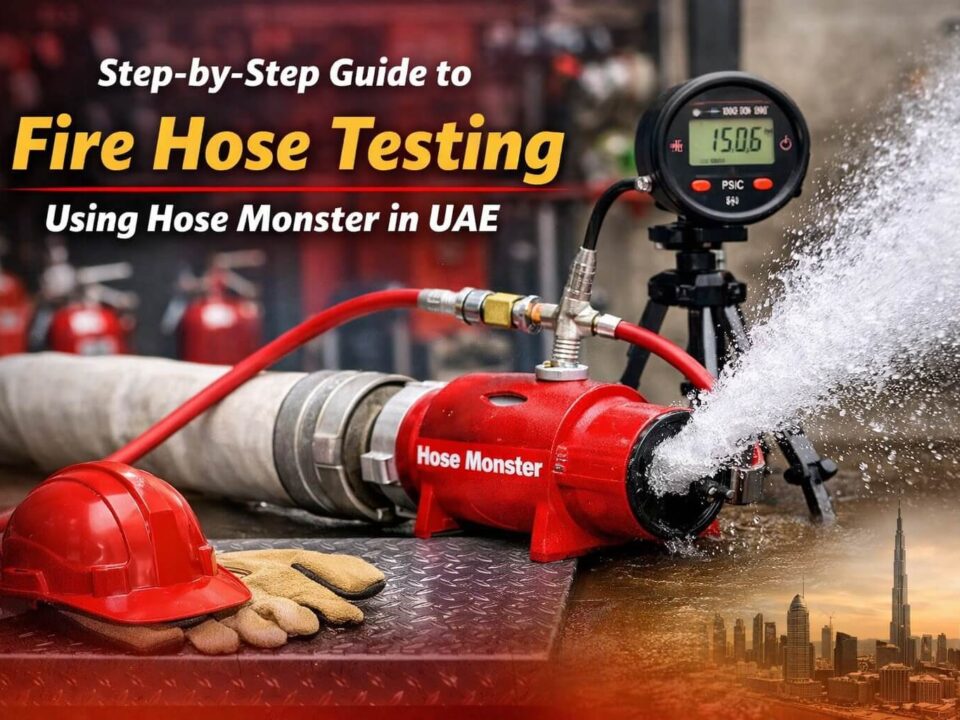
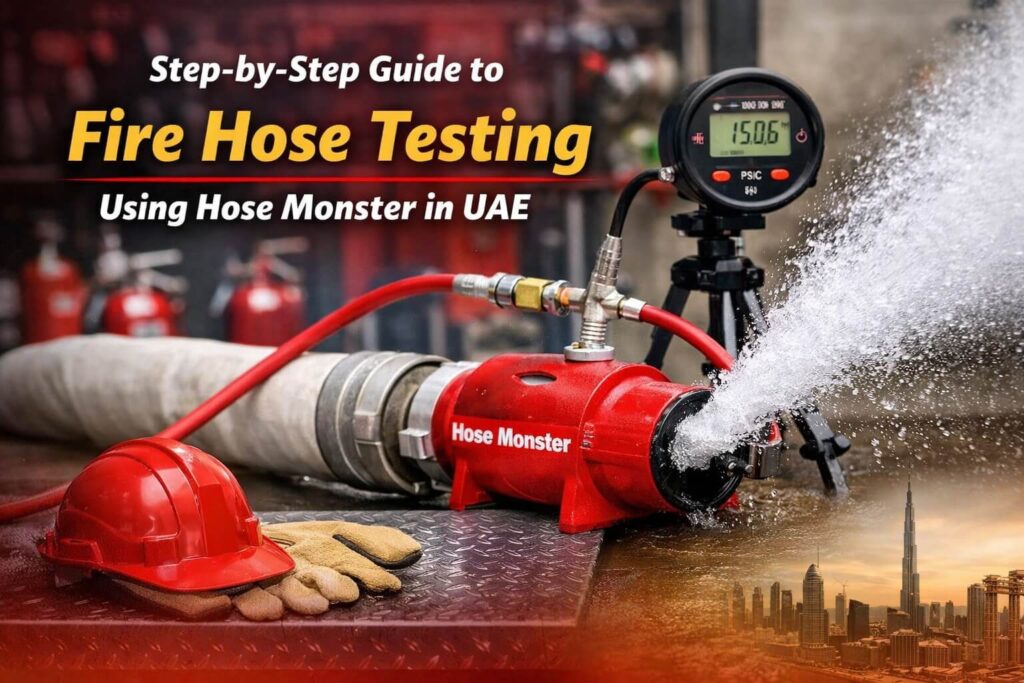
The hose monster is widely used in fireflow testing for its ability to provide precise flow and pressure measurements. A hose monster flow test simplifies the process by delivering accurate digital readings, reducing errors associated with manual calculations. Using a monster hose setup allows controlled water discharge, improving safety and minimizing environmental impact. Equipment from the hose monster company ensures reliability and consistency, making it easier to meet NFPA standards.
Importance of Accurate Data and Documentation
NFPA compliance requires thorough documentation of all testing activities. Proper records should include:
- Date and location of testing
- Hydrant identification
- Static and residual pressure readings
- Flow rate measurements
- Observations and corrective actions
Accurate documentation helps demonstrate compliance during audits and inspections.
Common Challenges in Achieving NFPA Compliance
Organizations often face challenges such as the following:
- Inconsistent testing procedures
- Lack of proper equipment
- Incomplete documentation
- Limited technical expertise
Addressing these challenges requires proper training, standardized processes, and reliable tools.
Best Practices for Maintaining Compliance
To ensure ongoing compliance with NFPA standards:
- Conduct regular inspections and testing
- Use calibrated and approved equipment
- Train personnel on NFPA guidelines
- Maintain detailed records
- Partner with experienced professionals
Following these practices ensures consistent system performance and reduces the risk of non-compliance.
Ask your query?
The Role of Professional Fire Testing Services
Working with a professional service provider can significantly improve compliance and testing accuracy. Experts understand NFPA requirements and use advanced tools to conduct thorough inspections. Novus Fire and Security LLC offers specialized fire flow testing services, ensuring that systems meet all regulatory standards and operate efficiently. Their expertise helps organizations maintain compliance while improving overall fire safety.
Future Trends in Fire Flow Testing
Technology is transforming fire flow testing, making it more efficient and accurate. Emerging trends include:
- Digital flow measurement devices
- IoT-based monitoring systems
- Automated reporting tools
The hose monster company continues to innovate, providing advanced solutions that support compliance and improve testing efficiency.
Conclusion
Ensuring NFPA compliance in fire flow testing is essential for maintaining safety, reliability, and regulatory adherence. By following standardized procedures, using accurate equipment like a hose monster, and maintaining proper documentation, organizations can achieve consistent and reliable results. Combining best practices with professional expertise ensures that fire protection systems are always ready to perform in emergencies. Novus Fire and Security LLC supports businesses in achieving compliance through advanced testing solutions and industry expertise.
FAQs
Q1: What is NFPA fire flow testing?
A1: It is the process of measuring water flow and pressure to ensure compliance with NFPA standards.
Q2: What is a hose monster used in testing?
A2: It measures water flow and pressure accurately during fire hydrant testing.
Q3: Why is NFPA compliance important?
A3: It ensures fire protection systems are reliable and meet safety regulations.
Q4: How often should fire flow testing be conducted?
A4: Typically performed annually or as required by local codes.