Step-by-Step Compliance Testing Using Solo 365 Smoke Detector Tester in KSA
May 5, 2026
How to Choose the Right Smoke Detector Testing Company in UAE
May 22, 2026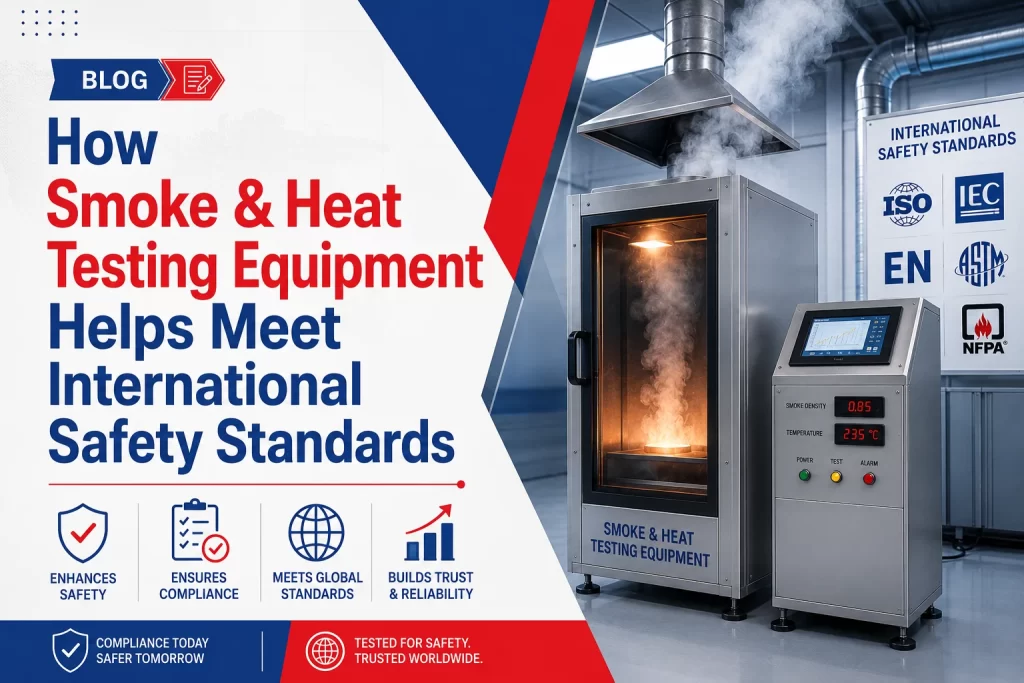
Fire safety systems are only effective when they work at the exact moment they are needed. In commercial buildings, hospitals, warehouses, hotels, factories, and residential towers, even a small failure in a smoke or heat detector can lead to major damage, injuries, or loss of life. That is why regular detector testing is not simply a maintenance task it is a critical part of international fire safety compliance.
Modern Smoke & Heat Testing Equipment plays a major role in helping businesses, facility managers, and fire safety professionals maintain reliable detection systems. Whether testing smoke sensors in office buildings or heat detectors in industrial environments, accurate testing equipment ensures every detector responds correctly under real emergency conditions.
International safety standards such as NFPA, BS, EN, and ISO guidelines require regular inspection and functional testing of fire detection systems. Using reliable and certified testing tools helps organizations stay compliant while reducing false alarms, system failures, and operational risks.
Professional inspectors now rely on advanced Smoke and heat detector testing equipment because it offers safer access, faster testing procedures, and more accurate results compared to outdated manual methods. Companies like Novus Fire and Security LLC understand how critical dependable testing equipment is for maintaining fire protection systems that meet modern compliance requirements.
Why Fire Detector Testing Matters
Many building owners assume that installed detectors will continue working for years without issues. In reality, smoke and heat detectors can become less sensitive over time because of dust accumulation, humidity, wiring issues, contamination, or aging components.
Routine testing helps identify:
- Slow detector response
- Sensor contamination
- Wiring faults
- Calibration problems
- Dead or damaged detectors
- False alarm risks
Without regular testing, a detector may fail during an actual emergency. International fire safety authorities strongly recommend scheduled inspections using specialized testing equipment rather than visual checks alone.
International Fire Safety Standards and Compliance
Different regions follow different fire safety frameworks, but most international standards focus on one key requirement: detectors must be tested regularly under simulated operating conditions.
Some widely recognized standards include:
- NFPA 72 (National Fire Alarm and Signaling Code)
- BS 5839
- EN 54 standards
- ISO fire safety regulations
- Local civil defense regulations
These standards require functional testing of smoke and heat detectors using approved testing methods. This is where Certified smoke and heat testing equipment becomes essential. Testing equipment designed according to international standards helps inspectors verify detector sensitivity, response time, and operational reliability without damaging the device.
How Smoke Detector Testing Equipment Improves Safety
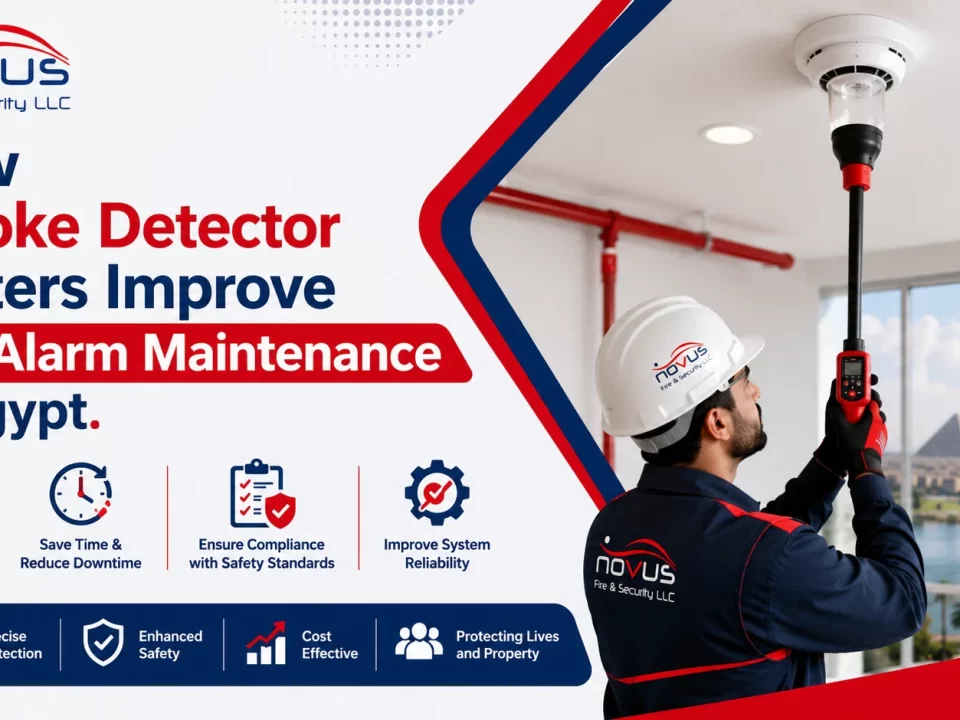
Modern smoke detector testing equipment is designed to simulate real smoke conditions safely and efficiently. Instead of exposing detectors to harmful substances or uncontrolled smoke sources, professionals use specialized aerosol dispensers, smoke simulation tools, and testing poles.
Key Benefits Include:
Accurate Functional Testing
The equipment checks whether the detector responds properly to simulated smoke conditions.
Faster Inspection Process
Large buildings often contain hundreds of detectors. Professional tools reduce testing time significantly.
Reduced Risk to Technicians
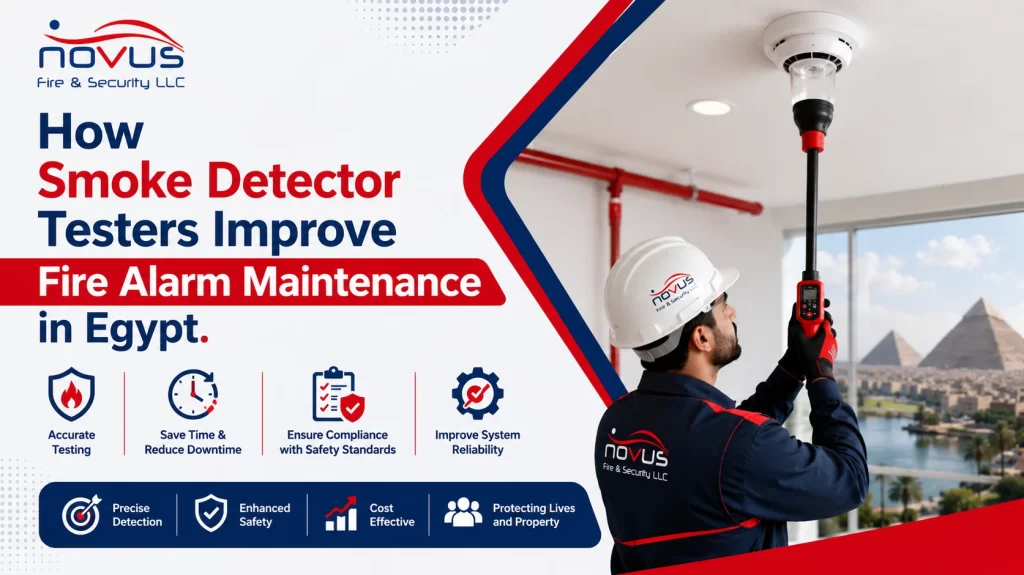
Extendable testing poles eliminate the need for risky ladder work in high-ceiling environments.
Minimized False Alarms
Proper testing helps identify faulty detectors before they trigger unnecessary alarms.
Better Documentation
Many modern testing systems support digital inspection reporting for compliance records. In airports, hospitals, shopping malls, and industrial facilities, efficient detector testing is necessary to maintain uninterrupted safety operations.
The Importance of Heat Detector Testing Equipment
Heat detectors are commonly used in kitchens, factories, warehouses, parking areas, and environments where smoke detectors may trigger false alarms. Unlike smoke detectors, these devices respond to temperature changes. Reliable heat detector testing equipment helps inspectors verify whether heat sensors activate at the correct temperature threshold.
Common Advantages of Heat Detector Testing Tools
- Controlled heat simulation
- Safe testing without open flames
- Quick detector activation checks
- Compatibility with multiple detector brands
- Reduced maintenance downtime
Using improper testing methods can damage sensitive detector components. Professional testing equipment ensures safe and repeatable inspection procedures.
Why Professional Testing Equipment Is Better Than Manual Testing
Older testing methods often involved unsafe practices like using candles, smoke paper, or uncontrolled heat sources. These approaches create inconsistent results and may permanently damage fire detection systems. Modern Professional smoke heat testing equipment is specifically engineered for fire safety inspections and offers several advantages.
Consistent Testing Results
Professional equipment delivers controlled smoke or heat output, ensuring accurate detector response evaluation every time.
Compliance Support
International regulations increasingly require approved testing tools instead of improvised methods.
Improved Technician Efficiency
Lightweight poles, cordless operation, and quick activation systems help technicians complete inspections faster.
Reduced Building Disruption
Efficient testing minimizes interruptions in offices, hotels, hospitals, and public facilities.
Industries That Depend on Smoke & Heat Testing Equipment
Nearly every commercial and industrial sector depends on reliable detector testing systems.
Commercial Buildings
Commercial buildings require regular smoke and heat detector inspections to protect employees, visitors, sensitive equipment, and business operations while ensuring compliance with international fire safety standards and local building regulations.
Healthcare Facilities
Healthcare facilities depend on reliable fire detection systems to protect patients, medical staff, critical equipment, and emergency services where continuous safety monitoring and rapid detector response are extremely important.
Manufacturing Plants
Manufacturing plants operate in high-risk environments with machinery, dust, chemicals, and heat, making routine smoke and heat detector testing essential for maintaining worker safety and operational continuity.
Hospitality Industry
Hotels and hospitality properties must maintain properly functioning fire alarm systems to protect guests, staff, and property while meeting strict safety regulations and reducing emergency response risks.
Warehouses and Logistics Centers
Features to Look for in Certified Smoke and Heat Testing Equipment
Choosing the right testing tools directly impacts inspection quality and compliance performance.
Detector Compatibility
Modern testing equipment should support multiple smoke and heat detector brands and models, helping technicians perform accurate inspections efficiently without needing separate tools for different detection systems.
Safe Testing Technology
Advanced testing technology safely simulates smoke or heat conditions without damaging sensitive detector components, ensuring reliable performance checks while maintaining long-term detector functionality and system reliability.
Telescopic Access Systems
Telescopic access poles help technicians safely test ceiling-mounted detectors in high areas without excessive ladder use, improving inspection speed, workplace safety, and overall maintenance efficiency.
Lightweight Design
Lightweight testing equipment reduces technician fatigue during large inspection projects, making routine detector testing more comfortable, efficient, and practical across commercial and industrial environments.
Compliance Certification
Certified testing equipment helps organizations meet international fire safety regulations and inspection standards while ensuring accurate detector testing procedures and proper compliance documentation during audits.
Fast Activation
How Regular Testing Helps Avoid Major Risks
Skipping detector testing creates serious consequences for businesses and property owners.
Increased Fire Risk
Untested or faulty smoke and heat detectors may fail during emergencies, increasing the risk of fire spreading quickly and causing serious damage to people, property, and business operations.
Insurance Problems
Many insurance providers require documented fire alarm inspections and detector testing records, and failure to maintain compliance may lead to claim rejection or higher insurance costs.
Legal Penalties
Ignoring fire safety regulations can result in fines, compliance violations, legal liabilities, or operational restrictions, especially in commercial, industrial, healthcare, and public-use buildings.
Business Downtime
Upgrade to Certified Smoke & Heat Testing Equipment
The Role of Technology in Modern Detector Testing
Fire safety technology continues evolving rapidly. Today’s advanced testing systems provide more accuracy, efficiency, and digital integration than traditional inspection methods.
Modern testing tools now offer the following:
- Cordless operation
- Faster detector activation
- Smart inspection tracking
- Digital reporting systems
- Multi-detector compatibility
- Improved battery efficiency
These innovations allow fire safety professionals to complete inspections more effectively while maintaining strict compliance standards. Novus Fire and Security LLC provides advanced solutions that support professional fire safety inspections across various industries and building environments.
Best Practices for Fire Detector Testing
To maintain compliance and system reliability, organizations should follow structured inspection practices.
Schedule Regular Inspections
Regular smoke and heat detector inspections help identify system issues early, maintain reliable fire protection performance, and ensure compliance with international fire safety regulations and building standards.
Use Certified Equipment
Using certified testing equipment ensures accurate detector performance checks while supporting safe inspection procedures and meeting required fire safety compliance and industry-approved testing standards.
Maintain Inspection Records
Proper inspection records help organizations track maintenance history, support compliance audits, simplify insurance verification, and demonstrate that fire detection systems are regularly tested and maintained.
Train Technicians Properly
Well-trained technicians perform accurate smoke and heat detector testing safely and efficiently, helping reduce inspection errors while ensuring reliable fire alarm system performance across all environments.
Replace Faulty Detectors Quickly
Conclusion
Fire safety compliance is not just about installing detectors it is about ensuring they perform correctly when lives depend on them. Reliable Smoke & Heat Testing Equipment helps businesses maintain accurate fire detection systems while meeting international safety standards and inspection requirements. From commercial buildings to industrial facilities, professional testing tools improve inspection accuracy, reduce safety risks, and support long-term system reliability.
Whether using advanced Smoke detector testing equipment or specialized Heat detector testing equipment, proper testing procedures are essential for protecting people, property, and operations. Organizations that invest in high-quality and Certified smoke and heat testing equipment are better prepared to meet regulatory standards, reduce false alarms, and maintain dependable fire protection systems for years to come.
FAQs
Q1. Why is Smoke & Heat Testing Equipment important?
A1. It helps verify whether smoke and heat detectors respond correctly during emergencies, ensuring reliable fire protection and compliance with international safety standards.
Q2. How often should smoke and heat detectors be tested?
A2. Testing schedules vary by regulation, but most international standards recommend routine inspections throughout the year.
Q3. What is the advantage of professional smoke heat testing equipment?
A3. Professional equipment provides safer, faster, and more accurate detector testing compared to manual or outdated methods.
Q3. Can smoke detector testing equipment damage detectors?
A3. Certified testing equipment is designed to safely simulate smoke conditions without harming detector components.
Q4. Why do businesses use certified smoke and heat testing equipment?
A4. Certified tools help maintain compliance, improve testing accuracy, reduce false alarms, and support proper fire safety documentation.