
Top Technologies Used in Fire Alarm Testing Services in KSA
May 1, 2026
How Smoke & Heat Testing Equipment Helps Meet International Safety Standards
May 8, 2026
Fire alarm systems aren’t just another checklist item in Saudi Arabia they’re tightly regulated safety systems that must perform flawlessly when it matters most. Whether you manage a commercial tower in Riyadh or an industrial facility in Dammam, compliance testing isn’t optional. It’s a responsibility.
One of the most trusted tools for this job is the Solo 365 Smoke Detector Tester in KSA. Designed for efficiency, accuracy, and safety, it allows technicians to simulate real smoke conditions without damaging detectors or triggering unnecessary disruptions. This guide walks you through a practical, step-by-step approach to compliance testing using Solo 365, based on how professionals actually operate in the field not just theory.
Why Compliance Testing Matters in Saudi Arabia
In Saudi Arabia, fire safety regulations are enforced by authorities like the Civil Defense. Regular testing ensures:
- Early detection systems function correctly
- Insurance and compliance requirements are met
- Occupants remain protected in case of emergencies
Skipping or poorly executing tests can lead to fines, system failures, or worse real safety risks.
What is the Solo 365 Smoke Detector Tester?
The Solo 365 Smoke Detector Tester is a specialized aerosol-based testing tool used to simulate smoke inside detectors. Unlike older testing methods, it delivers controlled smoke particles that closely mimic real fire conditions.
Technicians prefer it because:
- It’s clean and residue-free
- Safe for sensitive detectors
- Quick to use in high-rise or large facilities
- Compatible with most modern smoke detectors
Tools & Preparation Before Testing
Before starting compliance testing, gather the right tools:
- Solo 365 smoke detector tester aerosol
- Telescopic access poles
- Detector removal tools (if required)
- PPE (helmet, gloves, safety glasses)
- Maintenance logbook or digital inspection system
Make sure the fire alarm panel is either monitored or temporarily isolated to prevent false alarms during testing.
Step-by-Step Compliance Testing Process
1. Notify Relevant Personnel
Inform building management, security teams, and occupants before testing begins. This prevents panic if alarms are triggered.
2. Isolate the Fire Alarm System (If Required)
Depending on site protocols, isolate zones or set the system to test mode. This ensures alarms don’t trigger emergency responses unnecessarily.
3. Access the Detector Safely
Use telescopic poles to reach ceiling-mounted detectors. Avoid using ladders in high-risk areas unless absolutely necessary.
4. Apply the Smoke Aerosol
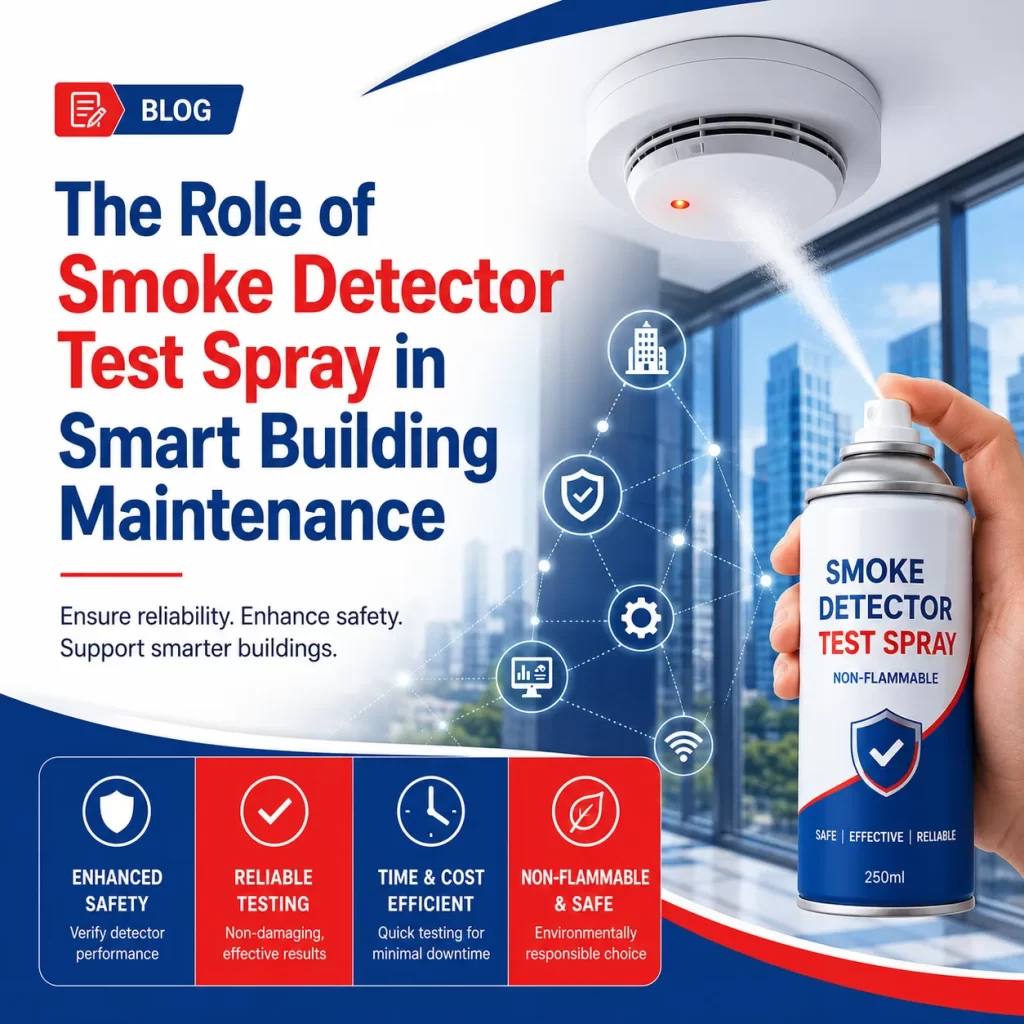
Hold the Solo tester cup over the detector and release a short burst of aerosol. The smoke detector tester aerosol Saudi Arabia standards require controlled application avoid overuse.
5. Verify Detector Response
A properly functioning detector should:
- Trigger within seconds
- Send a signal to the fire alarm panel
- Activate alarms or indicators
If there’s a delay or no response, the detector may need cleaning, recalibration, or replacement.
6. Reset the Detector
Once tested, reset the system using the control panel or manually if needed. Ensure it returns to normal operation.
7. Record the Results
Document everything:
- Detector ID and location
- Test results
- Any faults or delays
- Corrective actions taken
Accurate documentation is critical for compliance audits.
8. Repeat for All Detectors
Continue the process across all zones. Large facilities may require phased testing schedules.
Common Mistakes to Avoid
Even experienced technicians sometimes overlook small details that can affect compliance:
- Overusing aerosol, causing detector contamination
- Skipping documentation
- Not resetting detectors properly
- Ignoring delayed responses
- Failing to notify building occupants
Consistency is what separates compliant systems from risky ones.
Best Practices for Efficient Testing
To improve speed and accuracy:
- Use a structured testing checklist
- Train technicians on proper aerosol usage
- Schedule testing during low-occupancy hours
- Maintain your testing equipment regularly
Professionals using a solo smoke detector tester in KSA often complete large-scale inspections faster while maintaining precision.
Why Professionals Prefer Solo Testing Equipment
Technicians across Saudi Arabia rely on Solo systems because they offer:
- Reliable simulation of real smoke conditions
- Reduced false positives
- Minimal damage to detectors
- Faster testing cycles
When used correctly, a solo detector tester in Saudi Arabia significantly improves inspection efficiency and compliance accuracy.
Compliance Standards in KSA You Should Know
While regulations may vary slightly by region, most compliance testing aligns with:
- Saudi Civil Defense guidelines
- NFPA standards (commonly referenced)
- Manufacturer-specific recommendations
Always cross-check your testing procedures with the latest local regulations.
Real-World Insight: What Technicians Actually Do
In practice, technicians rarely follow a “perfect” checklist. Instead, they adapt based on:
- Building layout
- Detector types
- Accessibility challenges
- Operational constraints
For example, in large malls, testing is often done in phases overnight to avoid disruption. In industrial zones, coordination with safety officers is essential.
This is where experience matters not just tools.
Choosing the Right Testing Partner
If you’re outsourcing fire alarm testing, choose a provider that understands both compliance and real-world execution. A trusted name like Novus Fire and Security LLC brings field expertise, certified technicians, and proper documentation practices ensuring your systems are not just tested, but truly compliant.
Maintenance After Testing
Testing is only part of the process. After inspections:
- Clean detectors if required
- Replace faulty units immediately
- Update maintenance logs
- Schedule the next inspection cycle
Working with experts such as Novus Fire and Security LLC helps ensure nothing slips through the cracks.