Step-by-Step Guide to Testing Smoke & Heat Detectors with SOLO and Testifire
April 29, 2026
Step-by-Step Compliance Testing Using Solo 365 Smoke Detector Tester in KSA
May 5, 2026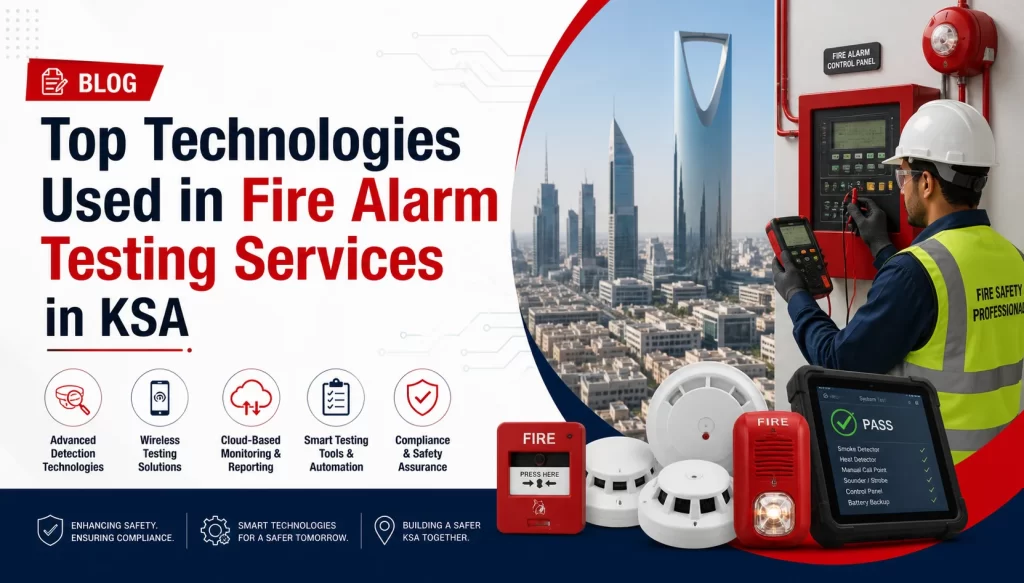
Fire safety isn’t just a checkbox in Saudi Arabia it’s a strict compliance requirement backed by real inspections and real consequences. If you’ve ever been through a Civil Defense audit, you already know how detailed the process can get. That’s exactly why Fire Alarm Testing Services in KSA have evolved far beyond manual bell checks and basic detector inspections.
Today, modern Fire Alarm Testing relies on smart tools, automation, and data-backed reporting to ensure every system works exactly when it matters. This guide breaks down the technologies actually being used on the ground what they do, why they matter, and how they help businesses stay compliant and safe.
Why Technology Matters in Fire Alarm Testing in Saudi Arabia
Fire alarm systems are getting more complex integrated panels, addressable detectors, remote monitoring, and intelligent alerts. Testing these systems manually is not only time-consuming but also prone to human error.
That’s where technology steps in.
With advanced tools, fire alarm system testing in Saudi Arabia becomes the following:
- Faster (reduced inspection time)
- More accurate (less chance of missed faults)
- Fully documented (essential for compliance audits)
- Safer (minimal disruption to operations)
For businesses dealing with strict regulatory oversight, investing in modern Fire alarm testing in Saudi Arabia is no longer optional—it’s operationally critical.
1. Automated Smoke Detector Testers (Aerosol-Based Systems)
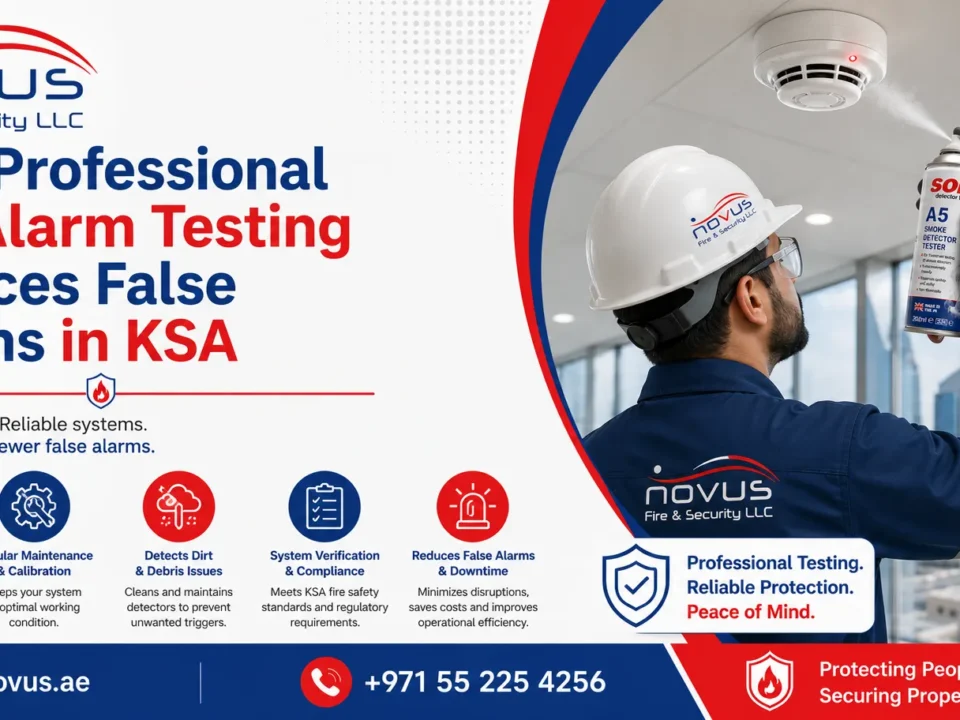
One of the most widely used innovations in smoke alarm testing KSA is automated aerosol-based testing devices.
How it works:
These tools simulate smoke using controlled aerosol particles that trigger detectors without causing contamination or damage.
Why it’s effective:
- Consistent and repeatable results
- Eliminates guesswork
- Safe for sensitive environments like hospitals and data centers
Technicians no longer rely on improvised methods these testers provide standardized validation, especially important during fire alarm system testing in KSA.
2. Wireless Testing and Remote Activation Tools
In large buildings, manually accessing every detector is inefficient. Wireless testing tools allow technicians to trigger alarms remotely.
Key advantages:
- No need for ladders or physical reach in many cases
- Faster testing across multiple zones
- Reduced manpower requirement
This is especially useful in high-rise buildings and industrial facilities across Saudi Arabia where systems are spread across large areas.
3. Addressable System Diagnostic Software
Modern fire alarm panels are “addressable,” meaning each device has a unique ID. Testing these systems requires software tools that can communicate with the control panel.
What these tools do:
- Identify faulty detectors instantly
- Display real-time system health
- Log historical data for analysis
Instead of checking each device manually, technicians can pinpoint issues within seconds making Fire Alarm Testing Services in KSA significantly more efficient.
4. Heat Detector Testing Equipment
Smoke isn’t the only trigger. Heat detectors require specialized tools that simulate temperature rise without damaging the sensor.
Technology used:
- Controlled heat generators
- Temperature-calibrated testing devices
Why it matters:
Heat detectors are often installed in kitchens, warehouses, and industrial zones places where smoke testing alone isn’t enough. Accurate testing ensures complete system reliability.
5. Integrated Testing Platforms (Multi-Detector Testing Systems)
Some modern systems combine smoke, heat, and CO testing in a single device.
Benefits:
- Multi-functional testing reduces equipment load
- Faster inspection cycles
- Consistent testing standards across all detector types
For service providers handling large contracts, these tools streamline operations and improve service quality in fire alarm system testing Saudi Arabia.
6. Cloud-Based Reporting and Digital Compliance Logs
Gone are the days of handwritten reports.
Today, testing results are captured digitally and stored in cloud-based platforms.
What this enables:
- Instant report generation
- Easy sharing with facility managers
- Secure record-keeping for audits
This is crucial when dealing with inspections from Saudi Civil Defense, where documentation plays a major role in approval.
7. IoT-Enabled Fire Alarm Monitoring Systems
Some advanced setups now integrate IoT (Internet of Things) for continuous monitoring.
Features include:
- Real-time alerts
- Remote diagnostics
- Predictive maintenance insights
Instead of waiting for a failure, these systems identify potential issues before they become critical changing the way Fire Alarm Testing is approached.
8. Battery and Power Supply Testing Tools
A fire alarm system is only as reliable as its power source.
Specialized tools are used to:
- Test backup batteries
- Simulate power failures
- Ensure uninterrupted system operation
This is often overlooked but plays a critical role in compliance during fire alarm testing in Saudi Arabia.
9. Sound Level and Notification Device Testing
It’s not enough for alarms to trigger they must be heard.
Tools used:
- Decibel meters
- Sound distribution analyzers
These ensure that alarm signals meet required sound levels across different areas, including noisy industrial environments.
10. Fire Alarm Loop Testing Devices
Loop testing tools verify communication between detectors and control panels.
Why it’s important:
- Detects wiring faults
- Ensures signal integrity
- Prevents system failures during emergencies
For large-scale facilities, this is a critical part of Fire Alarm Testing Services in KSA.
Real-World Impact of These Technologies
When these technologies are used together, the difference is clear:
- Testing time can be reduced by up to 40–60%
- Fault detection becomes highly accurate
- Compliance documentation is audit-ready
- Downtime for businesses is minimized
Companies like Novus Fire and Security LLC are already leveraging such tools to deliver faster, more reliable testing services without disrupting daily operations.
How to Choose a Technology-Driven Fire Alarm Testing Provider
Not all service providers use modern tools. When selecting a company, look for:
- Use of automated and digital testing equipment
- Ability to provide cloud-based reports
- Experience with large-scale or complex systems
- Compliance knowledge aligned with Saudi regulations
A provider relying only on manual checks may miss critical issues that advanced tools can easily detect.
Get a Free Fire Alarm System Inspection Quote
Common Mistakes Businesses Still Make
Even with technology available, some businesses still fall short due to:
- Delaying scheduled testing
- Using untrained technicians
- Ignoring documentation requirements
- Choosing low-cost providers without proper tools
These mistakes often surface during inspections when it’s already too late.
Final Thoughts
Fire alarm testing has come a long way from basic manual inspections. With the right technology, Fire Alarm Testing Services in KSA are now faster, smarter, and far more reliable. For businesses in Saudi Arabia, this isn’t just about safety it’s about staying compliant, avoiding penalties, and ensuring systems work when lives depend on them. If your current testing process still feels outdated, it might be time to rethink your approach. Working with experienced providers like Novus Fire and Security LLC ensures you’re not just meeting standards but staying ahead of them.
FAQs
Q1. How often should Fire Alarm Testing be done in Saudi Arabia?
A1. Most systems require periodic testing—monthly, quarterly, and annually depending on the type of building and regulations.
Q2. What technologies are used in Fire Alarm Testing Services in KSA?
A2. Modern services use aerosol smoke testers, wireless tools, diagnostic software, and cloud-based reporting systems.
Q3. Is smoke alarm testing KSA different from heat detector testing?
A3. Yes. Smoke detectors use aerosol simulation, while heat detectors require temperature-based testing tools.
Q4. Why is documentation important in fire alarm system testing Saudi Arabia?
A4. Inspection authorities require proof of testing, and digital reports make compliance easier and faster.
Q5. Can advanced tools reduce testing time?
A5. Absolutely. Automated and wireless tools significantly speed up the process while improving accuracy.